
NYC Emergency Rooms Face Overcrowding Crisis Amid Rising Demand
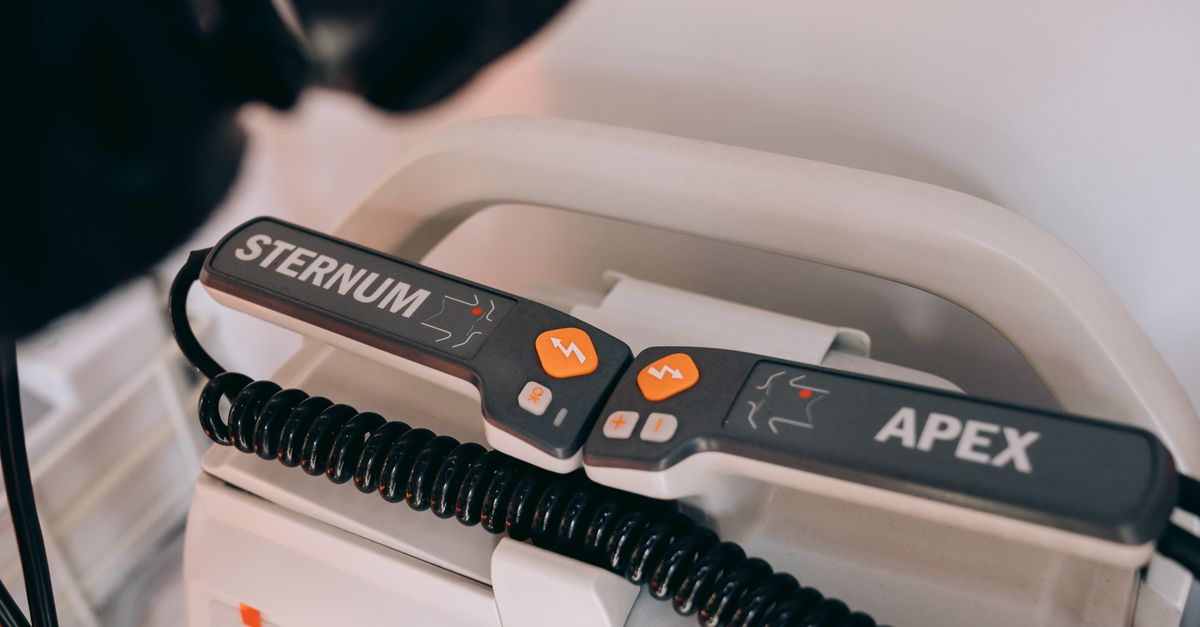
New York City hospitals struggle with overcrowding in emergency departments as patient numbers soar and resources thin.
On a typical busy night, New York City’s emergency departments become a microcosm of a larger healthcare dilemma: too many patients and not enough space. The city’s hospitals are grappling with a surge in emergency room visits, a challenge that has been exacerbated by a combination of factors including an aging population, a rise in chronic illnesses, and the persistent fallout from the COVID-19 pandemic.
Why New York City Faces Unique Challenges
The sheer density of New York City, home to over 8 million residents, is a significant factor in the overcrowding of its emergency departments (EDs). Unlike many other cities, New York’s population includes a high percentage of individuals without regular access to primary care. This leads to a greater reliance on emergency services for non-emergent issues, further straining resources.
According to the New York City Department of Health, there were over 3 million emergency room visits in the city in 2022 alone. Many of these visits are for conditions that could be treated in outpatient settings, but patients often choose the ER due to barriers like lack of insurance, limited clinic hours, and the immediate availability of care.
The Impact on Patient Care and Hospital Resources
Overcrowding in emergency departments not only leads to longer wait times but also affects the quality of care. Patients in need of urgent attention may experience delays, and the high stress on medical staff can lead to burnout. Dr. Susan Kaplan, an ER physician at one of Manhattan’s busiest hospitals, notes, “We’re seeing a significant increase in the volume of patients, and it’s challenging to maintain the standard of care we strive for when resources are stretched thin.”
Hospitals are forced to manage this influx with limited resources. The strain often results in the diversion of ambulances to other facilities, a practice known as 'ambulance diversion', which can delay treatment and lead to worse outcomes for patients in critical condition. Furthermore, overcrowded conditions can increase the risk of medical errors, infections, and overall patient dissatisfaction.
Strategies and Solutions Under Consideration
In response to this crisis, several strategies are being explored to alleviate the pressure on emergency departments. One approach is the implementation of improved triage systems to better prioritize patients based on the severity of their conditions. Additionally, some hospitals are investing in urgent care centers and telehealth services as alternatives for non-critical cases.
The New York City Health + Hospitals Corporation has also initiated programs aimed at directing patients to appropriate care settings. This includes education campaigns about the appropriate use of emergency services and expanding access to primary care clinics in underserved areas.
Looking Ahead: Can Technology Provide Relief?
As the healthcare landscape evolves, technology is being increasingly viewed as a potential solution to the overcrowding problem. Digital health platforms that enable virtual consultations have gained traction, offering a way to reduce unnecessary ER visits. The use of predictive analytics to forecast patient surges could also help hospitals allocate resources more efficiently.
However, while technology holds promise, it is not a panacea. The underlying systemic issues, such as healthcare access and socio-economic disparities, need to be addressed concurrently to achieve long-term improvements.
The challenges faced by New York City's emergency departments underscore a critical need for comprehensive healthcare reform. As hospitals continue to innovate and adapt, the hope remains that these efforts will lead to a more sustainable model of emergency care, benefiting both patients and healthcare providers.