
NLP for clinical documentation improvement
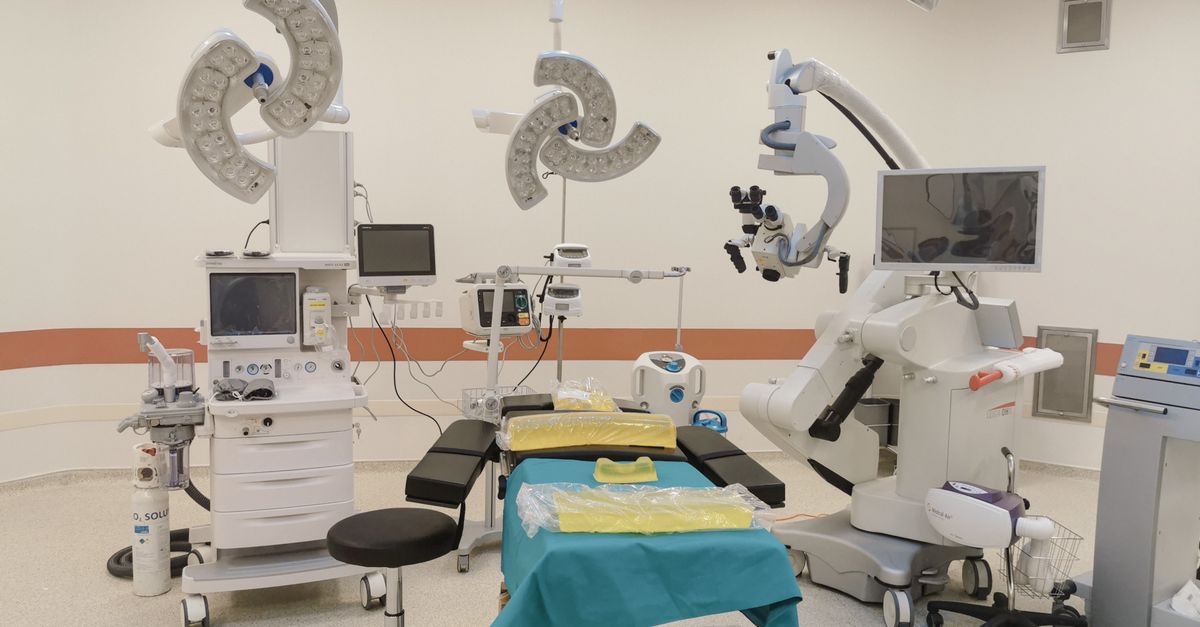
NLP enhances accuracy in clinical documentation, improving care.
In the ever-evolving landscape of healthcare, the importance of accurate and efficient clinical documentation cannot be overstated. As medical professionals face an increasing burden of paperwork, Natural Language Processing (NLP) technology has emerged as a promising solution for improving clinical documentation. By leveraging machine learning and linguistic algorithms, NLP can streamline the process of capturing and analyzing patient data, ultimately enhancing the quality of care. This article delves into how NLP is transforming clinical documentation and its subsequent impact on healthcare efficiency and accuracy.
Enhancing Clinical Documentation with NLP Technology
NLP technology utilizes artificial intelligence to interpret, analyze, and generate human language in a way that is meaningful and useful in clinical settings. Traditional documentation methods often involve extensive manual input, which not only consumes valuable time but can also lead to errors and inconsistencies. By automating the extraction of information from unstructured clinical notes, NLP significantly reduces the documentation burden on healthcare providers. This technology can identify critical data points like symptoms, diagnoses, and treatment plans, allowing for more streamlined record-keeping.
Moreover, NLP can enhance the accuracy of medical coding and billing processes. Accurate coding is essential for reimbursement and compliance with regulations, yet it often presents a challenge due to the complexity of medical language. NLP tools can assist coders by flagging relevant terms and suggesting appropriate codes based on context, thereby minimizing human error and increasing the speed of the coding process. This not only improves the quality of documentation but also ensures that healthcare institutions receive timely and accurate payments for services rendered.
In addition, NLP can facilitate better communication among healthcare teams. With the capability to extract and summarize key clinical information, this technology can provide a cohesive view of a patient’s medical history, enabling more informed decision-making. As a result, healthcare providers can engage in more effective interdisciplinary collaboration, which can lead to improved patient outcomes. By harnessing the power of NLP, organizations can create a more cohesive healthcare delivery model, ensuring that every patient receives high-quality care.
The Impact of NLP on Healthcare Efficiency and Accuracy
The integration of NLP into clinical documentation processes has shown promising results in terms of improving overall efficiency. Healthcare providers often struggle with time constraints, leading to rushed documentation and potential oversights. By automating many of these tasks, NLP allows clinicians to focus more on patient care rather than administrative duties. This not only helps to alleviate burnout among healthcare professionals but also enhances the overall patient experience.
Furthermore, the accuracy of clinical documentation is critical for patient safety and care continuity. Misinterpretations or omissions in clinical notes can lead to serious consequences, including medical errors. NLP can significantly reduce these risks by ensuring that critical information is captured and readily accessible. By providing real-time insights into patient data, NLP facilitates better decision-making and promotes a more proactive approach to patient management.
Finally, the long-term implications of adopting NLP in clinical documentation are profound. As healthcare continues to embrace digital transformation, the ability to analyze vast amounts of data becomes increasingly important. NLP can leverage historical patient records to identify trends, predict outcomes, and inform clinical guidelines. This data-driven approach not only enhances individual patient care but also contributes to broader public health initiatives, ultimately leading to a more effective healthcare system.
In conclusion, the incorporation of Natural Language Processing technology in clinical documentation represents a significant advancement for the healthcare industry. By streamlining processes, enhancing accuracy, and improving communication among providers, NLP can alleviate some of the administrative burdens faced by medical professionals. As healthcare continues to embrace technological innovations, the role of NLP will likely expand, offering new opportunities for improving patient care and advancing public health initiatives. As always, stakeholders must remain vigilant regarding the ethical implications and ensure that the use of such technologies enhances, rather than compromises, the quality of care.