
NITI Aayog Advocates Electrification of India's Freight Corridors
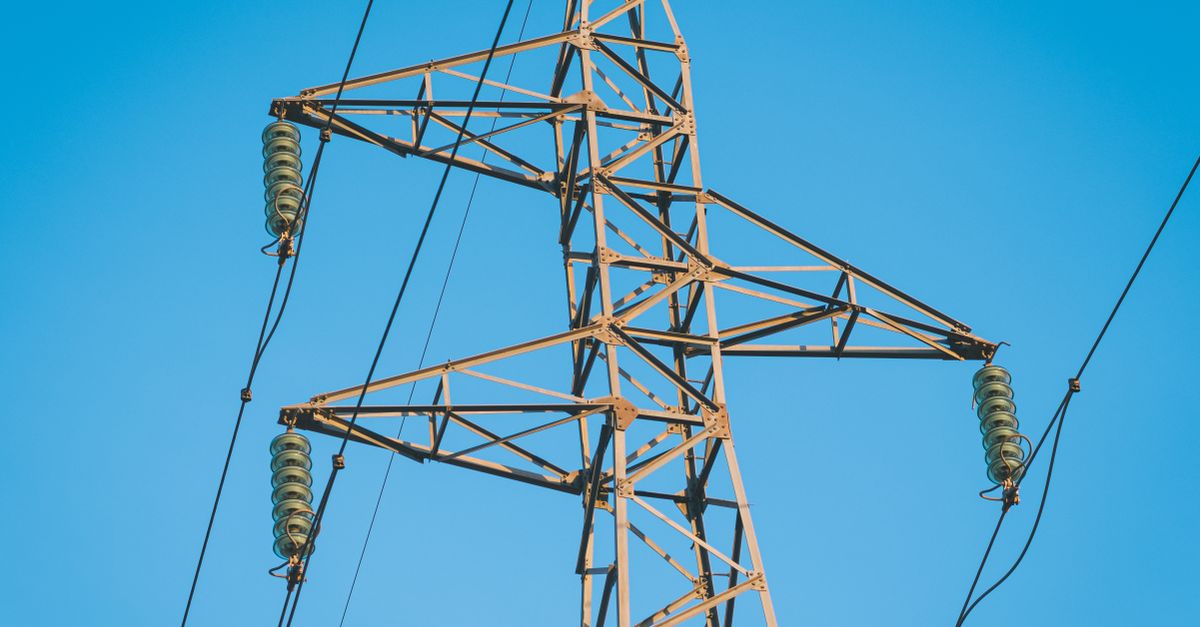
NITI Aayog calls for electrification of key freight corridors to boost efficiency and sustainability in India's transport sector.
NITI Aayog, India's premier policy think tank, has recommended the electrification of the country's key freight corridors to enhance efficiency and sustainability in the transport sector. This strategic move aims to reduce logistics costs and carbon emissions, aligning with India's broader environmental goals.
Electrification to Drive Economic and Environmental Gains
Electrifying freight corridors is expected to significantly cut down on logistics expenses, which currently account for a substantial portion of the overall production cost in India. By transitioning to electric freight systems, the country can reduce dependency on fossil fuels, thereby decreasing greenhouse gas emissions. This aligns with India's commitment to lowering its carbon footprint as part of international climate agreements.
NITI Aayog emphasizes that the electrification initiative will not only streamline freight movement but also contribute to economic growth by improving supply chain efficiencies. The think tank suggests that enhanced infrastructure will attract investment, create jobs, and foster innovation in the logistics sector.
Challenges and Implementation Strategies
Despite the potential benefits, the electrification project faces significant challenges, including the high initial investment costs and the need for substantial infrastructure development. NITI Aayog recommends a phased approach to implementation, prioritizing corridors with high freight traffic and potential for rapid return on investment.
Collaboration between the government, private sector, and international partners is deemed crucial for the success of this initiative. The think tank advocates for public-private partnerships to leverage expertise and resources, ensuring the project is both economically viable and technologically advanced.
Aligning with National and Global Goals
This proposal is in line with India's National Electric Mobility Mission Plan, which aims to achieve significant electrification of the transport sector by 2030. The electrification of freight corridors could serve as a catalyst for broader adoption of electric vehicles across the country, further driving down emissions and fossil fuel consumption.
Globally, countries are increasingly investing in electrified transport networks to meet climate targets. By taking decisive steps towards electrifying its freight corridors, India positions itself as a leader in sustainable transportation solutions in the region.
NITI Aayog's call to action underscores the necessity of strategic infrastructure upgrades to support India's economic ambitions while addressing environmental concerns. The electrification of freight corridors represents a pivotal step in modernizing India's transport sector, promising long-term benefits for the economy and the environment alike.