
New Pediatric Cell and Gene Therapies: Clinical Insights
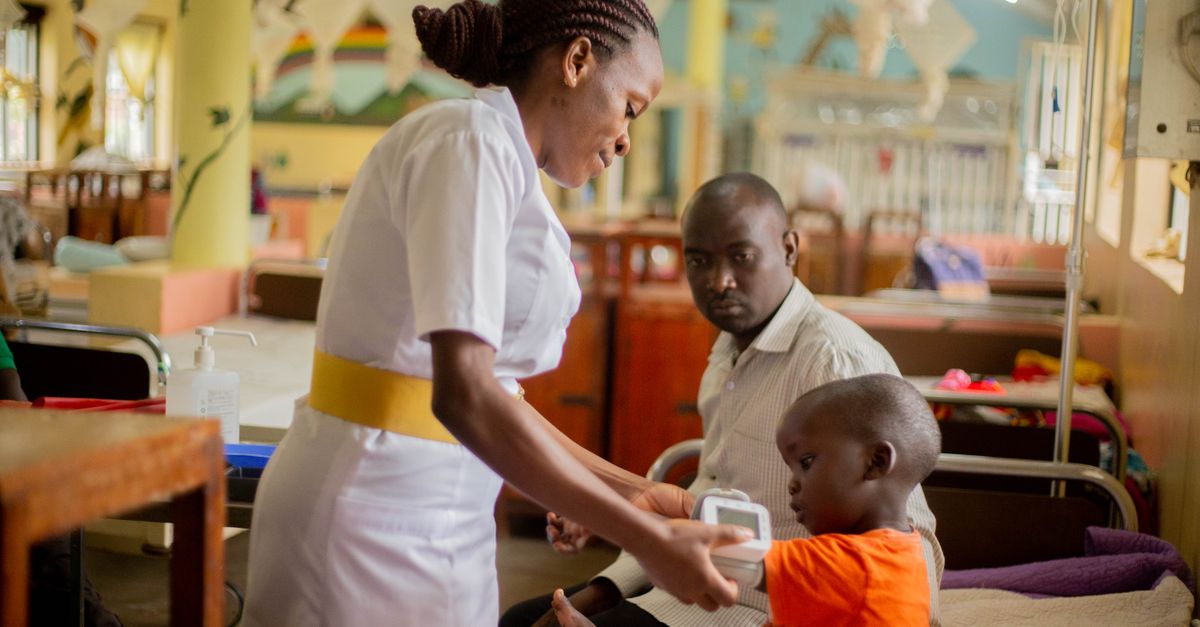
Recent approvals in cell and gene therapies offer new clinical insights for pediatric treatments, enhancing therapeutic options for young patients.
The recent wave of approvals for cell and gene therapies has opened new avenues in pediatric medicine, providing fresh insights into clinical pharmacology. These therapies, which have traditionally been more common in adult treatments, are now being adapted and approved for pediatric use, offering potential breakthroughs for young patients with previously limited options.
FDA Approvals Signal a Shift
The U.S. Food and Drug Administration (FDA) has recently approved several cell and gene therapy treatments specifically designed for pediatric conditions. These include therapies for rare genetic disorders, certain types of cancers, and other chronic conditions that affect children. The shift in focus towards pediatric applications underscores the growing recognition of the unique needs and responses of children to these advanced treatments.
For instance, therapies targeting spinal muscular atrophy and certain congenital eye diseases have shown promising results in clinical trials, leading to their approval. These treatments utilize genetic modification techniques to correct or replace faulty genes, offering a potential cure rather than just symptomatic relief.
Challenges in Pediatric Application
Adapting these therapies for children, however, presents unique challenges. The pharmacokinetics and pharmacodynamics in children can differ significantly from adults, necessitating careful consideration of dosage, administration, and potential side effects. Pediatric patients often require more personalized treatment plans, taking into account their developmental stages and the long-term impacts of such therapies.
Moreover, ethical considerations also play a crucial role. The long-term effects of gene editing in children are not fully understood, and there is a need for rigorous post-approval monitoring to ensure safety and efficacy over time. The involvement of parents and guardians in treatment decisions is crucial, as it balances the potential benefits against the risks.
Future Directions and Research
Looking ahead, ongoing research is expected to expand the range of conditions treatable by these therapies. Scientists are exploring the use of CRISPR and other gene-editing technologies to create more precise and effective treatments. Collaborations between pharmaceutical companies and research institutions aim to refine these therapies further, making them safer and more accessible to pediatric patients.
The integration of artificial intelligence and machine learning in clinical trials is also anticipated to accelerate the development of these therapies. By analyzing large datasets, researchers can identify patterns and predict outcomes, facilitating more efficient and effective clinical trials.
As these therapies continue to evolve, they promise to transform the landscape of pediatric medicine, providing hope for cures to diseases that were once deemed untreatable. The ongoing advancements underscore the importance of continued research and collaboration in bringing these life-changing treatments to the forefront of pediatric care.