
New Model Enhances Early Detection of Oral Cancer via Liquid Biopsy
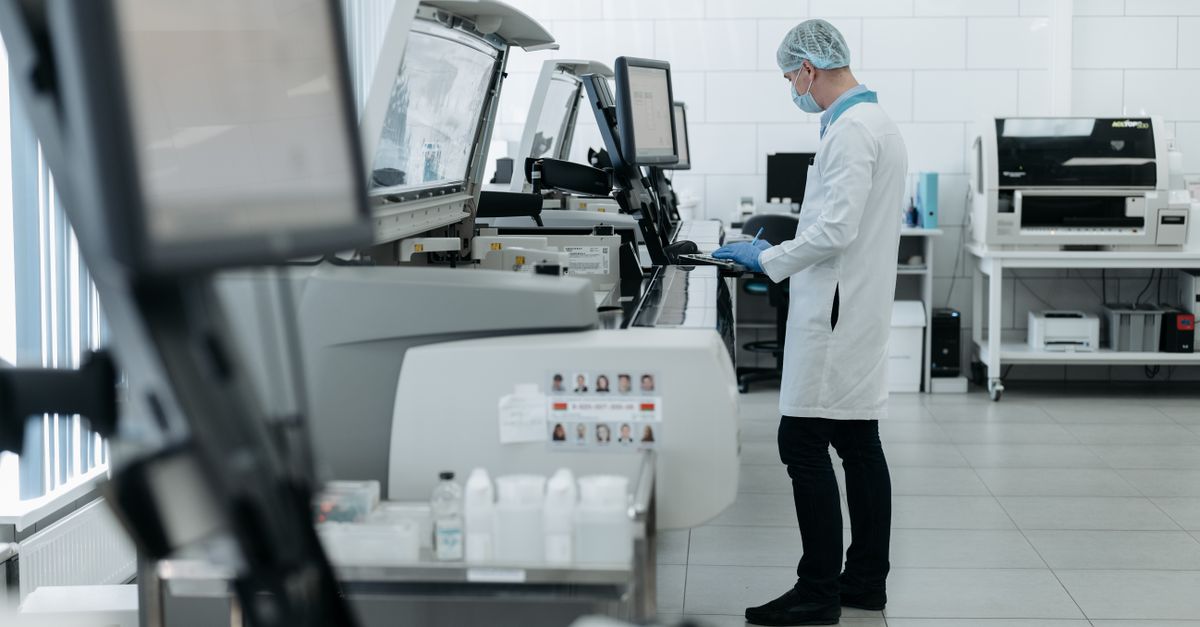
Researchers develop a pAKT-driven microRNA model to improve oral cancer detection through liquid biopsy, offering a less invasive diagnostic method.
A groundbreaking study has unveiled a novel approach to detecting oral squamous cell carcinoma (OSCC) using a pAKT-driven microRNA model. This method, detailed in a recent publication by Cureus, proposes a shift from traditional tissue biopsies to liquid biopsies, potentially transforming early cancer detection.
Understanding the pAKT-microRNA Connection
The research focuses on the protein kinase AKT (pAKT) and its role in cancer cell signaling. Scientists have identified specific microRNAs influenced by pAKT that are present in bodily fluids, such as blood or saliva. These microRNAs serve as biomarkers, providing critical information about the presence and progression of OSCC without the need for invasive surgical procedures.
Advantages of Liquid Biopsy
Liquid biopsy offers a less invasive alternative to traditional methods, reducing patient discomfort and risk of complications. It also allows for more frequent monitoring of disease progression and response to treatment. The use of microRNA as biomarkers enhances the accuracy of these biopsies by detecting cancer-related changes at a molecular level.
Implications for Oral Cancer Detection
Early detection of OSCC significantly improves treatment outcomes. The implementation of a liquid biopsy model could lead to earlier diagnosis, allowing for timely interventions. This advancement not only promises to refine diagnostic practices but also has the potential to be adapted for other cancer types, broadening its impact on oncology.
As researchers continue to validate this model, the integration of liquid biopsy into clinical practice could mark a significant shift in how cancer is diagnosed and monitored, ultimately improving patient care and survival rates.