
New Malaria Test in Ethiopia: A Game-Changer for Diagnosis
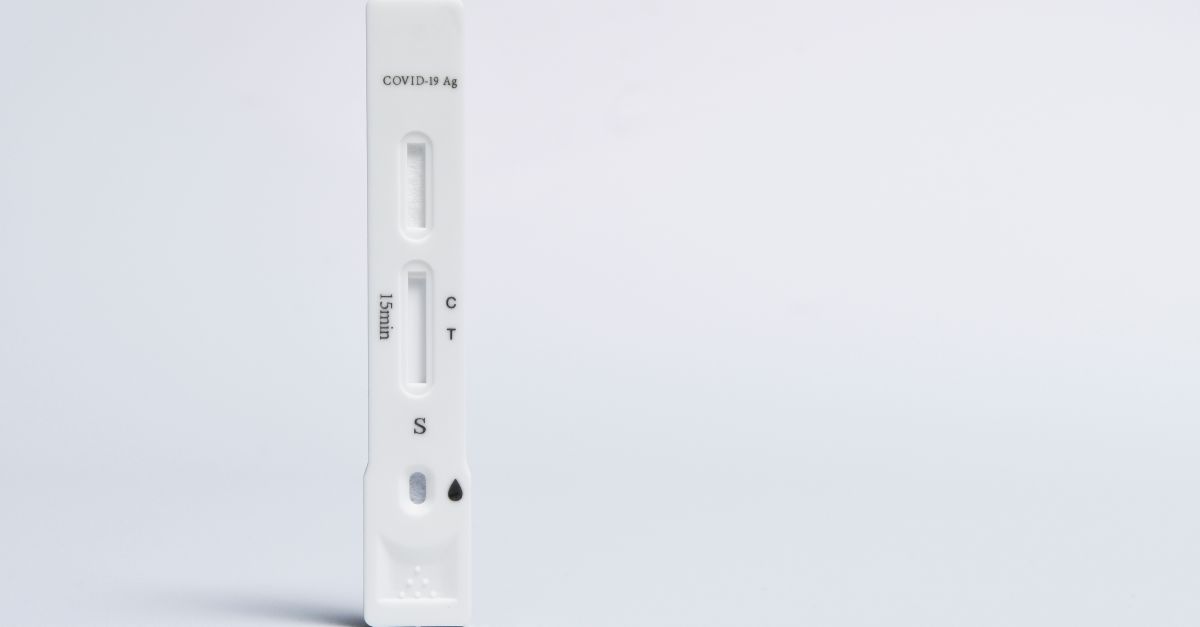
A multi-antigen malaria test shows promise against qPCR and microscopy in Ethiopia.
A recent study published in Nature has revealed promising results for a multi-antigen rapid diagnostic test (RDT) for malaria, offering a new tool in the battle against the disease in Southern Ethiopia. This region, characterized by its co-endemicity of multiple malaria species, poses a significant challenge for accurate diagnosis and treatment.
Study Highlights Diagnostic Challenges
Malaria remains a major public health issue in Southern Ethiopia, where both Plasmodium falciparum and Plasmodium vivax are prevalent. Traditional diagnostic methods like microscopy, although widely used, often suffer from limitations in sensitivity and specificity. Meanwhile, quantitative polymerase chain reaction (qPCR), though highly accurate, is not feasible for widespread use due to its cost and complexity.
The study evaluated the effectiveness of the new RDT against these traditional methods. Researchers aimed to determine if the RDT could provide a reliable, cost-effective alternative for diagnosing malaria in resource-limited settings.
RDT Shows Promising Results
The multi-antigen RDT was tested in various health centers across the region. It demonstrated a sensitivity and specificity comparable to qPCR, which is considered the gold standard for malaria diagnosis. The test's ability to detect both P. falciparum and P. vivax makes it particularly valuable in areas where both species are present.
Researchers noted that the RDT's performance was significantly better than that of traditional microscopy, particularly in detecting lower parasite densities. This could lead to improved patient outcomes by enabling timely and accurate treatment.
Implications for Public Health
The introduction of this RDT could have substantial implications for malaria control in Ethiopia and similar regions. By providing a rapid, reliable diagnostic tool, health workers can make quicker treatment decisions, potentially reducing transmission rates and improving patient survival.
Further studies and pilot programs are recommended to assess the test's performance in real-world settings and to explore its integration into existing healthcare infrastructures. The potential for this RDT to be used widely in endemic regions could mark a significant advancement in global malaria control efforts.