
New Framework Boosts Genomics Expertise in Precision Oncology
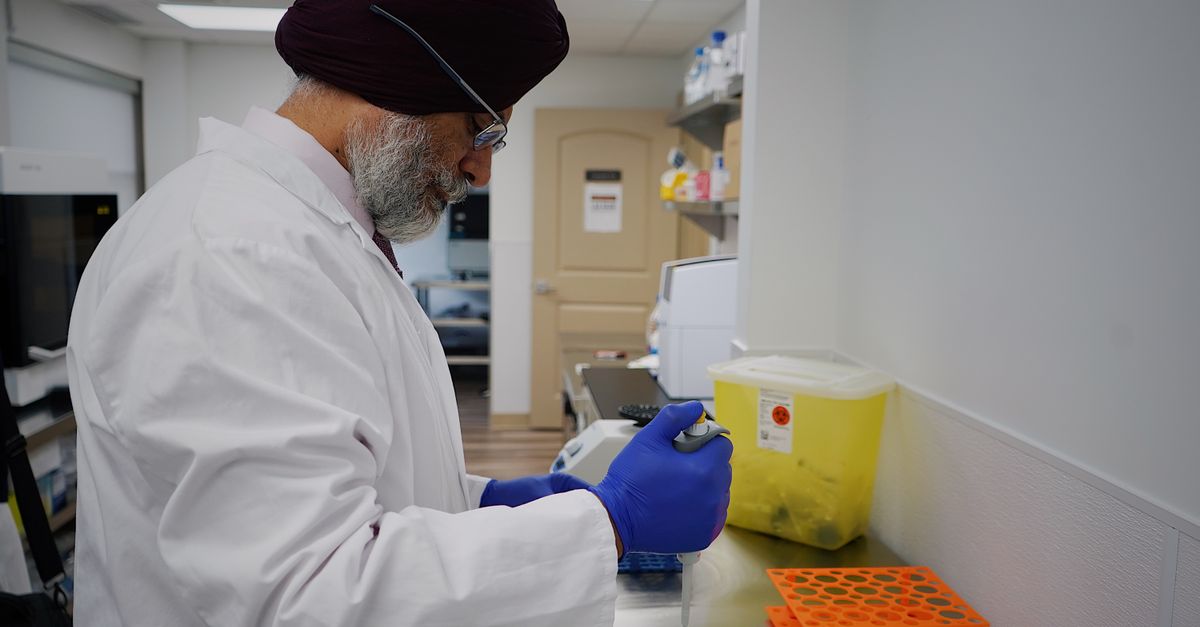
A new framework aims to enhance genomics skills among healthcare workers, crucial for precision oncology.
A newly developed Cancer Genomics Workforce Competency Framework is set to reshape the landscape of precision oncology by equipping healthcare professionals with advanced genomics skills. This initiative, highlighted by the Oncology Nurse Advisor, addresses the growing need for specialized knowledge in genomics to improve cancer treatment outcomes.
Addressing Skill Gaps in Genomic Medicine
The framework aims to fill existing gaps in genomic medicine education, ensuring that healthcare providers are well-versed in the latest genomic technologies and methodologies. As precision oncology becomes increasingly integral to cancer treatment, the demand for trained professionals who can interpret and apply genetic information has surged.
This framework outlines essential competencies for various roles within oncology, from nurses to genetic counselors, emphasizing the application of genomic data in clinical settings. By standardizing these competencies, the framework seeks to create a consistent level of understanding and skill among healthcare workers.
Implications for Patient Care
Integrating genomic insights into patient care has the potential to significantly improve treatment efficacy and patient outcomes. With a workforce proficient in genomics, healthcare teams can tailor treatments to the genetic profiles of individual patients, leading to more personalized and effective interventions.
Moreover, the framework supports the development of educational programs and resources aimed at enhancing the genomic literacy of healthcare providers. This is expected to foster a more informed and confident workforce capable of navigating the complexities of precision oncology.
Future Directions and Challenges
While the framework is a step in the right direction, challenges remain in its implementation. Ensuring widespread adoption across healthcare institutions and integrating these competencies into existing curricula will require concerted efforts from educational bodies and healthcare organizations.
Additionally, continuous updates to the framework will be necessary to keep pace with rapid advancements in genomic technologies. The ongoing collaboration between industry experts, educators, and policymakers will be crucial in maintaining the relevance and effectiveness of the framework in the long term.
Overall, the Cancer Genomics Workforce Competency Framework represents a significant advancement in preparing the healthcare workforce for the future of cancer treatment, promising to enhance the precision and personalization of oncology care.