
Nepal Faces Rising Dengue Cases Amid World Mosquito Day Observance
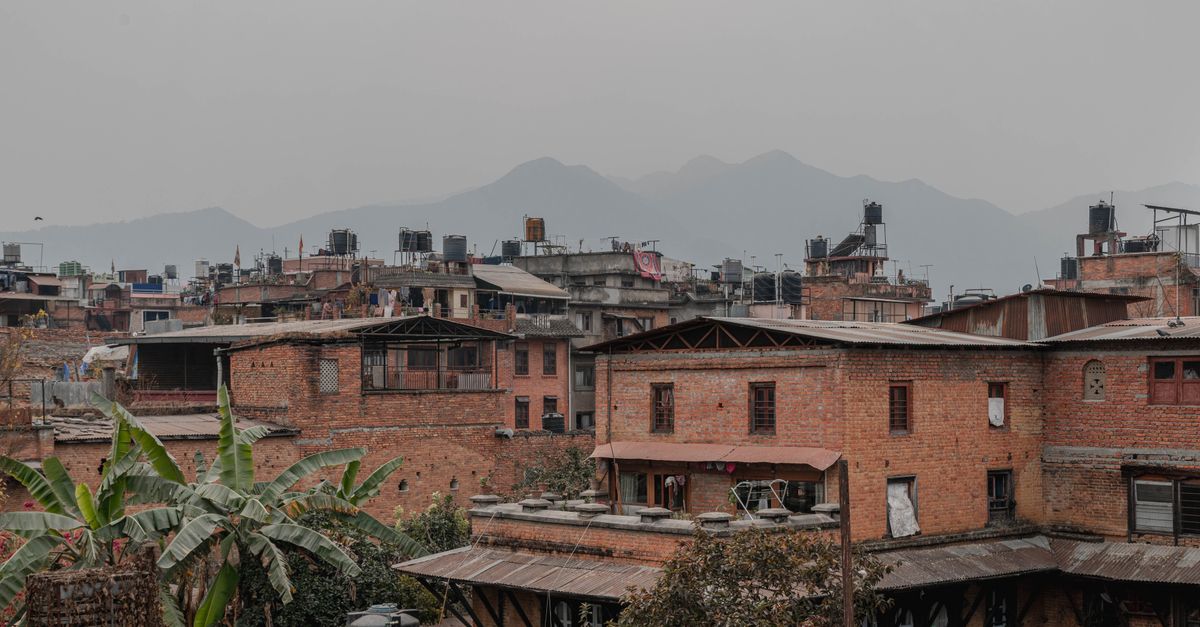
Nepal reports a surge in dengue cases as health officials mark World Mosquito Day with calls for increased prevention efforts.
Nepal is witnessing a concerning increase in dengue fever cases, coinciding with the global observance of World Mosquito Day on August 20. Health authorities are on high alert as the disease, transmitted by the Aedes mosquito, continues to spread across various regions of the country.
Current Situation in Nepal
The rise in dengue cases has prompted the Nepalese government to intensify its public health initiatives. According to local health officials, the outbreak is attributed to the monsoon season, which creates favorable breeding conditions for mosquitoes. The Ministry of Health and Population has reported hundreds of cases, with fears that the numbers may climb further if preventive measures are not effectively implemented.
Efforts are underway to raise awareness among the public about the importance of eliminating mosquito breeding sites and using personal protective measures such as insect repellents and mosquito nets. Healthcare facilities are also being prepared to manage the potential increase in patient numbers.
World Mosquito Day Highlights
World Mosquito Day commemorates Sir Ronald Ross's discovery in 1897 that mosquitoes transmit malaria, marking a significant milestone in medical history. The day is observed to raise awareness about mosquito-borne diseases and the ongoing efforts to combat them globally.
In Nepal, health officials used the occasion to highlight the need for community engagement in mosquito control efforts. Educational campaigns are being conducted to inform citizens about the dangers of stagnant water and the importance of sanitation in preventing mosquito breeding.
Global Context and Historical Significance
Globally, mosquito-borne diseases pose a significant public health challenge. Aside from dengue, mosquitoes are responsible for transmitting diseases such as malaria, Zika, and chikungunya. The impact of these diseases is profound, particularly in tropical and subtropical regions where mosquitoes thrive.
Historically, the discovery of mosquitoes as disease vectors has shaped health policies and urban planning worldwide. Lessons from past outbreaks have informed current strategies to mitigate the spread of these diseases, emphasizing the need for integrated vector management and robust healthcare systems.
In conclusion, as Nepal grapples with rising dengue cases, World Mosquito Day serves as a reminder of the critical need for vigilance and proactive measures. Public cooperation and government initiatives will be vital in controlling the outbreak and protecting public health.