
Navigating Health Challenges in India: Present Realities and Future Paths
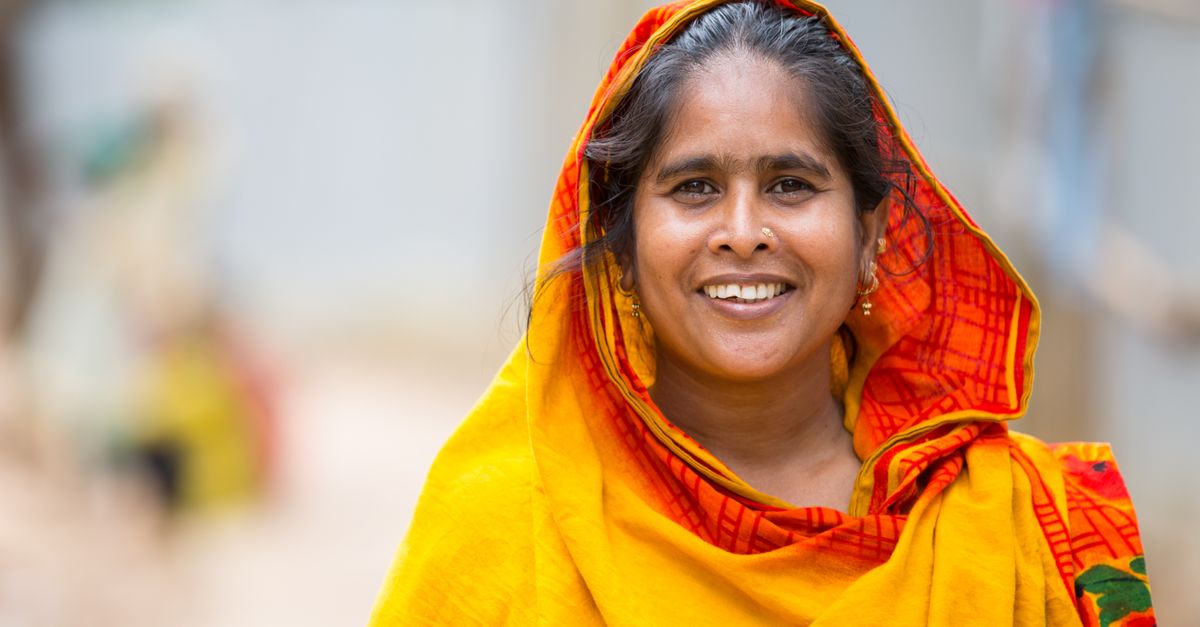
India's healthcare system confronts issues like inequality and infrastructure gaps, demanding urgent reforms and innovation.
India stands at a crossroads when it comes to healthcare. While the country has made strides in certain areas, such as expanding access to essential medicines and increasing health awareness, it still struggles with significant challenges. From infrastructural deficits to the uneven distribution of healthcare resources, the landscape is complex and demands urgent attention.
Disparities in Access to Healthcare
One of the most pressing issues in India's healthcare system is the stark disparity between urban and rural areas. Urban centers boast a higher concentration of hospitals and healthcare professionals, while rural areas often remain underserved. According to the National Health Profile 2022, nearly 70% of India's population resides in rural areas, yet they have access to only about 30% of the country’s hospitals.
This imbalance not only affects immediate healthcare outcomes but also contributes to long-term health disparities. Rural areas face higher infant mortality rates and lower life expectancy compared to their urban counterparts. Bridging this gap requires not only physical infrastructure but also digital solutions that can bring healthcare services to remote areas.
Infrastructure Challenges and Innovations
India's healthcare infrastructure, though expanding, is still insufficient to meet the needs of its vast population. According to the World Health Organization, India has only 0.5 hospital beds per 1,000 people, far below the global average of 2.9. This shortage is exacerbated during health crises, as seen during the COVID-19 pandemic when hospitals struggled to accommodate patients.
To tackle these challenges, innovative solutions are emerging. The Ayushman Bharat scheme, for example, aims to provide free healthcare to over 500 million people, marking a significant step towards universal health coverage. Meanwhile, telemedicine is gaining traction as a way to extend healthcare services to rural and remote areas.
The Role of Technology in Transforming Healthcare
Technology is poised to play a transformative role in addressing India’s healthcare challenges. Initiatives like the National Digital Health Mission aim to create a digital ecosystem that can streamline healthcare delivery and improve patient outcomes. By digitizing health records and enabling teleconsultations, such programs seek to bridge the urban-rural divide.
Moreover, mobile health apps are becoming increasingly popular, offering services ranging from appointment scheduling to remote monitoring of chronic conditions. These innovations can significantly enhance access and efficiency, particularly for the underserved populations.
Addressing Public Health Concerns
India grapples with a dual burden of disease: while communicable diseases like tuberculosis and malaria remain prevalent, non-communicable diseases (NCDs) such as diabetes and heart disease are on the rise. The World Health Organization estimates that NCDs account for 60% of all deaths in India, a figure projected to increase in the coming years.
To combat this, public health initiatives must focus on prevention, early diagnosis, and education. Campaigns promoting healthy lifestyles, combined with regular screenings, can help mitigate the impact of NCDs. Furthermore, investment in research and development is crucial for understanding and tackling both communicable and non-communicable diseases effectively.
Future Directions for Indian Healthcare
Looking ahead, India's healthcare system must evolve to meet the needs of its diverse population. Policymakers need to focus on creating a more equitable system that caters to both urban and rural populations. Strengthening public healthcare infrastructure, harnessing technology, and fostering public-private partnerships will be key elements in this transformation.
As India continues to develop, the health sector's evolution will be crucial for the nation’s overall progress. By addressing current shortcomings and investing in future-ready solutions, India has the potential to set a precedent for other developing nations. The journey is challenging, but the destination—a healthier, more equitable India—is well worth striving for.