
National Programme for Health Care of the Elderly 2026 geriatric clinics
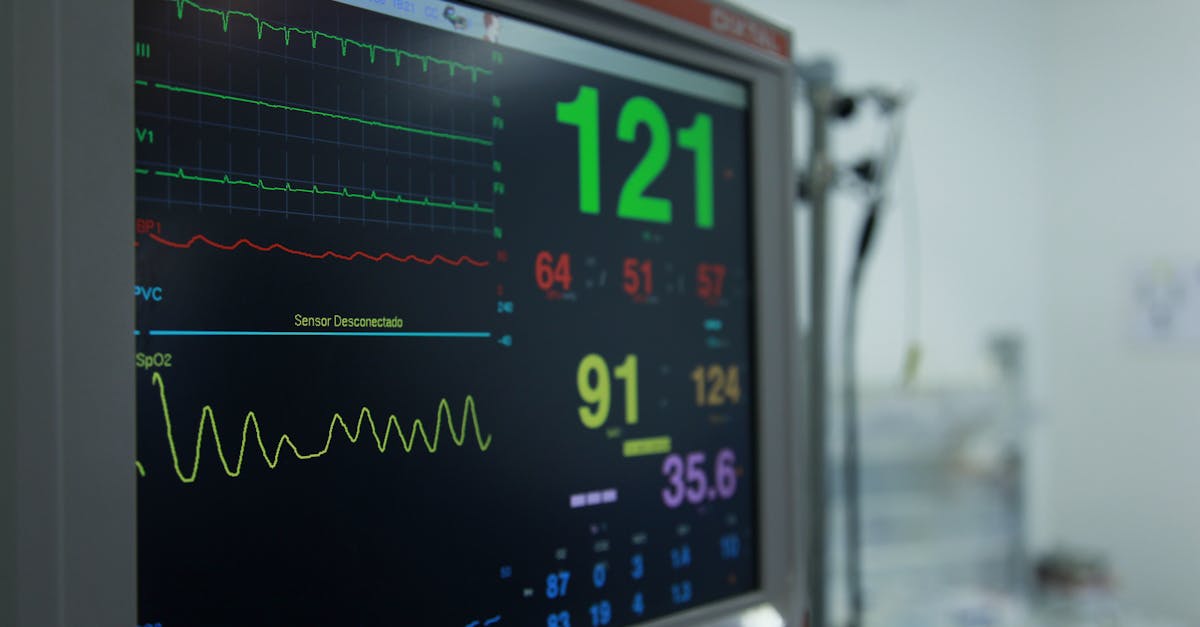
New geriatric clinics aim to enhance elderly healthcare in 2026.
The aging population in India has prompted the government to take significant steps to enhance healthcare services tailored to the elderly. The National Programme for Health Care of the Elderly (NPHCE) 2026 aims to address the unique health challenges faced by senior citizens through the establishment of specialized geriatric clinics. This initiative not only focuses on improving access to healthcare but also aims to promote comprehensive geriatric care across the nation.
Overview of India's National Programme for Elderly Care 2026
The National Programme for Health Care of the Elderly (NPHCE) stands as a vital initiative launched by the Government of India to cater to the growing healthcare needs of the elderly population. With projections indicating that the number of elderly individuals in India will surpass 300 million by 2026, the program aims to create a robust framework for providing effective healthcare services. The NPHCE seeks to enhance access to specialist services, improve the quality of care, and develop infrastructure specifically designed for geriatric patients.
To achieve its objectives, the NPHCE focuses on the establishment of dedicated geriatric clinics across various healthcare facilities. These clinics are designed to provide comprehensive assessments, management of chronic illnesses, and rehabilitation services tailored to the needs of elderly patients. Moreover, the initiative emphasizes training healthcare professionals in geriatric care, ensuring that those who serve the elderly are well-equipped with the necessary skills and knowledge.
The program also aims to create awareness about elderly health issues, advocating for preventive measures and health education. By fostering a culture of preventive care, the NPHCE hopes to reduce the burden of age-related diseases and improve the overall quality of life for senior citizens. This holistic approach is essential in a country where the elderly face numerous health challenges ranging from chronic diseases to mental health issues.
Key Features and Impact of Geriatric Clinics in 2026
One of the defining features of the geriatric clinics under the NPHCE is their multidisciplinary approach to elderly care. These clinics integrate various specialties, including geriatrics, psychiatry, nutrition, and physiotherapy, to offer a comprehensive care package. By addressing multiple health concerns within a single clinical visit, elderly patients benefit from a streamlined process that minimizes the need for multiple consultations.
Moreover, the clinics will utilize modern technology to enhance patient management. Electronic health records and telemedicine services will facilitate better communication between healthcare providers and patients, enabling timely interventions and follow-ups. This technological integration is crucial for elderly patients, who may face mobility challenges or require assistance in accessing healthcare facilities. The focus on technology will not only improve patient outcomes but also optimize healthcare delivery.
The impact of these geriatric clinics is expected to be profound. By providing targeted care and support, the NPHCE aims to empower elderly individuals to lead healthier, more active lives. Increased accessibility to specialized care is anticipated to reduce hospitalizations and emergency visits, thereby alleviating pressure on the healthcare system. As these clinics become operational, they will serve as a model for comprehensive geriatric care, setting a benchmark for similar initiatives across the country.
The National Programme for Health Care of the Elderly 2026 and its emphasis on geriatric clinics represent a significant step forward in addressing the healthcare needs of India's elderly population. By creating specialized services that focus on comprehensive, multidisciplinary care, the initiative aims to improve the quality of life for senior citizens and ensure they receive the attention and support they deserve. As the program unfolds, its success will depend on continuous evaluation and adaptation to meet the evolving needs of the elderly in India.