
National AIDS Control Programme Phase VI 2026 updates
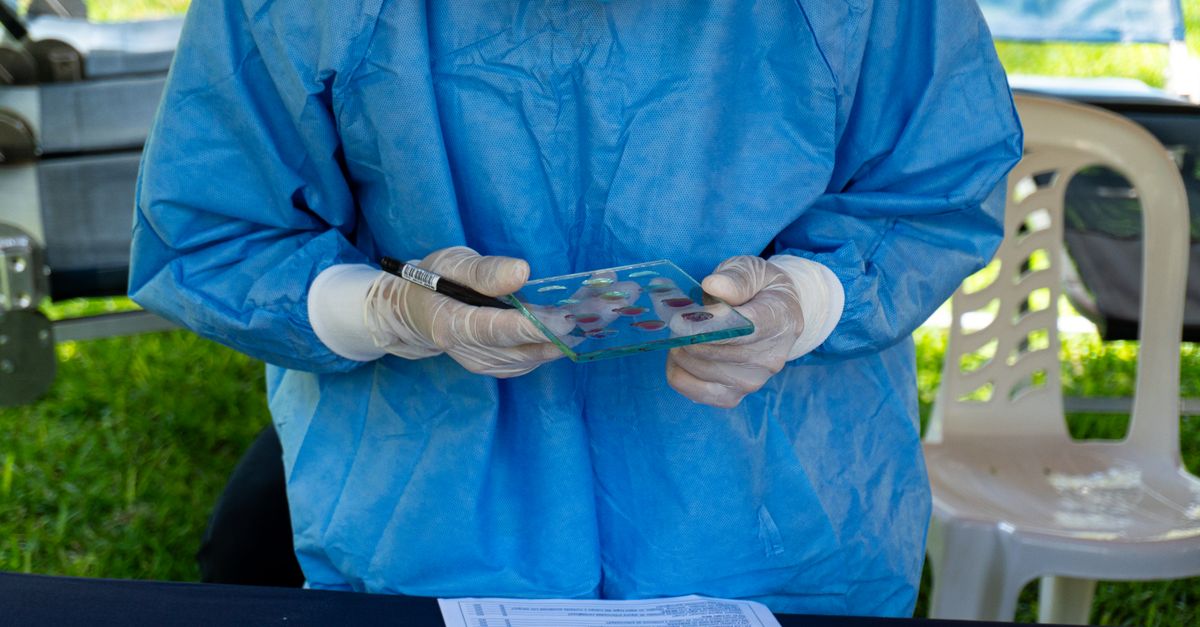
Updates on India's National AIDS Control Programme Phase VI for 2026.
The National AIDS Control Programme (NACP) Phase VI is a pivotal initiative by the Government of India, aimed at combating the HIV/AIDS epidemic in the country. With the recent updates for 2026, the program reflects a strategic evolution in addressing the challenges posed by the disease. This article delves into the key developments of the NACP Phase VI and outlines its goals and strategies for the upcoming years.
Key Developments in the National AIDS Control Programme Phase VI
The National AIDS Control Programme Phase VI, launched in 2021, has seen significant progress as it gears up for 2026. One of the most notable developments is the integration of advanced technology in data collection and management. This initiative aims to enhance the program's efficiency and effectiveness by utilizing real-time data analytics. By doing so, stakeholders can better assess the prevalence of HIV, track individuals undergoing treatment, and tailor interventions accordingly.
Another critical update is the focus on community engagement and awareness. The NACP has ramped up its efforts to involve local communities in awareness campaigns and outreach programs. By fostering partnerships with NGOs and community-based organizations, the program aims to reduce stigma and promote a more supportive environment for individuals living with HIV. This grassroots approach is crucial in enhancing treatment adherence and encouraging voluntary testing.
Moreover, the government has emphasized the importance of research and innovation in the fight against HIV/AIDS. Funding has been allocated to support studies that explore new treatment modalities, preventive measures, and behavioral interventions. The integration of scientific research into the program's framework is expected to lead to more effective strategies, ultimately contributing to the goal of ending the epidemic by 2030.
Goals and Strategies for 2026: A Comprehensive Overview
The primary goal of the National AIDS Control Programme Phase VI is to achieve zero new infections, zero deaths, and zero stigma associated with HIV/AIDS by 2026. To attain this ambitious target, the program has laid out several strategic objectives. One of the foremost strategies is to enhance access to antiretroviral therapy (ART) for all individuals living with HIV. This includes not only ensuring that medications are available but also making them accessible in remote and underserved areas.
In addition to improving ART access, the program is also focusing on integrating HIV services with other health services, such as maternal and child health, tuberculosis, and sexual health. This holistic approach is designed to streamline healthcare delivery, reduce fragmentation, and improve overall health outcomes for individuals at risk of or living with HIV. By providing comprehensive care, the NACP aims to address the complex needs of patients and encourage more individuals to seek necessary health services.
Lastly, the program is set to prioritize education and training for healthcare providers. By equipping medical professionals with the knowledge and tools needed to address HIV/AIDS effectively, the NACP hopes to foster a more informed healthcare environment. This emphasis on capacity building not only enhances the delivery of care but also contributes to a more substantial reduction in stigma and discrimination towards those affected by HIV.
As the National AIDS Control Programme Phase VI moves towards 2026, its updates reflect a commitment to innovative strategies and community-centered approaches. By focusing on enhanced access to treatment, integrating services, and building capacity among healthcare providers, the program aims to make significant strides in the fight against HIV/AIDS. Continued support, awareness, and collaboration will be essential in achieving the ambitious goals set forth in this vital public health initiative.