
Mumbai's High-Risk Malaria Cases Soar 535% Over a Decade
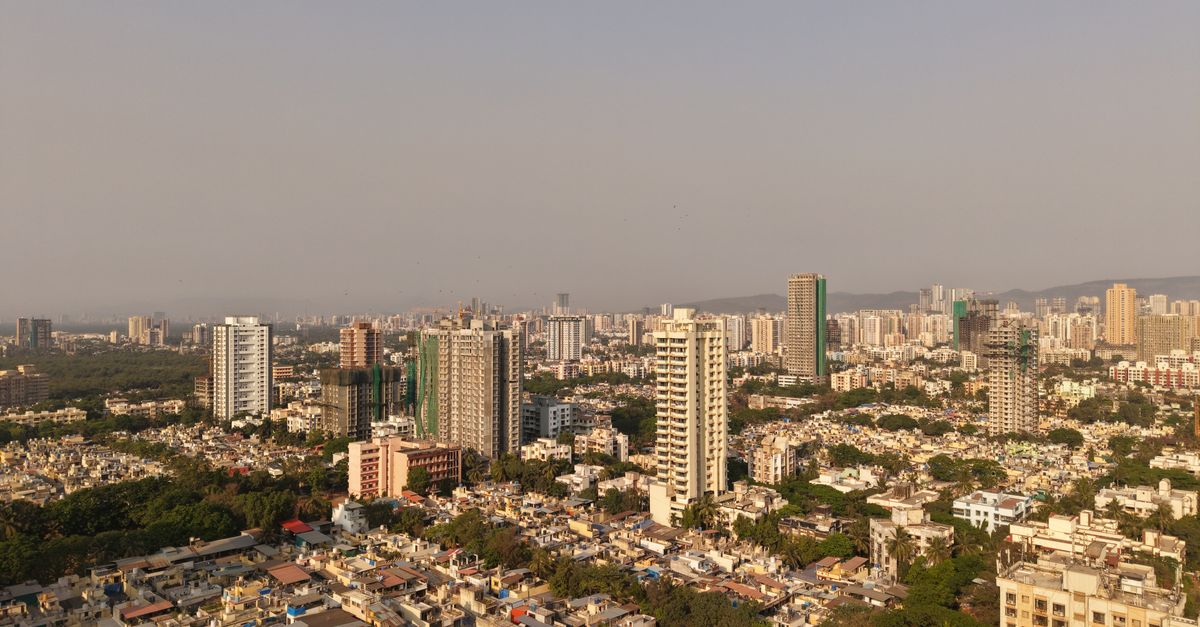
Mumbai sees alarming 535% rise in high-risk malaria cases, reaching 2,382 in 10 years.
Mumbai has witnessed a dramatic 535% increase in cases of a high-risk malaria strain over the past decade, with numbers soaring from 375 in 2013 to 2,382 in 2023, according to recent data. This alarming rise highlights growing public health challenges in the region.
Rising Malaria Threat in Urban Areas
The significant uptick in malaria cases, particularly in an urban setting like Mumbai, underscores the need for enhanced public health strategies. Experts attribute this surge to multiple factors, including increased urbanization, climate changes, and potential resistance to current malaria treatments.
The high-risk strain, known for its severe symptoms and complications, poses a greater threat than other types of malaria. Health officials are concerned about the potential for these cases to overwhelm healthcare facilities if trends continue upwards.
Efforts to Combat the Spread
In response to this crisis, local health authorities are intensifying efforts to control mosquito populations, which are the primary vectors for malaria transmission. Initiatives include widespread fumigation drives, public awareness campaigns, and distribution of insecticide-treated nets.
Additionally, the city's health department is working closely with the National Vector Borne Disease Control Programme to implement targeted interventions in high-incidence areas. These measures aim to reduce the mosquito breeding grounds and improve early detection and treatment of malaria cases.
Challenges and Future Outlook
Despite these efforts, challenges remain. The rapid pace of urbanization has led to the creation of numerous mosquito breeding sites, such as stagnant water pools in construction areas. Moreover, the increasing resistance to anti-malarial drugs complicates treatment protocols.
Experts emphasize the need for a multi-faceted approach, integrating community involvement, improved sanitation, and innovative research into new treatments and vaccines. Collaborative efforts between government bodies, healthcare providers, and residents are crucial to curbing this upward trend.
As Mumbai grapples with this public health challenge, it serves as a stark reminder of the complex interplay between urban development and disease dynamics. Continued vigilance and adaptive strategies will be essential to manage and eventually reduce the incidence of high-risk malaria in the city.