
Mumbai Family Appeals for Aid for Son with Rare Neurological Disorder
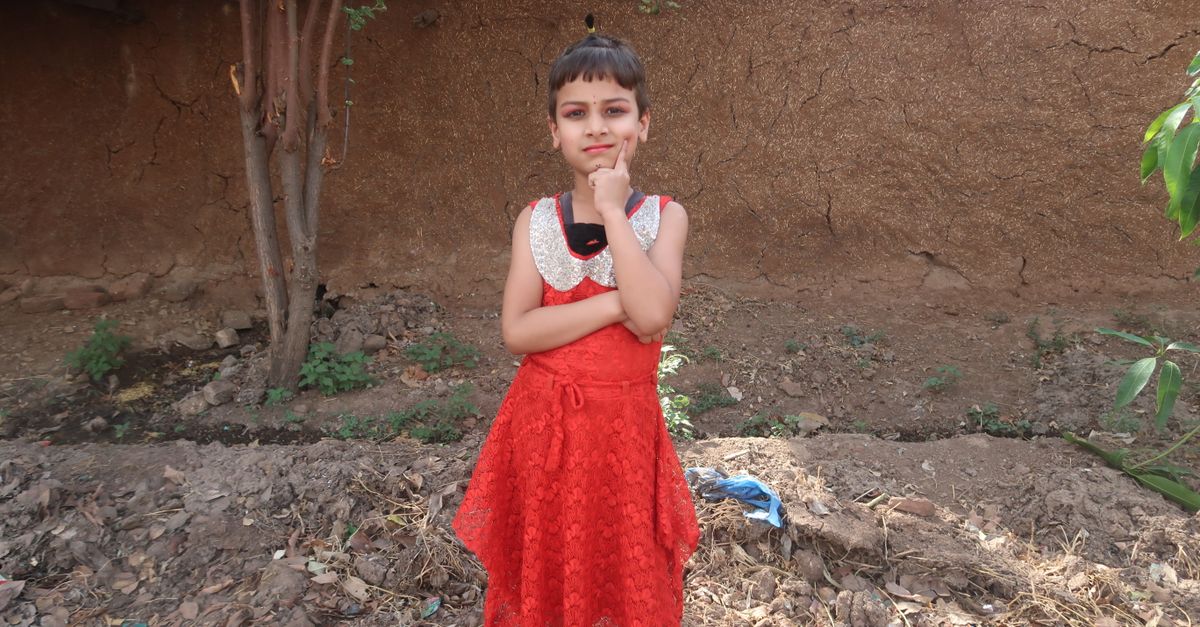
A Mumbai family seeks urgent government assistance for their son suffering from SSPE.
A family in Mumbai is urgently seeking government intervention and medical assistance for their young son, who has been rendered bedridden by a rare neurological condition known as Subacute Sclerosing Panencephalitis (SSPE). This rare, progressive disorder affects the central nervous system and is a complication arising from a measles virus infection.
Struggling with a Rare Diagnosis
The boy, whose identity is being protected, was diagnosed with SSPE, a condition that is both debilitating and difficult to treat. SSPE typically manifests several years after a person has measles, even if they have fully recovered from the initial infection. It leads to severe neurological symptoms, including cognitive decline, motor dysfunction, and eventually, a bedridden state.
The family has been grappling with the emotional and financial toll of managing the boy's condition. They have exhausted their resources and are now appealing for government support to help cover the costs of ongoing medical care, which includes specialized treatments and therapies.
Appeal for Government Support
In their plea, the family has highlighted the urgent need for financial aid and access to specialized medical facilities that can provide the necessary care for their son. SSPE is rare, and treatment options are limited, requiring specific medical expertise to manage the disease's progression.
The family’s appeal underscores the broader issue of access to healthcare for rare diseases in India, where treatment can be prohibitively expensive and difficult to obtain. They are calling on the government to provide assistance programs for families affected by rare conditions like SSPE.
Community Response and Awareness
As the family seeks help, they have also been working to raise awareness about SSPE and the importance of preventive measures, such as the measles vaccination, which can reduce the risk of developing this condition. Community support has been forthcoming, with local organizations and individuals expressing solidarity and offering assistance where possible.
The family's story highlights the challenges faced by many in accessing adequate healthcare for rare diseases in India. It also draws attention to the need for systemic changes in how such cases are managed, including better access to medical facilities and government-backed support systems.
Efforts to engage with health authorities are ongoing, and the family remains hopeful that their appeals will lead to tangible assistance that can improve their son's quality of life.