
Molecular Diagnostics: Transforming Disease Detection in the US
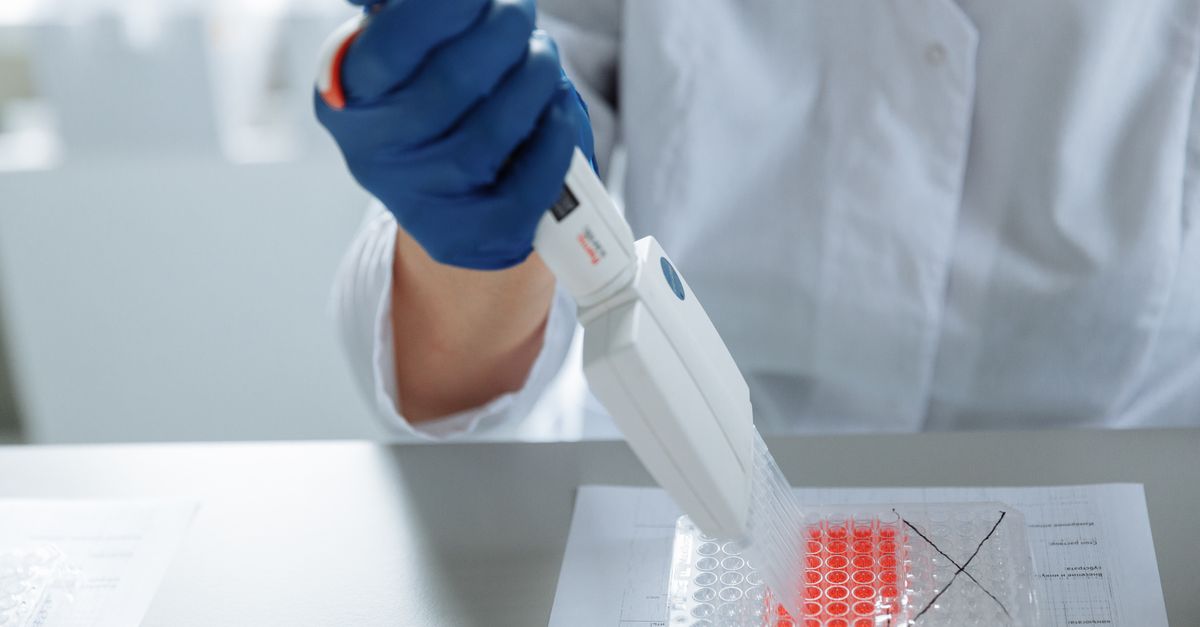
Molecular diagnostics revolutionize how diseases are detected in the US, enhancing accuracy and enabling personalized treatment plans.
Molecular diagnostics, a rapidly advancing field, is reshaping how diseases are detected and managed in the United States. By examining DNA, RNA, and proteins, these technologies provide precise insights into the genetic and molecular underpinnings of diseases, offering unparalleled accuracy. This precision is not only transforming patient outcomes but also redefining the healthcare landscape.
Why Molecular Diagnostics Are Gaining Ground
The adoption of molecular diagnostics in the US healthcare system is driven by the demand for more accurate and early disease detection. Traditional diagnostic methods often rely on symptoms that may appear late in the disease's progression. In contrast, molecular diagnostics can detect diseases at a much earlier stage, allowing for timely intervention. The Centers for Medicare & Medicaid Services (CMS) have recognized the potential of these diagnostics, offering reimbursement for tests that meet stringent criteria.
The COVID-19 pandemic highlighted the importance of rapid and accurate testing. The Food and Drug Administration (FDA) issued emergency use authorizations for several molecular tests, underscoring their critical role in public health response. This experience has accelerated the integration of molecular diagnostics into routine practice, beyond infectious diseases to include oncology, hereditary conditions, and personalized medicine.
Impact on Oncology and Personalized Medicine
In oncology, molecular diagnostics are pivotal in identifying specific genetic mutations that drive cancer growth. This information is crucial for personalized treatment plans, allowing oncologists to select therapies tailored to an individual’s genetic profile. For instance, the FDA-approved companion diagnostics are essential in guiding the use of targeted therapies for cancers such as breast and lung cancer. These tests significantly increase the chances of treatment success and reduce the likelihood of adverse effects.
Moreover, molecular diagnostics facilitate early detection of hereditary cancer syndromes, enabling proactive monitoring and preventive measures for at-risk individuals. The National Institutes of Health (NIH) supports research into these diagnostic tools, recognizing their potential to reduce cancer mortality rates.
Challenges and Considerations for US Adoption
Despite their potential, the widespread adoption of molecular diagnostics in the US faces several challenges. High costs of testing can be a barrier, although this is gradually being addressed as testing becomes more widespread and cost-effective. Reimbursement policies by CMS and private insurers continue to evolve, aiming to balance access with cost containment.
Regulatory hurdles are another consideration. The FDA’s rigorous approval process ensures that only tests with proven clinical validity and utility are available to patients. However, this can also slow down the introduction of new tests. Stakeholders, including healthcare providers and policymakers, must navigate these complexities to fully integrate molecular diagnostics into standard care protocols.
Future Directions and Innovations
Looking ahead, advances in technology promise to further enhance the capabilities of molecular diagnostics. Innovations such as next-generation sequencing (NGS) are making it possible to conduct comprehensive genomic profiling, offering insights into multiple genes in a single test. These developments are expected to drive down costs and improve access, aligning with the goals of the Affordable Care Act (ACA) to make healthcare more affordable and equitable.
As molecular diagnostics continue to evolve, their role in preventive healthcare will likely expand. The potential for these tools to detect diseases before symptoms arise aligns with the broader objectives of public health initiatives led by the Department of Health and Human Services (HHS) and the Centers for Disease Control and Prevention (CDC).
The journey of molecular diagnostics from specialized laboratories to everyday clinical practice marks a transformative period in US healthcare. By enhancing our ability to detect and understand diseases at the molecular level, these diagnostics are not only improving patient outcomes but also setting new standards for healthcare delivery.