
Modular Automation: Transforming Pharmaceutical Manufacturing
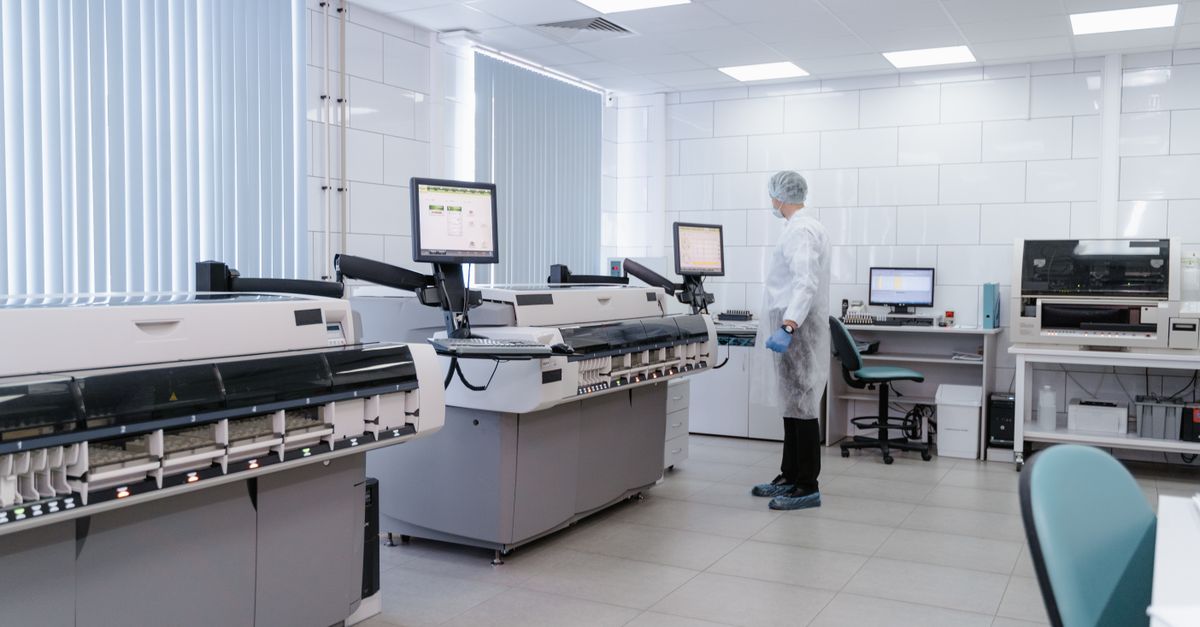
Pharmaceutical firms embrace modular automation to enhance GMP compliance and operational efficiency.
Pharmaceutical companies are increasingly turning to modular automation to enhance Good Manufacturing Practice (GMP) compliance and operational efficiency. This shift marks a significant evolution from traditional automation systems, which often face challenges in flexibility and scalability.
Driving Forces Behind Modular Automation
The transition to modular automation is driven by the need for more adaptable and responsive manufacturing processes. Traditional methods can be rigid, making it difficult to adjust to new regulations or production demands. Modular systems, however, offer the flexibility to quickly adapt to changes, ensuring that companies can maintain compliance with GMP standards while optimizing production.
By breaking down complex processes into smaller, manageable modules, pharmaceutical firms can more easily implement changes and upgrades. This modularity allows for faster response times to market demands and regulatory updates, providing a competitive edge.
Benefits in GMP Compliance
Modular automation systems provide several advantages in maintaining GMP compliance. They enable more precise control and monitoring of the manufacturing process, reducing the risk of errors that could lead to non-compliance. Additionally, these systems often come equipped with advanced data analytics capabilities, allowing for real-time monitoring and reporting.
This real-time data access is crucial for meeting stringent regulatory requirements, as it allows manufacturers to promptly identify and address any deviations from standard procedures. As a result, companies can ensure product quality and safety, which are paramount in the pharmaceutical industry.
Challenges and Considerations
Despite the benefits, implementing modular automation is not without challenges. Companies must consider the initial investment and potential disruptions during the transition phase. However, the long-term gains in efficiency, compliance, and adaptability often outweigh these initial hurdles.
Furthermore, integrating modular systems into existing infrastructure can be complex. It requires careful planning and execution to ensure compatibility and minimize downtime. Businesses must also invest in training their workforce to effectively operate and maintain these new systems.
The Future of Pharmaceutical Manufacturing
As the pharmaceutical industry continues to evolve, modular automation is poised to play a pivotal role in shaping its future. Companies that embrace this technology stand to gain significant advantages in terms of efficiency, compliance, and market responsiveness.
Looking ahead, the integration of artificial intelligence and machine learning with modular systems could further enhance their capabilities. These advancements have the potential to revolutionize pharmaceutical manufacturing, making processes even more efficient and compliant with evolving GMP standards.