
Microplastics in Soil: A Global Threat Delivering Toxins
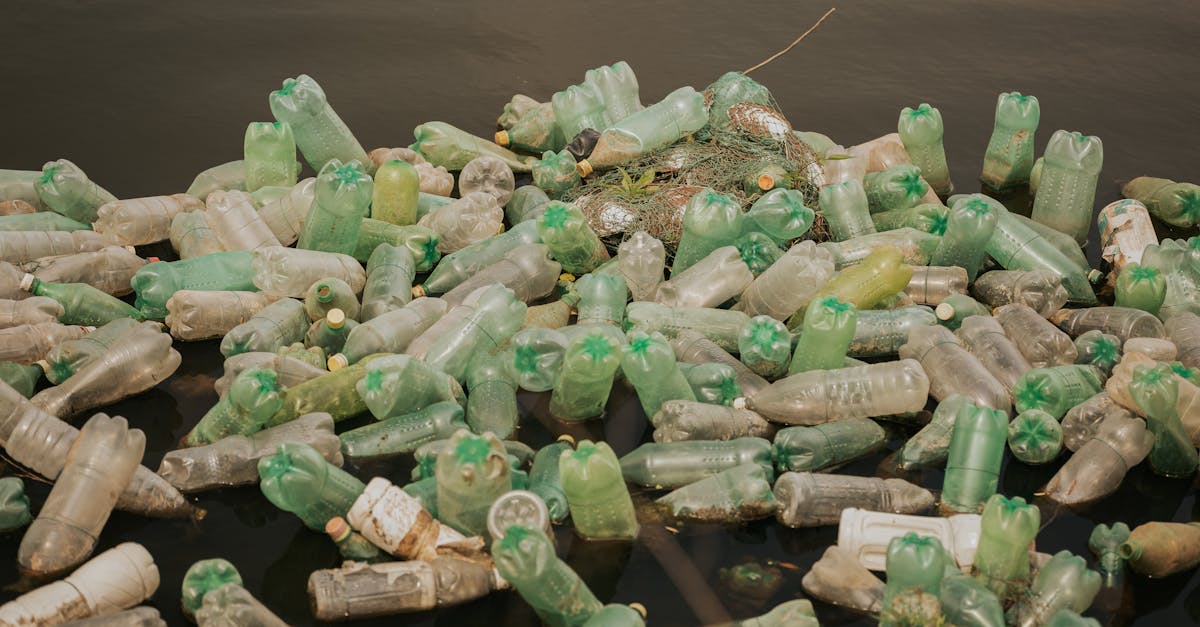
Microplastics in soil act as 'Trojan horses', carrying harmful toxins and posing a global environmental threat.
Microplastics, tiny fragments of plastic less than 5mm in size, have long been recognized as a significant environmental issue in oceans and waterways. However, recent studies highlight a growing concern: the infiltration of microplastics into soil ecosystems worldwide. These particles are acting as 'Trojan horses', carrying and delivering harmful toxins into the environment.
Impact on Soil and Agriculture
Microplastics in soil can have far-reaching effects on agriculture and food safety. As plastics break down, they can absorb and transport various pollutants, including pesticides and heavy metals, into the soil. This process not only contaminates the soil but also affects the crops grown in it, potentially entering the human food chain.
Research indicates that microplastics can alter soil structure, affecting water retention and nutrient availability. This disruption can lead to reduced agricultural productivity and increased vulnerability of crops to environmental stresses.
Global Spread and Sources
The pervasive presence of microplastics in soil is attributed to several sources. Agricultural activities, such as the use of plastic mulches and fertilizers containing microplastic particles, contribute significantly. Additionally, urban runoff and improper waste management exacerbate the problem, allowing plastics to seep into terrestrial environments.
Microplastics have been detected in remote areas, indicating their widespread distribution and the challenges in controlling their spread. This global dispersion raises concerns about the long-term sustainability of soil health and agricultural practices.
Health and Environmental Concerns
The implications of microplastics in soil extend beyond environmental concerns. There is increasing evidence suggesting that these particles can impact human health. When crops absorb microplastics, they can eventually make their way into the food we consume, posing potential health risks.
Moreover, the toxins carried by microplastics can harm beneficial soil organisms, such as earthworms and microbes, which play a crucial role in nutrient cycling and soil fertility. This disruption can lead to decreased biodiversity and ecosystem services.
Addressing the Microplastic Challenge
Efforts to mitigate the impact of microplastics in soil involve both policy measures and technological innovations. Improved waste management practices, stricter regulations on plastic use in agriculture, and the development of biodegradable alternatives are key strategies being considered.
Researchers are also exploring methods to remove microplastics from soil, although these solutions are still in the early stages of development. Public awareness and education campaigns are crucial in reducing plastic pollution and encouraging sustainable practices.
As the world grapples with the consequences of microplastic pollution, a coordinated global response is essential to protect soil health and ensure food security for future generations.