
Microbiomes' Role in Reproductive Health Under Investigation
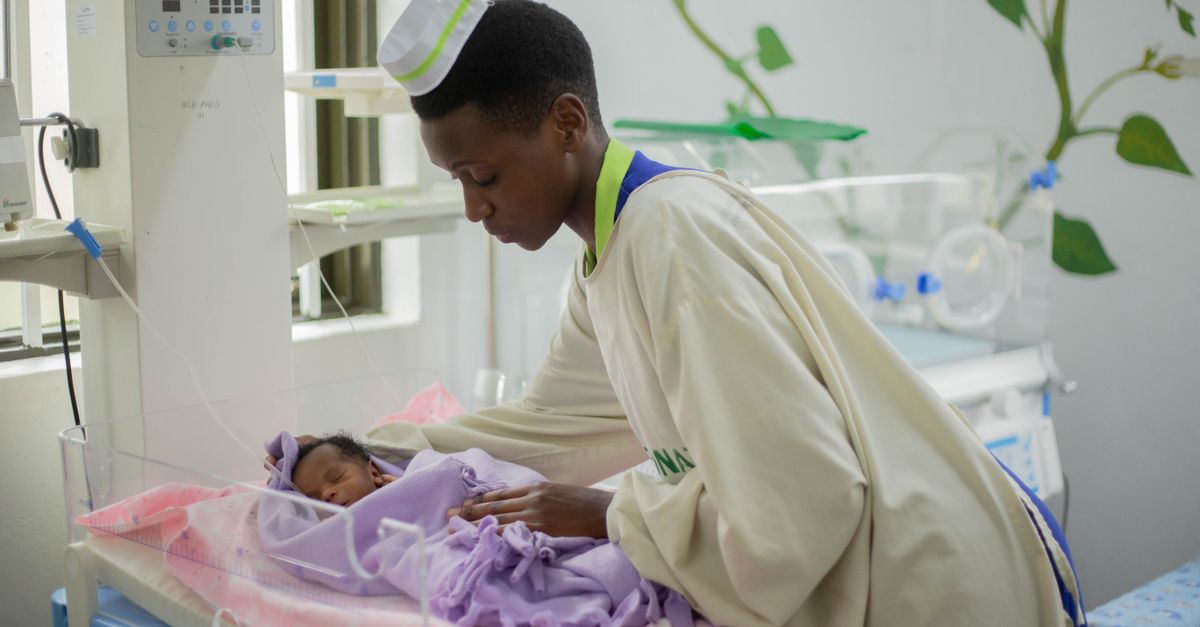
New research explores how gut and seminal microbiomes may impact fertility and reproductive success.
Emerging research suggests that the composition of gut and seminal microbiomes could significantly impact reproductive outcomes. As scientists delve deeper into the human microbiome, understanding the interplay between these microbial communities and fertility is gaining traction in scientific circles.
Microbiomes and Their Potential Influence
The human microbiome, a complex ecosystem of microorganisms residing within our bodies, has long been known to affect various aspects of health. Recent studies indicate that these microbiomes, particularly those in the gut and semen, may play a crucial role in reproductive health. Researchers are investigating how these microbiomes interact with human reproductive systems and influence fertility.
Specifically, the gut microbiome is believed to affect hormonal balance, immune function, and metabolic processes, all of which are critical to reproductive health. Meanwhile, the seminal microbiome might influence sperm quality and motility, thereby affecting the likelihood of successful conception.
Research Highlights and Implications
In recent studies, scientists have observed correlations between certain microbial profiles and reproductive outcomes. For instance, an imbalance in gut microbiota has been linked to conditions such as polycystic ovary syndrome (PCOS) and endometriosis, both of which can negatively impact fertility. Similarly, alterations in the seminal microbiome have been associated with reduced sperm quality.
The implications of these findings could be far-reaching. Understanding the microbiome's influence on reproduction may lead to new diagnostic tools and treatments for infertility. For example, microbiome-targeted therapies could potentially restore balance in these microbial communities, improving reproductive health and outcomes.
Future Directions in Microbiome Research
As research in this area progresses, scientists are calling for more comprehensive studies to establish causal relationships between microbiome composition and reproductive health. Large-scale clinical trials and longitudinal studies could provide deeper insights and validate initial findings.
Moreover, personalized medicine approaches that consider individual microbiome profiles could revolutionize fertility treatments. By tailoring interventions to specific microbial compositions, healthcare providers might offer more effective solutions for those struggling with infertility.
The exploration of gut and seminal microbiomes represents a promising frontier in reproductive health research. As scientists continue to unravel the complexities of these microbial ecosystems, the potential for groundbreaking advancements in fertility treatments becomes increasingly apparent.