
Microbiome Mapping Revolutionizes Hygiene in Broiler Plants
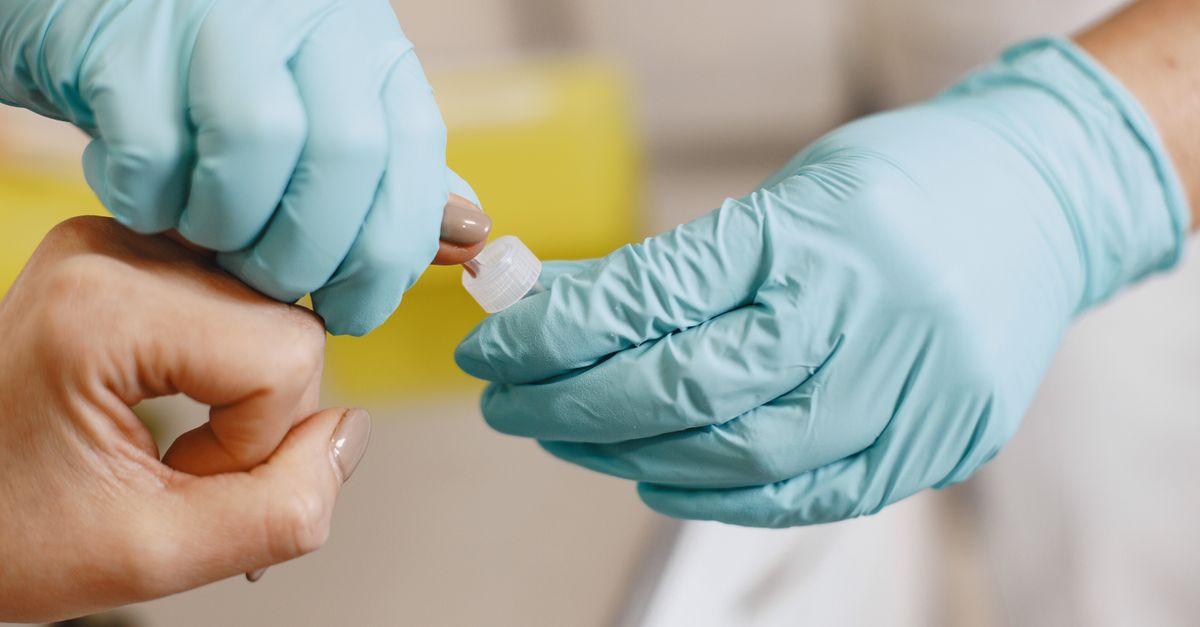
New microbiome mapping techniques enhance hygiene and safety in broiler processing plants.
Innovative microbiome mapping techniques are set to transform hygiene practices in broiler processing plants, offering a proactive approach to managing microbial communities and improving food safety standards.
Transforming Hygiene Practices
The integration of microbiome mapping in broiler plants represents a significant advancement in the poultry industry. By identifying and analyzing microbial populations, plant operators can pinpoint sources of contamination and take targeted actions to mitigate risks. This method provides a comprehensive overview of microbial ecosystems, allowing for more precise interventions.
Traditional sanitation measures, while effective to an extent, often lack the specificity needed to address all potential contamination sources. Microbiome mapping fills this gap by offering a detailed understanding of microbial dynamics within the plant environment.
Enhancing Food Safety
Food safety remains a top priority for broiler processing facilities. The ability to detect and respond to microbial threats swiftly is crucial in preventing outbreaks of foodborne illnesses. By employing microbiome mapping, plants can enhance their surveillance capabilities and ensure compliance with stringent safety regulations.
This approach also enables facilities to adopt a more sustainable hygiene strategy. By focusing on the reduction of harmful microbes while preserving beneficial ones, microbiome mapping supports the development of balanced microbial communities that can naturally suppress pathogens.
Implementing Microbiome Mapping
Adopting microbiome mapping involves several steps, starting with the collection of samples from various plant areas. Advanced sequencing technologies are then used to analyze these samples, providing insights into the diversity and abundance of microbes present.
Results from microbiome mapping can inform cleaning protocols, equipment maintenance schedules, and even employee training programs. By tailoring strategies to the specific microbial landscape of each facility, companies can optimize their resources and improve overall plant hygiene.
The poultry industry is poised to benefit significantly from this technology as it offers a level of precision and efficiency previously unattainable with conventional methods. As microbiome mapping becomes more widespread, it is expected to set new standards for food safety and plant management practices.