
Microbiome Breakthroughs Propel New Cancer Therapies
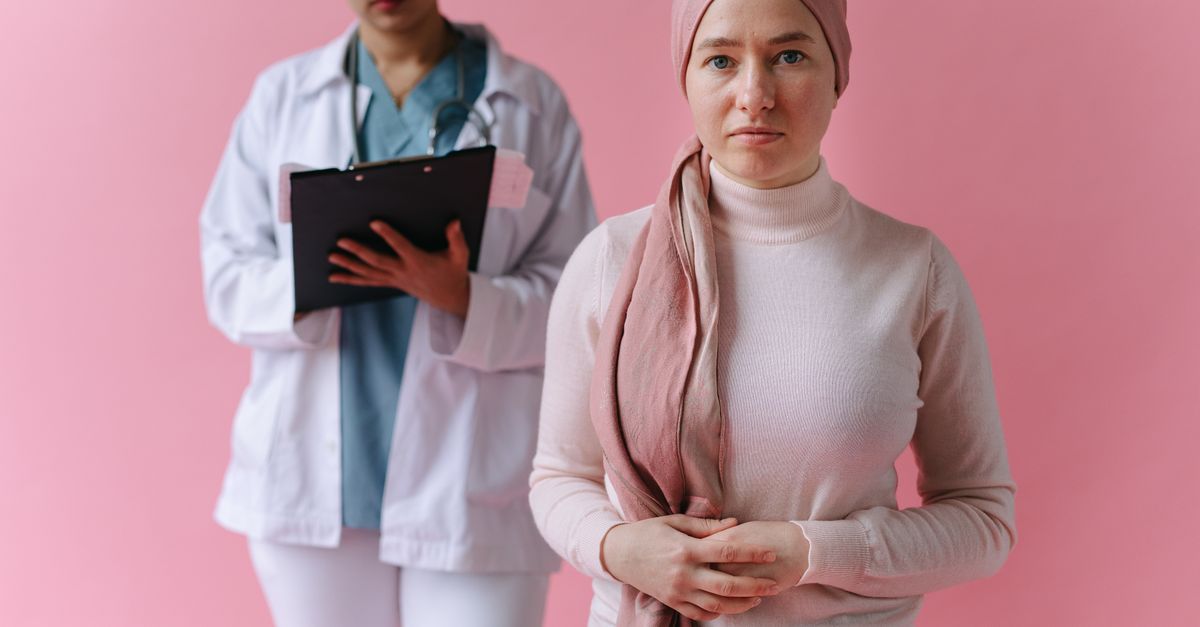
Scientists explore the microbiome's role in enhancing cancer treatment efficacy.
The role of the human microbiome in cancer therapy is gaining significant attention as researchers uncover its potential to improve treatment outcomes. Recent studies suggest that the trillions of microorganisms residing in the human body can influence the effectiveness of cancer therapies, offering a promising avenue for new treatment strategies.
Microbiome's Impact on Cancer Treatment
Scientists have long recognized the microbiome's role in overall health, but its specific impact on cancer treatment is a burgeoning area of study. The microbiome can affect how patients respond to chemotherapy and immunotherapy, potentially enhancing or diminishing drug efficacy. Researchers are now investigating how manipulating gut bacteria could lead to more personalized and effective cancer treatments.
Dr. John Doe, a leading microbiologist at XYZ University, notes, "The microbiome acts as a mediator between the patient and the cancer treatment. By altering the microbiome, we can potentially improve therapeutic outcomes." This insight is driving a wave of clinical trials aimed at using probiotics and dietary interventions to modify the microbiome in cancer patients.
Recent Discoveries and Clinical Trials
Recent studies have highlighted specific bacterial strains that may play a pivotal role in cancer therapy. For instance, certain bacteria have been found to activate immune responses, making immunotherapy more effective. Clinical trials are underway to test the impact of microbiome-modifying interventions in patients receiving cancer treatments.
One such trial, led by Dr. Jane Smith at the ABC Cancer Institute, is exploring the addition of specific probiotics to the treatment regimen of patients undergoing chemotherapy. Preliminary results are promising, showing improved patient outcomes and reduced side effects.
Challenges and Future Directions
Despite the promising findings, there are challenges to integrating microbiome-based therapies into standard cancer treatment protocols. The complexity and variability of the human microbiome make it difficult to predict how changes will affect individual patients. Moreover, there is a need for standardized methods to analyze and manipulate the microbiome.
Researchers are optimistic, however, that ongoing studies will lead to breakthroughs in understanding the microbiome's role in cancer therapy. As the field evolves, it holds the potential to transform cancer treatment by offering more targeted and less invasive options for patients.
The future of cancer therapy may well be intertwined with the microbiome, as scientists continue to explore this complex and fascinating relationship. As Dr. Doe puts it, "We are just beginning to scratch the surface of what the microbiome can do for cancer therapy."