
Micro-Hospitals: Bridging India's Healthcare Gap
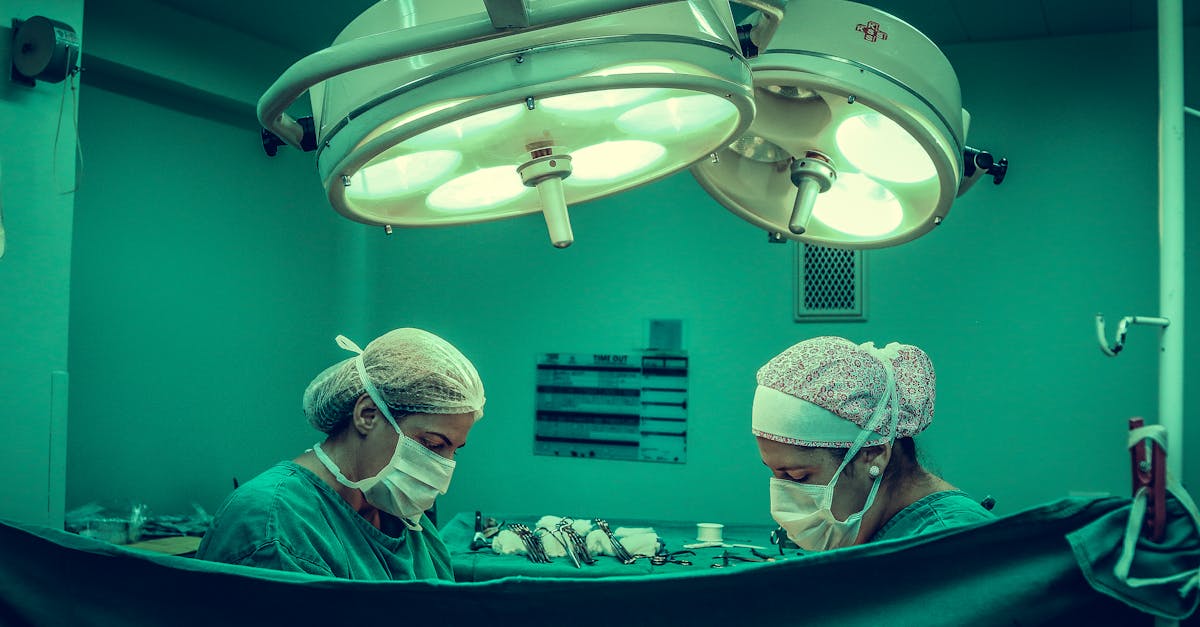
Micro-hospitals could address India's healthcare accessibility challenges by filling the gap between primary and tertiary care.
India's healthcare system faces significant challenges in accessibility and quality, particularly in rural and semi-urban areas. The concept of micro-hospitals is gaining attention as a potential solution to bridge the gap between primary care centers and large tertiary hospitals.
Understanding Micro-Hospitals
Micro-hospitals are small-scale, fully licensed healthcare facilities that offer a range of services, including emergency care, surgery, and inpatient services. Typically spanning 15,000 to 50,000 square feet, these facilities have between 8 to 50 beds. They are designed to provide personalized care with shorter wait times and lower costs compared to larger hospitals.
The model has seen success in the United States, where micro-hospitals serve as an intermediary step, providing more comprehensive services than urgent care centers but without the extensive resources of a full-scale hospital.
The Indian Context
India's healthcare infrastructure is heavily skewed towards urban centers, leaving rural populations with limited access to quality care. According to a 2019 report by the National Health Profile, India has only 1.4 hospital beds per 1,000 people, far below the global average. Micro-hospitals could significantly improve accessibility by establishing a presence in underserved areas.
These facilities can be strategically located to complement existing healthcare services, offering essential medical procedures and diagnostics, which would otherwise require travel to urban centers. This model not only enhances convenience for patients but also reduces the burden on larger hospitals, allowing them to focus on more complex cases.
Challenges and Opportunities
Implementing micro-hospitals in India is not without challenges. Regulatory hurdles, high initial capital investment, and the need for skilled healthcare professionals are significant barriers. However, the potential benefits are substantial. By providing localized healthcare services, micro-hospitals can play a crucial role in improving health outcomes and reducing mortality rates in rural areas.
Moreover, the digital health revolution in India, with advancements in telemedicine and electronic health records, can complement micro-hospital services. These technologies can facilitate remote consultations and continuous patient monitoring, further enhancing the efficiency of care delivery.
Looking Ahead
For micro-hospitals to thrive in India, collaboration between government, private investors, and healthcare providers is essential. Policy frameworks need to be supportive, with incentives for private investment and streamlined regulatory processes. Additionally, training programs for healthcare professionals must be expanded to ensure a steady supply of skilled workers for these facilities.
As India continues to grapple with its healthcare challenges, micro-hospitals offer a promising avenue to enhance the system's capacity and reach. By strategically filling the gap between primary and tertiary care, they have the potential to transform healthcare delivery across the country.