
Metropolis Healthcare to Reach 1,000 Towns by 2029
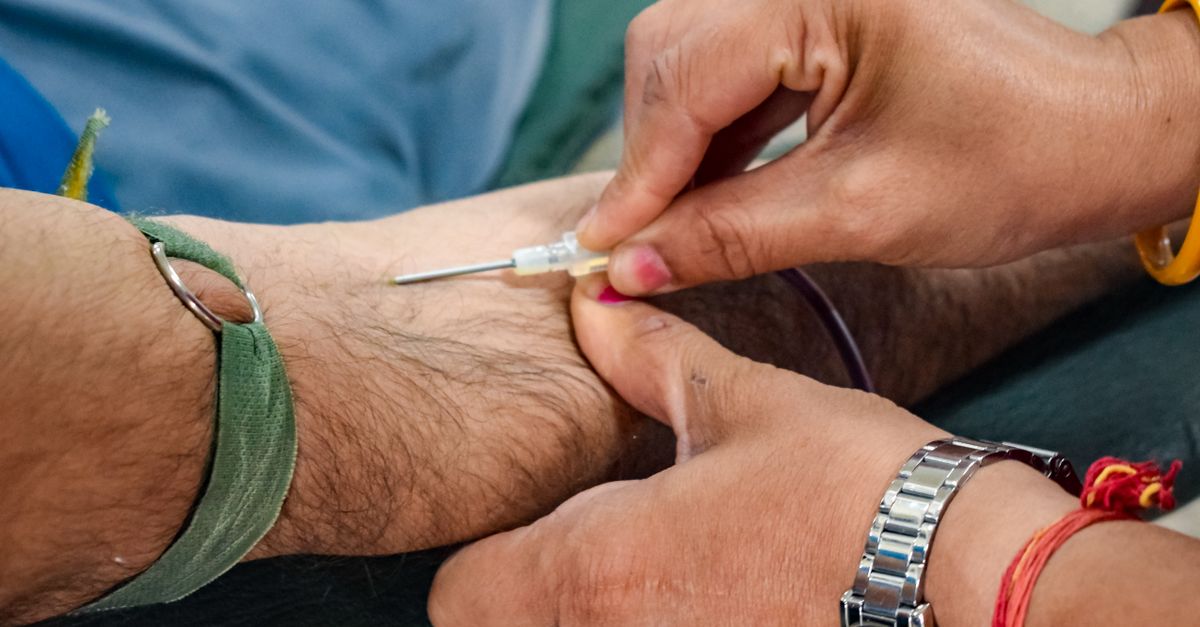
Metropolis Healthcare plans to expand to 1,000 towns in three years, enhancing infrastructure and embracing technology.
Metropolis Healthcare, a prominent player in the diagnostic industry, has announced its ambitious plan to extend its services to 1,000 towns across India within the next three years. Currently operating in 750 towns, the company aims to enhance its geographical footprint significantly.
Infrastructure and Technological Advancements
In its ongoing "acceleration" phase, Metropolis intends to boost its infrastructure by increasing the centre-to-lab ratio from 24 to 35 collection centres per laboratory. This change is expected to occur over the next two to three years, aiming to improve operational efficiency.
Executive Chairperson Ameera Shah highlighted the vast potential in the Indian diagnostic industry, which is valued at approximately USD 11 billion and is expanding at a rate of 11% annually. However, she noted that 85% of this sector remains unorganised, presenting a significant opportunity for structured growth.
Shah stated, "Metropolis decided about 25 years ago to build a chain of standardised centres. Today, we have 209 labs and over 5,000 centres across India and five African countries." The company concluded the fiscal year 2026 with revenues of Rs 1,646 crore.
Strategic Expansion and Technological Integration
Metropolis plans to add 2,500 more collection centres to its current network of 5,000 centres, of which 750 are company-owned and located in major cities like Mumbai, Pune, Chennai, and Bengaluru. The aim is to increase the number of these owned centres to 1,000.
Managing Director Surendran Chemmakotil emphasized the company's focus on technology and profitable growth. "Metropolis will completely transform into a technology company in the next three years," he said, noting the deployment of AI in non-science processes to enhance productivity and efficiency.
The company also plans to establish about 100 "mini-hubs" offering basic radiology services alongside pathology, diversifying its service offerings.
Financial Goals and Genomics Focus
Metropolis targets an increase in its EBITDA margin from the current 24.5% to 28% within three years by improving operational leverage and asset utilization. The company reported a 17.6% compound annual growth rate in revenue over the last three years and aims for organic revenue growth of 14-15% annually, excluding acquisitions.
A significant aspect of Metropolis's strategy includes a focus on high-end specialised testing, particularly genomics. The company has established centres of excellence for genomics in Gurugram and Mumbai, employing advanced Illumina NovaSeq technology.
Surendran highlighted the growing traction for genomics, stating, "We are reaching out to specialised clinicians to adopt genomics as a primary diagnostic tool for cancer, neurological disorders, and prenatal testing."
On the subject of market competition, Shah stressed that precision remains paramount in diagnostics, especially for critical illnesses like cancer. She noted that while India offers one of the most cost-effective diagnostic services globally, customers prioritize quality and precision.