
Mental Health Awareness: A Growing Focus in India
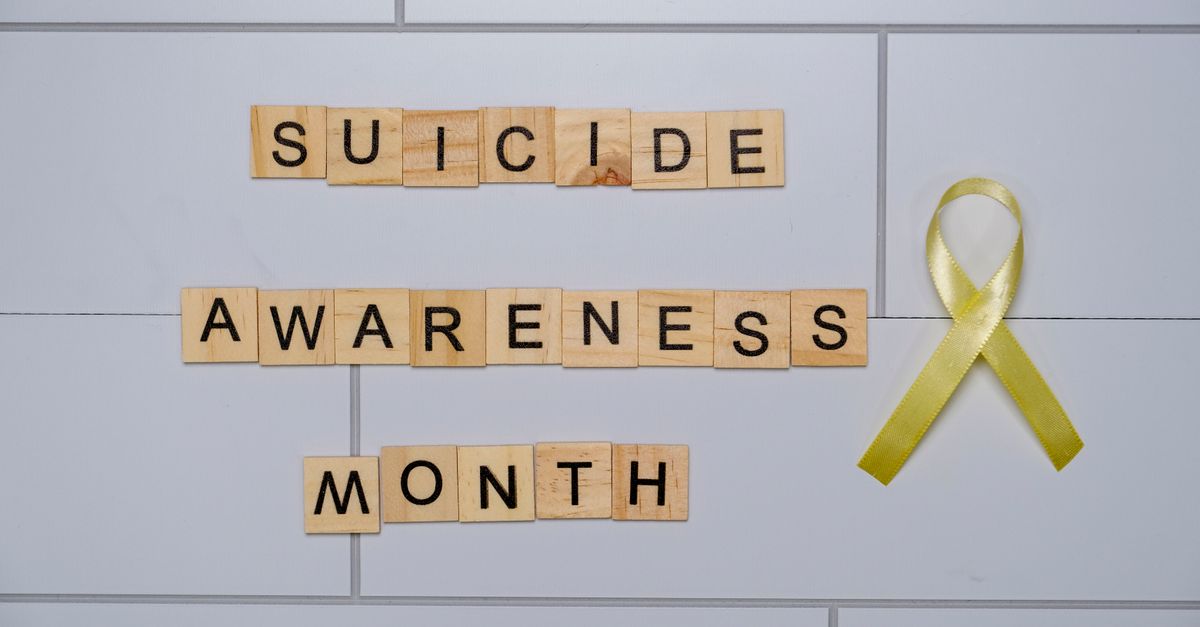
With rising mental health concerns, India is taking steps to improve awareness and access to care.
Mental health in India has long been a topic overshadowed by stigma and neglect. However, recent years have seen a significant shift as awareness grows and initiatives emerge to address these concerns. The urgency of mental health awareness is underscored by statistics revealing that nearly 15% of Indian adults require active intervention for one or more mental health issues, according to a 2016 study by the National Institute of Mental Health and Neurosciences (NIMHANS).
Government Initiatives Gain Momentum
The Indian government has increasingly recognized the need to tackle mental health issues head-on. In 2017, the Mental Healthcare Act was enacted, which granted individuals the right to access mental health care and treatment from government services. This legislation was a milestone, aiming to provide affordable mental health care and ensure the rights of those with mental illnesses.
In addition to legislation, the Ministry of Health and Family Welfare launched the National Mental Health Programme (NMHP) in 1982. While it initially faced implementation challenges, recent efforts have focused on integrating mental health services with primary healthcare systems, aiming to provide more holistic and accessible care.
Challenges in Access and Awareness
Despite these government-led initiatives, challenges persist. One major hurdle is the shortage of mental health professionals. According to the World Health Organization (WHO), India has only 0.75 psychiatrists per 100,000 people, a stark contrast to the global average of 3.96. This gap highlights the pressing need for trained professionals to meet growing demand.
Moreover, cultural stigma continues to impede progress. Mental health issues are often misunderstood or ignored due to traditional beliefs and lack of awareness. Campaigns like 'It's OK to Talk' and initiatives by organizations such as The Live Love Laugh Foundation aim to combat this stigma by fostering open conversations and educating the public about mental health.
The Role of Technology and Innovation
Technological advancements offer promising solutions to bridge gaps in awareness and access. Telemedicine has emerged as a powerful tool, particularly during the COVID-19 pandemic, enabling remote consultations and therapy sessions. Platforms like Practo and 1mg have expanded their services to include mental health consultations, making it easier for individuals to seek help discreetly and efficiently.
Additionally, mobile applications such as Wysa and YourDOST provide mental health support and counseling, leveraging artificial intelligence to offer personalized guidance and resources. These innovations show potential in reaching a wider audience and reducing the stigma associated with seeking help.
Educational Initiatives and Community Involvement
Education systems play a crucial role in shaping societal attitudes towards mental health. Several educational institutions in India have begun incorporating mental health education into their curricula, recognizing the importance of equipping young individuals with the knowledge to understand and manage mental health challenges.
Community involvement is equally vital. Local NGOs and community groups are actively working to raise awareness and provide support. Initiatives like 'The Happiness Project' focus on grassroots efforts to educate communities and offer mental health services in rural areas where resources are particularly scarce.
The Road Ahead for Mental Health in India
The path towards comprehensive mental health awareness and care in India is undeniably challenging, yet promising. Continued efforts from the government, combined with technological innovation and community engagement, are crucial to creating a supportive environment for individuals struggling with mental health issues. As societal attitudes gradually shift, there is hope that mental health will become a normalized conversation, encouraging more people to seek the help they need.