
The Complex Role of Medico-Legal Documentation in Road Traffic Accidents
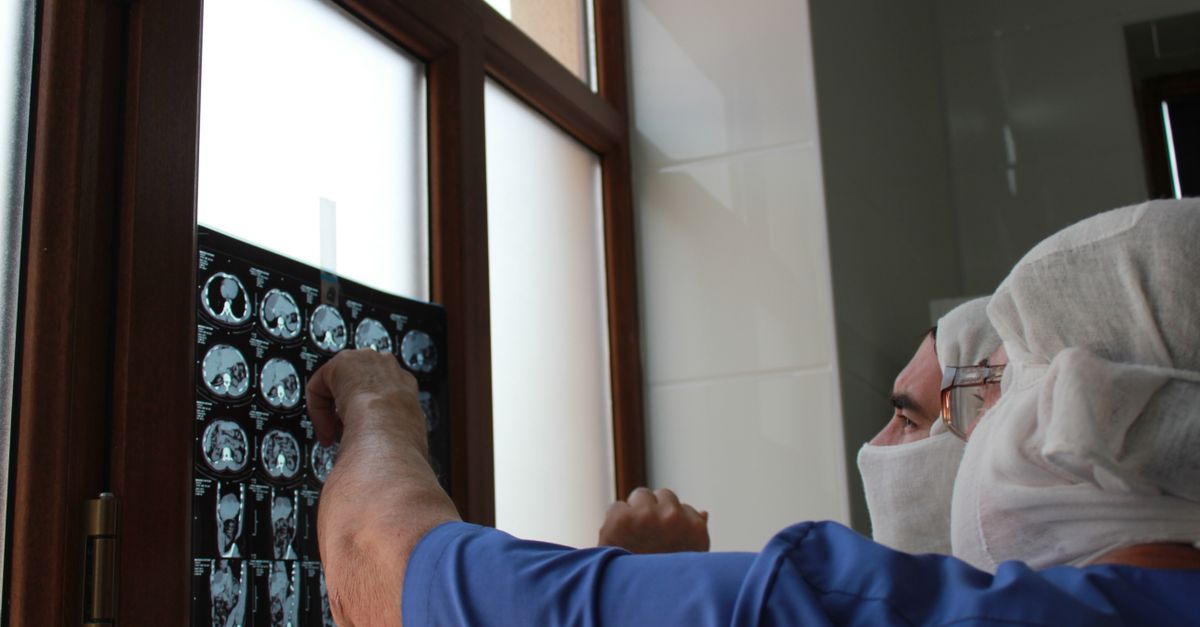
Medico-legal documentation is crucial in understanding and resolving road traffic accidents, affecting legal outcomes and insurance claims.
In the aftermath of road traffic accidents, the importance of meticulous medico-legal documentation cannot be overstated. This documentation serves as a critical link between the healthcare system, legal processes, and insurance claims. Each year, millions of road traffic accidents occur worldwide, resulting in injuries and fatalities that demand detailed and accurate recording. Healthcare professionals are often the first point of contact for victims, and their ability to document injuries with precision plays a crucial role in subsequent legal and insurance processes.
Why Accurate Documentation Matters
Accurate medico-legal documentation is essential for several reasons. It provides a reliable record of the injuries sustained, which is fundamental for any legal proceedings that may follow. This documentation can influence court decisions, insurance payouts, and even the outcome of criminal cases. Inaccuracies or omissions can lead to disputes or reduced compensation for the victims.
Medical professionals are responsible for noting down the circumstances of the accident, the severity of injuries, and any potential long-term impacts. These records must be clear, comprehensive, and impartial to withstand legal scrutiny. In many jurisdictions, this documentation is also considered a legal document, making its accuracy and completeness legally binding.
The Challenges Faced by Medical Professionals
Healthcare providers often face several challenges in documenting road traffic accidents. They must work quickly and efficiently under pressure, balancing the immediate care of the patient with the need to gather comprehensive information. High patient volumes and time constraints can make this task daunting.
Moreover, medical professionals may lack specific training in legal documentation, which can lead to inconsistencies in how injuries and circumstances are recorded. This gap in training highlights the need for enhanced education and systems designed to aid healthcare workers in producing detailed medico-legal documentation.
Technology's Role in Improving Documentation
Advancements in technology offer promising solutions to improve the quality and efficiency of medico-legal documentation. Electronic health records (EHRs), for example, can streamline the documentation process by providing templates and checklists tailored to road traffic accidents. These systems reduce the risk of human error and ensure that all necessary information is captured in a structured manner.
Furthermore, digital imaging and telemedicine can enhance the accuracy of documenting injuries. High-resolution photographs and videos of injuries can complement written records, providing visual evidence that can be crucial in legal contexts. Telemedicine also allows for consultations with specialists who can offer additional insights into the documentation process.
Implications for Legal and Insurance Processes
The medico-legal documentation of road traffic accidents has far-reaching implications for both legal and insurance proceedings. Thorough and accurate records can expedite the legal process, helping to establish liability and facilitate fair settlements. In contrast, incomplete or inaccurate documentation can lead to prolonged legal battles and inadequate compensation for victims.
Insurance companies rely heavily on these documents to assess claims and determine compensations. A well-documented case with clear evidence of injuries and their impact on the victim's life is more likely to result in a favorable outcome for the claimant. Hence, the quality of documentation directly affects the financial recovery of accident victims.
Looking Ahead: The Need for Standardization
As road traffic accidents continue to be a significant public health concern, the standardization of medico-legal documentation processes is becoming increasingly important. Establishing uniform guidelines and training programs can help medical professionals produce high-quality documentation consistently.
International collaboration and policy-making efforts could lead to better frameworks and resources for healthcare providers, ultimately improving outcomes for accident victims. In the words of a healthcare expert, "Effective medico-legal documentation is not just a task; it's a responsibility that can alter lives." The future will likely see a greater emphasis on integrating technology and training to meet this crucial responsibility.