
Medical Device Sector Opposes Draft Bill's Pharma-Like Regulations
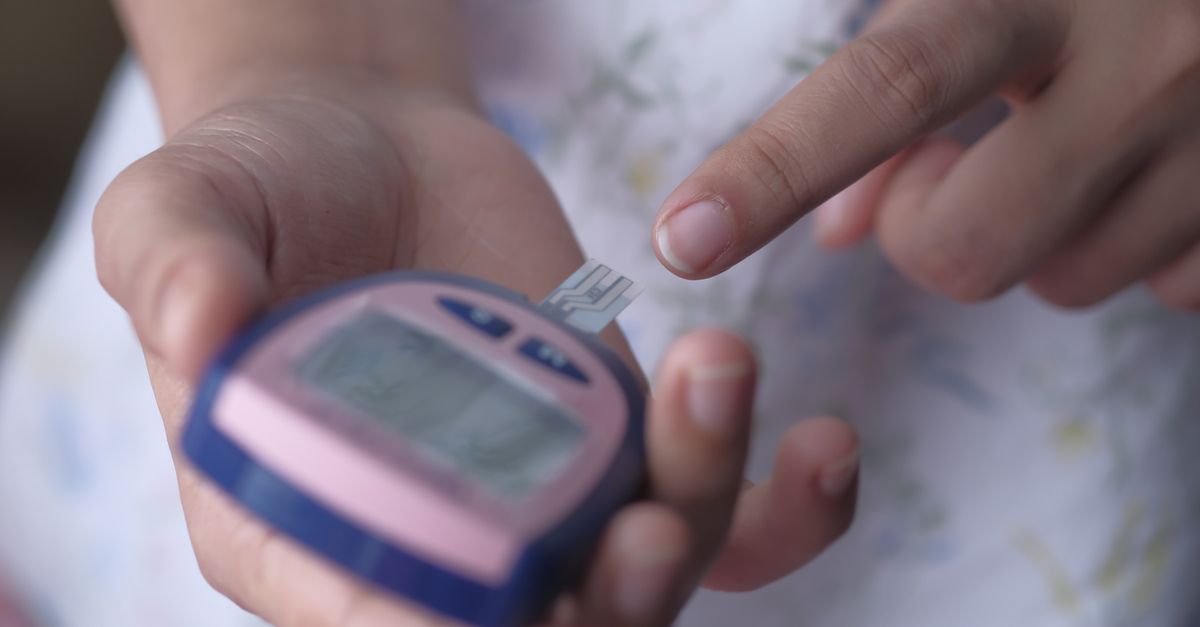
India's medical device industry challenges a draft bill likening devices to drugs, citing risks to innovation and investment.
The Indian medical device industry, alongside healthcare providers and patient safety groups, is voicing strong opposition to the draft Drugs, Medical Devices and Cosmetics Bill, 2026. The primary concern is the bill's approach to regulating medical devices in the same manner as pharmaceutical products, which industry leaders argue could stifle innovation and deter investment.
Industry Pushback Against Drug-Centric Regulations
According to industry insiders, the bill's framework fails to recognize the distinct differences between medical devices and pharmaceuticals. Medical devices are fundamentally engineering products, not drugs, and the proposed regulations do not reflect this distinction. Associations representing manufacturers, traders, and healthcare providers have written to the Union health minister, urging a reconsideration of the bill's provisions.
In their letter dated August 8, these groups emphasized the importance of establishing a regulatory environment that supports growth and innovation in the medical device sector. They argue that the current draft does not provide the necessary foundation for India to compete globally as a hub for medical device manufacturing.
Concerns Over Criminal Penalties
The draft bill's use of drug-centric language, including terms like "adulterated," "spurious," and "misbranded," has raised alarms within the industry. The bill proposes stringent penalties, including imprisonment of one to seven years for issues such as labeling errors and documentation lapses, even when no harm has occurred. This approach contrasts sharply with international practices, where administrative enforcement is more common.
Globally, medical devices are regulated through risk-based conformity assessments, quality management systems, post-market surveillance, and recalls. Countries such as the United States, the European Union, Japan, the United Kingdom, and Australia employ these methods, focusing on administrative solutions rather than criminal penalties.
Potential Impact on India's Medical Device Ambitions
Industry stakeholders warn that the draft bill, if implemented in its current form, could have far-reaching consequences for India's medical device sector. The imposition of pharma-style regulations might discourage investment and innovation, undermining India's ambitions to become a leading global center for medical device production.
The draft bill is currently under inter-ministerial consultation, and the medical device industry is hopeful for revisions that recognize the unique nature of their products. As the debate continues, stakeholders are advocating for a regulatory framework that fosters growth and aligns with global standards.