
Medical Device Industry Rebukes Draft Bill for Pharma-Like Regulations
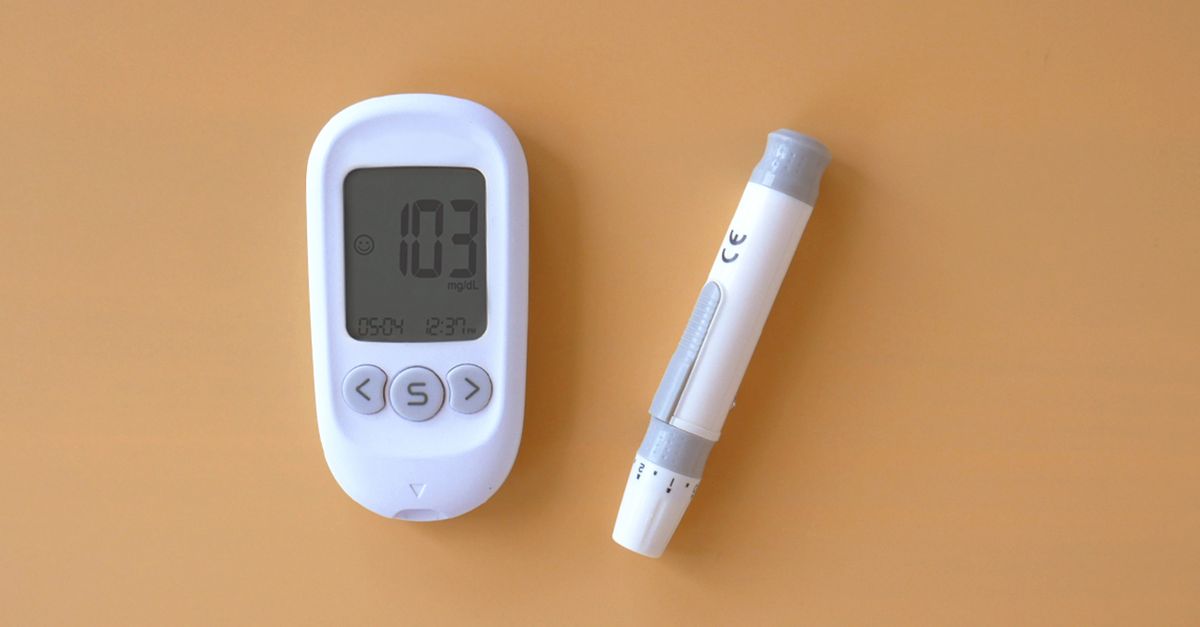
India's medical device sector opposes a draft bill equating devices with pharmaceuticals, fearing it may stifle growth and innovation.
The Indian medical device industry has voiced strong opposition to the proposed Drugs, Medical Devices and Cosmetics Bill, 2026. Industry leaders argue that the draft bill, which treats medical devices similarly to pharmaceutical products, could severely impact manufacturing and innovation in the sector.
Industry Concerns Over Regulatory Approach
Several associations representing manufacturers, healthcare providers, and patient safety groups have expressed their concerns to the Union health minister. They argue that the bill's approach could deter investment and hinder India's goal of becoming a global hub for medical device manufacturing. The current draft, they assert, fails to establish a regulatory framework that recognizes the distinct nature of medical devices compared to pharmaceuticals.
According to industry insiders, the draft bill continues to use language typically associated with pharmaceuticals, including terms like "adulterated," "spurious," and "misbranded." This approach includes the application of criminal penalties for regulatory lapses, which industry representatives believe is inappropriate given the engineering-focused nature of medical devices.
Global Regulatory Practices Highlighted
The medical device industry has emphasized that global standards do not align with the proposed regulations in the draft bill. In regions such as the European Union, the United States, Japan, the UK, and Australia, medical devices are regulated through risk-based assessments, quality management systems, and post-market surveillance rather than criminal penalties. The draft bill's provisions for imprisonment ranging from one to seven years for issues such as labeling errors and documentation lapses are seen as excessive and not in line with international practices.
Calls for a Distinct Regulatory Framework
In their correspondence dated August 8, industry associations urged the government to reconsider the draft bill, advocating for a regulatory framework that distinctly addresses the unique characteristics of medical devices. They argue that treating medical devices as an adjunct to pharmaceuticals does not reflect the scientific and engineering complexities of the sector.
The draft bill, currently under inter-ministerial review, aims to replace the 86-year-old law governing pharmaceuticals in India. However, industry stakeholders argue that a separate and tailored approach is necessary to foster growth and innovation in the medical device sector.
The outcome of this debate could significantly affect the future of India's medical device industry, as stakeholders continue to push for regulations that support rather than hinder the sector's development.