
Medical Device Industry Opposes India's Draft Bill on Regulatory Grounds
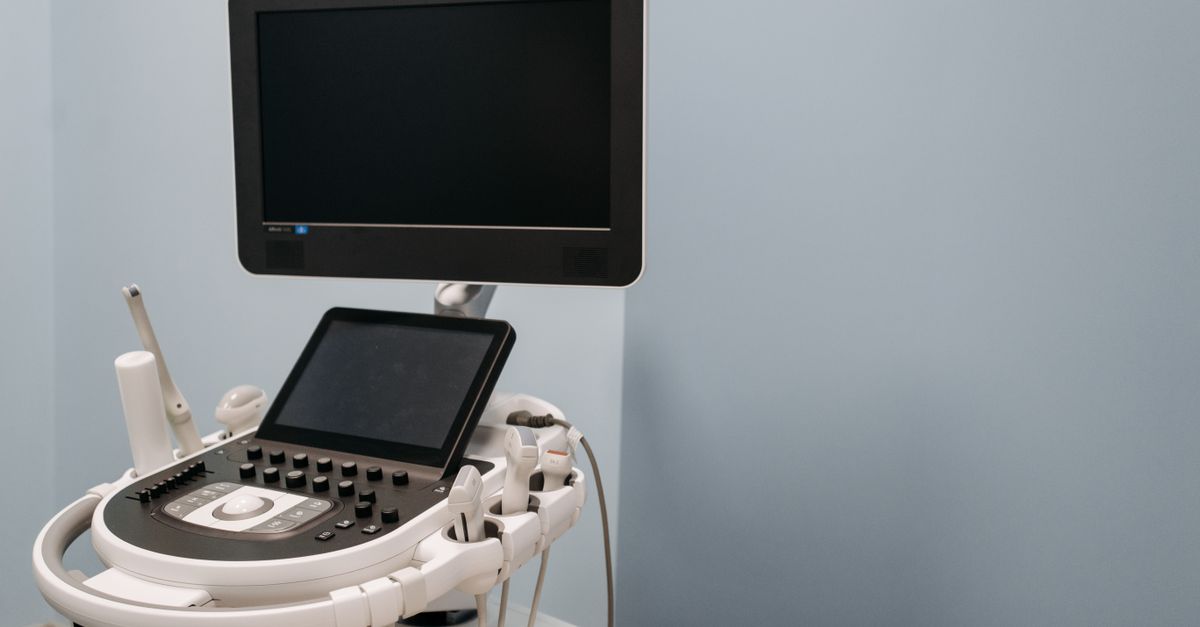
India's medical device sector challenges a draft bill aligning device regulations with pharmaceuticals, citing potential harm to innovation and investment.
India's medical device industry is raising concerns over the government's proposed Drugs, Medical Devices and Cosmetics Bill, 2026, which they argue incorrectly categorizes medical devices as pharmaceutical products. This move, they claim, could stifle manufacturing, deter investment, and hinder innovation in the sector.
Industry Pushback Against Draft Bill
Several associations representing manufacturers, traders, healthcare providers, and patient safety groups have collectively voiced their opposition to the draft bill. They argue that the bill, which aims to overhaul the 86-year-old law governing pharmaceuticals in India, fails to provide a suitable regulatory framework for medical devices. These associations have urged the Union Health Minister to reconsider the bill, citing the need for a distinct regulatory approach that aligns with global standards.
The draft bill has been criticized for its pharmaceutical-centric language, using terms such as "adulterated," "spurious," and "misbranded," which the industry says are not applicable to medical devices. Furthermore, the bill proposes criminal penalties for regulatory lapses, including labelling errors and documentation mistakes, with potential imprisonment of one to seven years. This approach contrasts with international practices, where administrative enforcement is more common.
Global Regulatory Standards Ignored
Industry representatives have highlighted that globally, medical devices are regulated through risk-based conformity assessments, quality management systems, post-market surveillance, and recalls. These methods are favored over criminal penalties, which are not practiced in regions like the EU, US, Japan, UK, or Australia.
The letter sent to the Health Minister on August 8 stressed that treating medical devices as an extension of pharmaceuticals ignores the clear scientific, engineering, and regulatory distinctions between the two categories. The associations warn that such regulatory oversight could impede India's ambition to become a global hub for medical device manufacturing and innovation.
Call for Regulatory Distinction
As the draft bill undergoes inter-ministerial consultation, the medical device industry is advocating for a regulatory framework that recognizes the unique nature of medical devices. They argue that imposing pharmaceutical-style regulations could lead to unnecessary hurdles in the development and distribution of medical devices, ultimately affecting patient safety and access to healthcare solutions.
The pushback from the industry highlights the need for a nuanced approach to regulation that supports growth and innovation while ensuring safety and efficacy. As discussions around the draft bill continue, the outcome will be closely watched by stakeholders invested in the future of India's medical device sector.