
Medical Device Industry Opposes Draft Bill Treating Devices as Drugs
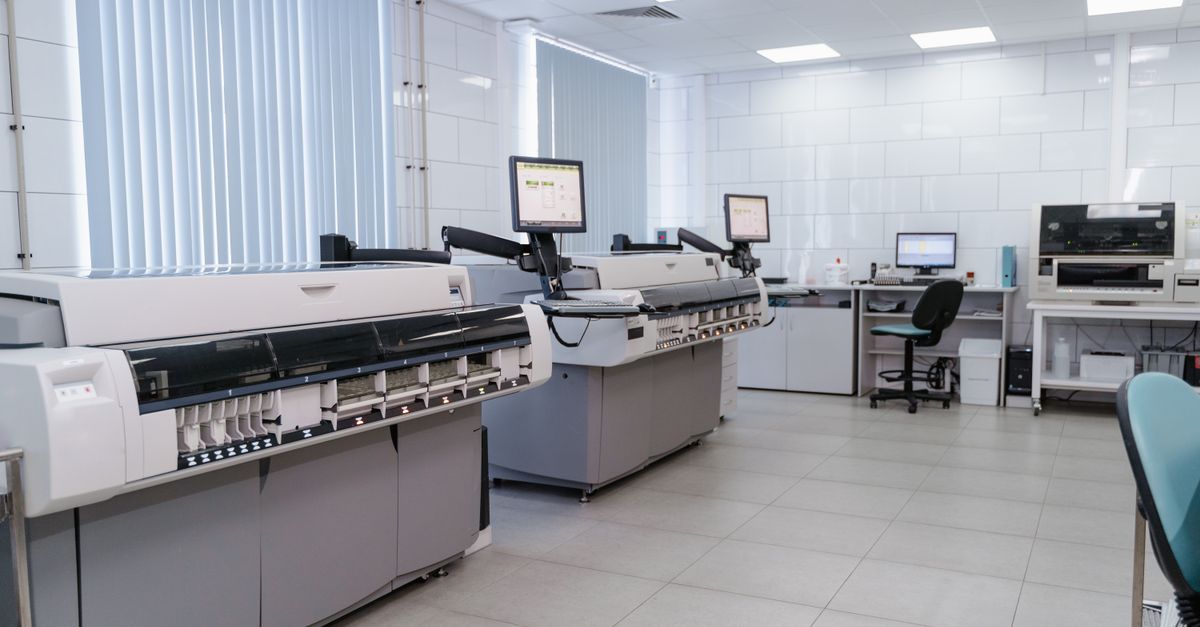
India's medical device sector challenges a draft bill equating devices with pharmaceuticals, citing risks to innovation and investment.
The Indian medical device industry has expressed strong opposition to the proposed Drugs, Medical Devices and Cosmetics Bill, 2026, which aims to regulate medical devices in a manner similar to pharmaceuticals. Industry leaders and healthcare providers argue that this approach could significantly impede innovation and investment, potentially derailing India's aspirations to become a global leader in medical device manufacturing.
Industry Concerns Over Regulatory Approach
Key stakeholders, including associations of manufacturers and healthcare providers, have formally reached out to the Union Health Minister, articulating their concerns. They argue that medical devices, being engineering products, fundamentally differ from pharmaceuticals and should not be subjected to the same regulatory framework. The draft bill's use of drug-centric terminology such as "adulterated" and "spurious" has drawn particular criticism, with industry representatives highlighting the inappropriate application of pharmaceutical-style criminal penalties to engineering deviations.
“The draft continues to treat medical devices as an adjunct to pharmaceuticals, despite clear scientific, engineering, and regulatory distinctions between the two categories,” stated a letter from the associations, which was submitted on August 8. The letter emphasizes the need for a regulatory foundation that supports growth, innovation, and global competitiveness in the medical device sector.
Potential Impact on Manufacturing and Investment
Industry experts caution that the draft bill's stringent penalties could deter investment and manufacturing. The proposed legislation includes imprisonment terms ranging from one to seven years for issues such as labelling errors and documentation lapses, even when no harm occurs. This approach, they argue, contrasts sharply with international norms where administrative enforcement, rather than criminal penalties, is the standard practice.
Globally, countries like the United States, the European Union, and Japan regulate medical devices through risk-based assessments and quality management systems, focusing on post-market surveillance and recalls rather than punitive measures. The draft bill's departure from these international standards could, according to industry insiders, undermine India's competitiveness in the global market.
Calls for a Revised Regulatory Framework
The medical device sector is advocating for a revised regulatory approach that aligns with international best practices. By adopting a risk-based model and focusing on quality and safety, they believe India can foster a more conducive environment for innovation and investment. This call for reform comes at a crucial time as the draft bill undergoes inter-ministerial consultation, with stakeholders urging a reconsideration of its provisions.
The ongoing debate highlights the critical balance between ensuring patient safety and fostering an environment that encourages technological advancement and economic growth. As the government evaluates feedback from various industry groups, the outcome of this legislative process will be pivotal in shaping the future trajectory of India's medical device industry.