
Medical Device Industry Opposes Draft Bill Over Pharma Regulation
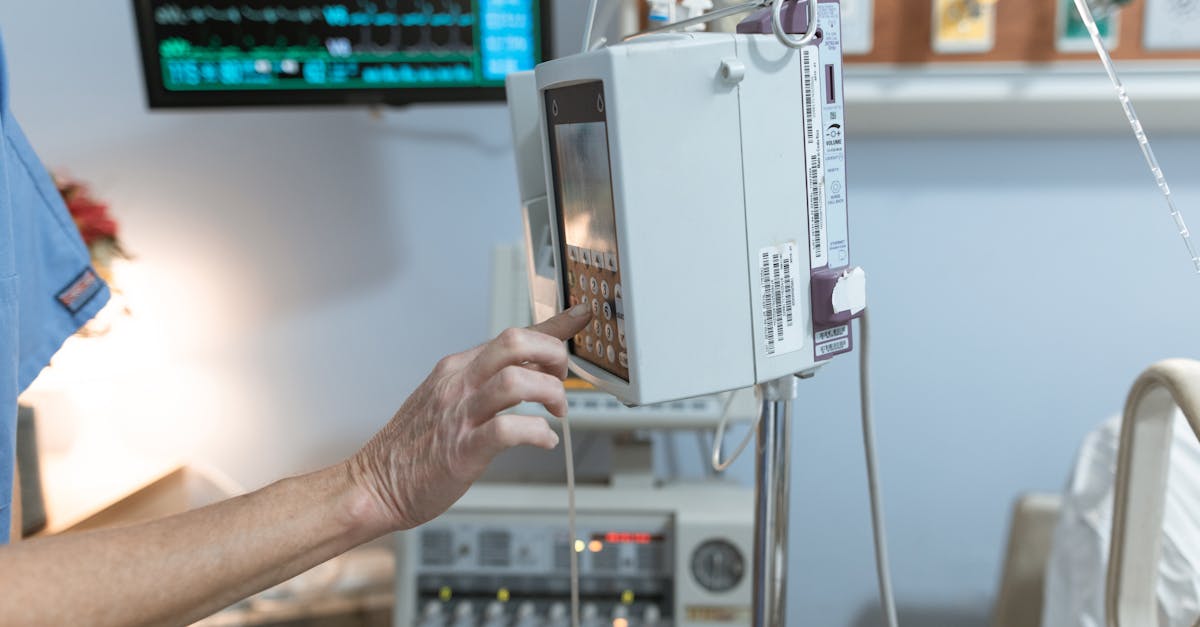
India's medical device sector challenges a draft bill equating devices with drugs, citing potential harm to innovation and manufacturing.
The Indian medical device industry, along with healthcare providers and patient safety groups, is raising strong objections to the draft Drugs, Medical Devices and Cosmetics Bill, 2026. The opposition centers on the bill's approach of categorizing medical devices similarly to pharmaceuticals, which industry insiders argue could stifle manufacturing, innovation, and investment.
Industry Concerns Over Regulatory Approach
Numerous associations representing various stakeholders have formally addressed the Union Health Minister, warning that the bill could undermine India's potential to become a global leader in medical device manufacturing. The draft legislation is currently under inter-ministerial review, aiming to replace an 86-year-old law governing pharmaceutical regulations. However, industry voices argue that medical devices, which are fundamentally engineering products, should not be regulated as drugs.
The letter to the health ministry, dated August 8, highlights that the draft fails to establish a regulatory framework conducive to growth and global competitiveness in the medical devices sector. It criticizes the bill for using pharmaceutical-centric terminology like "adulterated," "spurious," and "misbranded," and for imposing severe penalties, including imprisonment, for regulatory lapses that are typically managed through administrative measures in other countries.
Global Standards and Local Implications
Internationally, the regulation of medical devices involves risk-based assessments, quality management systems, and post-market surveillance rather than the criminal penalties suggested in the draft bill. The industry points out that regions such as the EU, the US, Japan, the UK, and Australia rely on administrative enforcement rather than criminalization for compliance issues.
The draft bill proposes imprisonment ranging from one to seven years for errors related to labeling, documentation, licensing, post-market surveillance reporting, and engineering defects, even if no harm occurs. This approach, critics argue, is not aligned with global best practices and could deter investors, thereby impacting India's burgeoning medical device sector.
Call for Rethink and Reform
Stakeholders are urging the government to reconsider the draft's current provisions and adopt a regulatory framework that recognizes the distinct nature of medical devices compared to pharmaceuticals. They emphasize the need for a supportive environment that fosters innovation and growth in the sector.
The draft's potential impact on India's ambitions to establish itself as a global hub for medical device production underscores the importance of a balanced and effective regulatory approach. As the consultation process continues, the industry remains hopeful for amendments that will better align with international standards and support the sector's development.