
Medical Device Industry Opposes Draft Bill Equating Devices with Drugs
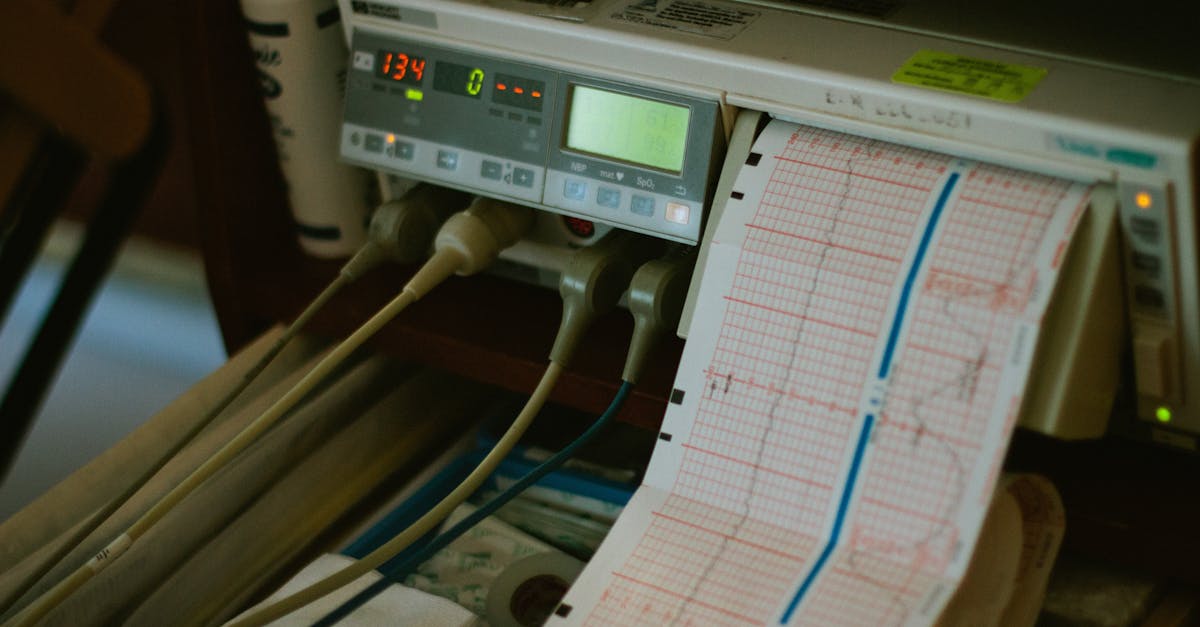
India's medical device sector criticizes draft bill for treating devices like drugs, warning it could hinder innovation and investment.
India's medical device industry is raising alarms over the draft Drugs, Medical Devices and Cosmetics Bill, 2026, which proposes to regulate medical devices in the same manner as pharmaceuticals. Industry leaders argue that this approach could stifle innovation and deter investment, thereby hampering the nation's goal of becoming a global leader in medical device manufacturing.
Industry Pushback on Regulatory Approach
Medical device manufacturers, along with healthcare providers and patient safety groups, have voiced their concerns regarding the bill's language and regulatory framework. In a letter to the Union Health Minister dated August 8, 2026, various associations emphasized that medical devices are fundamentally different from pharmaceuticals, both scientifically and engineering-wise. The letter, seen by ET, warned that the proposed regulations could discourage manufacturing and investment in the sector.
The draft bill, yet to be finalized, aims to replace an 86-year-old law governing India's pharmaceutical regulations. However, critics argue that it fails to establish a suitable regulatory foundation for the distinct needs of the medical device industry. The bill's language, which includes terms like "adulterated," "spurious," and "misbranded," mirrors pharmaceutical regulations and imposes criminal penalties for regulatory lapses, which industry representatives say are inappropriate for engineering deviations.
Concerns Over Penal Provisions
The draft bill proposes severe penalties, including imprisonment of up to seven years for various infractions such as labeling errors, documentation mistakes, and licensing issues, even if these do not result in harm. Industry experts argue that such measures are not practiced in other major markets, including the European Union, United States, Japan, the United Kingdom, and Australia, where administrative enforcement is the norm.
Globally, medical device regulation typically involves risk-based conformity assessments, quality management systems, post-market surveillance, and recalls. The Indian draft bill's approach, according to industry voices, could lead to a chilling effect on innovation and growth.
Call for a Separate Regulatory Framework
Industry leaders are advocating for a regulatory framework that acknowledges the unique characteristics of medical devices. They urge the government to adopt globally recognized standards that focus on risk management and quality assurance rather than punitive measures. The associations have called for further consultation with stakeholders to develop a regulatory environment conducive to growth and innovation.
The draft bill is currently under inter-ministerial review, and stakeholders are hopeful that their feedback will be considered in shaping a policy that supports the medical device industry's potential to thrive. As the draft progresses, the industry remains vigilant, emphasizing the need for a regulatory approach that aligns with international best practices.