
Medical Device Industry Opposes Draft Bill Equating Devices to Drugs
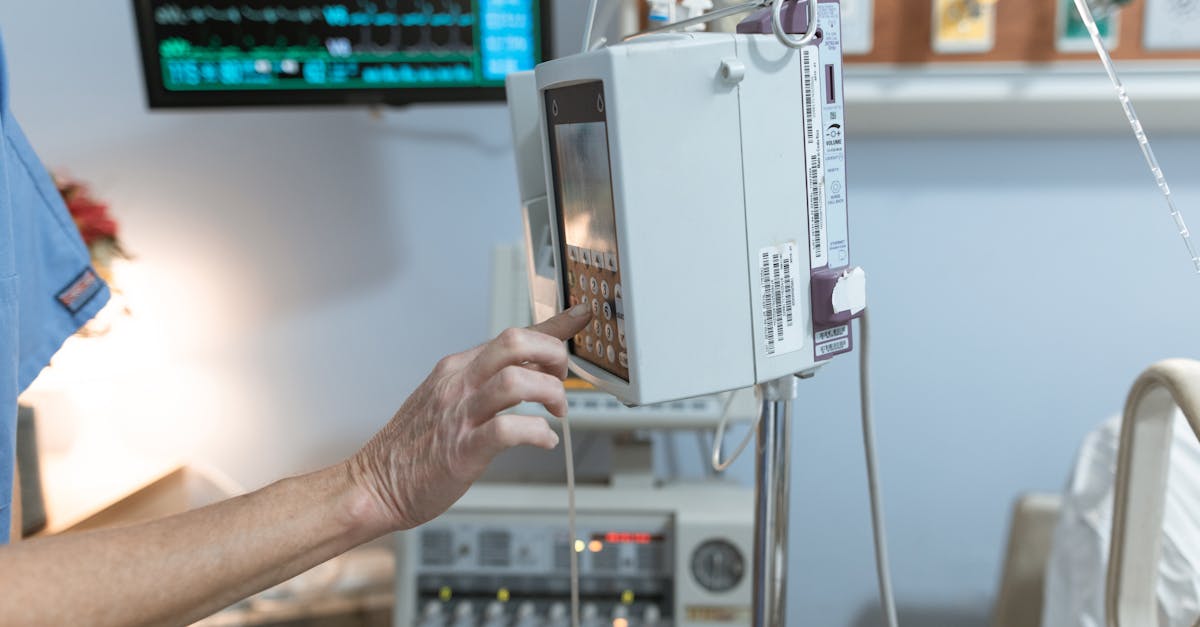
India's medical device industry criticizes a draft bill that treats devices like pharmaceuticals, fearing it will stifle innovation.
The Indian medical device industry, alongside various healthcare groups, has voiced strong opposition to the draft Drugs, Medical Devices, and Cosmetics Bill, 2026, which proposes to regulate medical devices under the same framework as pharmaceuticals. Industry representatives argue that this approach could severely impact manufacturing, investment, and innovation within the sector.
Industry's Concerns Over Regulatory Approach
Associations representing manufacturers, traders, and healthcare providers have formally expressed their discontent to the Union Health Minister. They argue that the draft bill's approach of equating medical devices with pharmaceuticals disregards the fundamental differences between the two, both in terms of their scientific and engineering nature. The bill's language, which includes terms like "adulterated," "spurious," and "misbranded," traditionally associated with pharmaceuticals, is seen as inappropriate for engineering products like medical devices.
Potential Impact on Innovation and Investment
The medical device sector fears that the bill's provisions could deter investment and hinder India's goal of becoming a global hub for medical devices. The industry's letter, dated August 8, highlights that the draft does not establish a regulatory framework conducive to growth and innovation. Instead, it imposes pharmaceutical-style criminal penalties for regulatory lapses, such as labeling errors or documentation issues, even when these do not result in harm.
This contrasts with global practices where regulatory bodies such as the EU MDR, US FDA, Japan PMDA, UK MHRA, and Australia TGA emphasize administrative enforcement through risk-based assessments and quality management systems, rather than criminalization.
Call for Revised Regulatory Framework
The draft bill is currently under inter-ministerial consultation. The medical device industry is urging a re-evaluation of the proposed regulations, advocating for a framework that recognizes the unique nature of medical devices. They argue that appropriate regulation should focus on risk-based conformity assessments and post-market surveillance, aligning with international standards to foster a competitive and innovative environment.
The ongoing debate underscores the broader challenges India faces in balancing regulatory oversight with the need to stimulate growth and innovation in its burgeoning medical devices sector.