
Medical Device Industry Challenges Regulatory Draft Bill in India
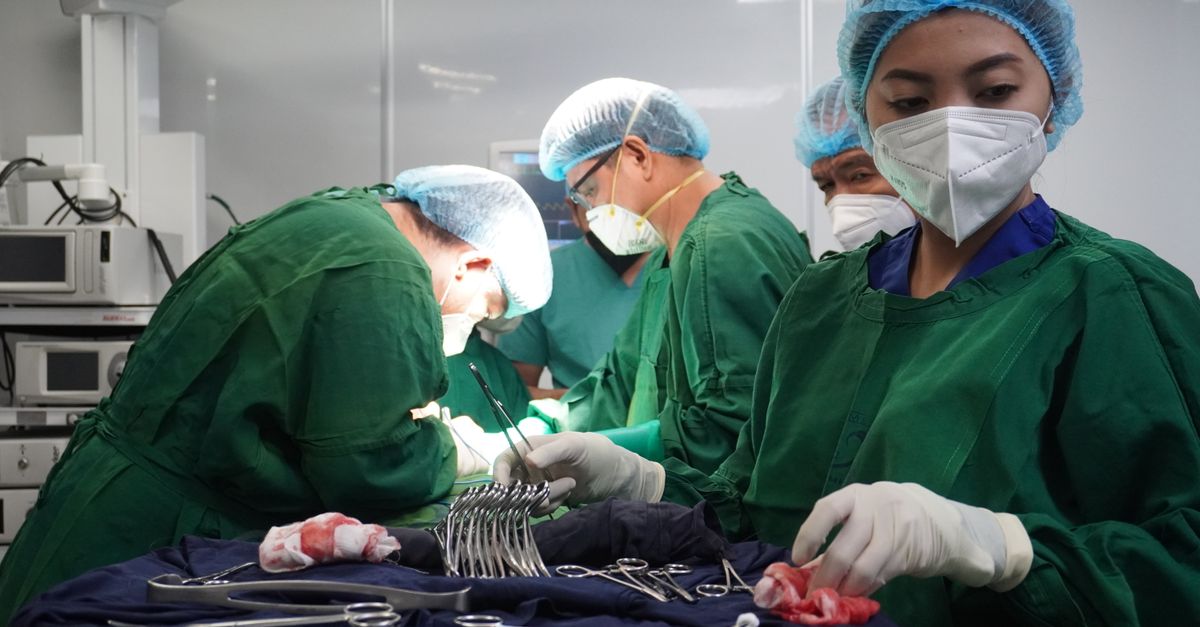
India's medical device sector opposes a draft bill equating devices with drugs, citing potential harm to innovation and investment.
India's medical device industry is voicing strong opposition to the draft Drugs, Medical Devices and Cosmetics Bill, 2026, which proposes treating medical devices similarly to pharmaceuticals. The industry, along with patient safety groups and healthcare providers, argues that this approach could severely impact manufacturing, investment, and innovation in the sector.
Concerns Over Regulatory Approach
Industry representatives have expressed alarm at the draft bill's framework, which they argue fails to recognize the fundamental differences between medical devices and pharmaceutical products. The bill includes provisions for criminal penalties for regulatory lapses, such as labeling errors and documentation issues, which are seen as disproportionate and potentially damaging to the growth of the sector.
In a letter to the Union Health Minister, various associations representing manufacturers, traders, and healthcare providers have urged a reconsideration of the draft. They highlight that treating medical devices as adjuncts to pharmaceuticals does not align with global regulatory practices, where devices are managed through risk-based assessments and quality management systems.
Potential Impact on India's Medical Device Hub Ambitions
The draft bill's current wording, which includes terms like "adulterated" and "spurious," along with the application of pharmaceutical-style criminalization to engineering deviations, has raised concerns about its impact on India's aspirations to become a global hub for medical devices. The industry fears that such regulations could deter investment and discourage innovation, ultimately hindering India's competitive edge in the global market.
Globally, regulatory bodies such as the EU MDR, US FDA, and others employ administrative enforcement rather than criminal penalties for similar regulatory lapses. The Indian draft bill, however, proposes imprisonment ranging from one to seven years for issues that may not cause harm, a stance that the industry finds troubling.
The draft bill is currently undergoing inter-ministerial consultation, and the medical device industry is hopeful that their concerns will lead to amendments that better support the sector's growth and align with international standards.