
Medical Device Industry Challenges India's Draft Bill on Regulations
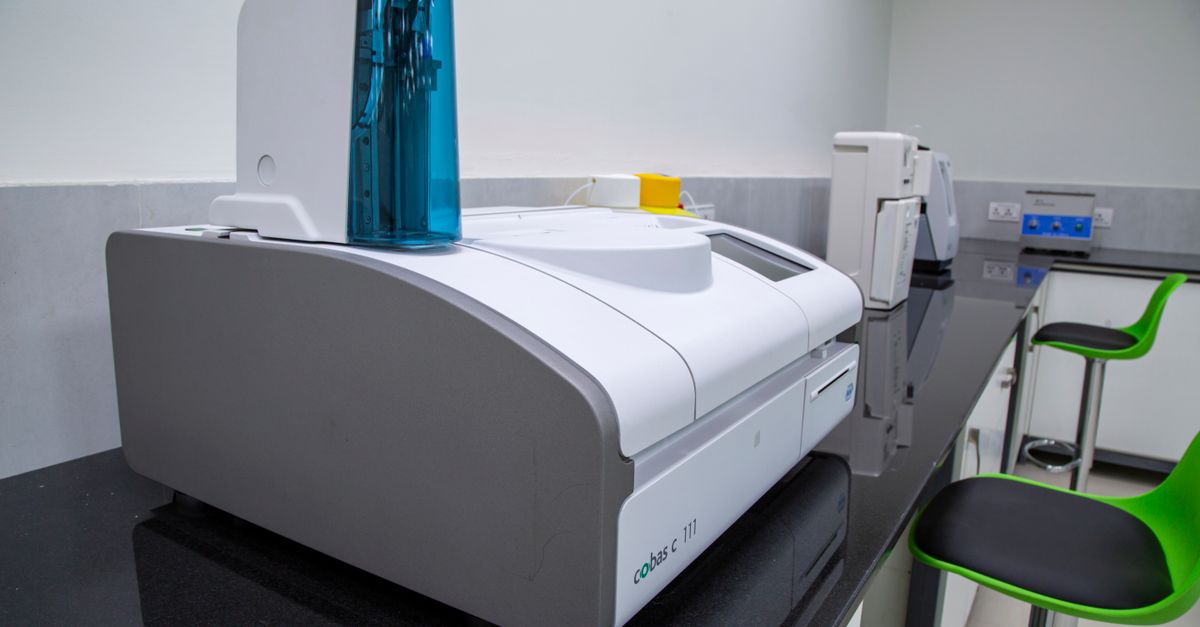
Industry opposes draft bill treating devices as drugs, warns of impact on innovation.
India's medical device industry is voicing strong opposition to the proposed Drugs, Medical Devices, and Cosmetics Bill, 2026, arguing that it inaccurately equates medical devices with pharmaceuticals. Industry leaders warn that this could stifle innovation and investment, potentially hindering India's aspirations to become a global hub for medical device manufacturing.
Industry Concerns Over Regulatory Approach
Stakeholders, including manufacturers, healthcare providers, and patient safety groups, have expressed concerns over the draft bill's regulatory approach. They argue that medical devices, which are engineering products, require a distinct regulatory framework separate from pharmaceuticals. The draft bill's use of terms such as "adulterated," "spurious," and "misbranded," traditionally associated with drugs, has raised alarms.
The industry's concerns are compounded by the bill's imposition of criminal penalties for regulatory lapses. These penalties include imprisonment for up to seven years for issues such as labeling errors and documentation mistakes, even if no harm results. Critics point out that this approach is not aligned with international practices, where administrative enforcement is preferred.
Calls for Policy Rethink
In a letter dated August 8, industry associations urged the Union Health Minister to reconsider the draft bill. They argue that the current draft does not provide the necessary regulatory foundation for the medical devices sector to thrive. The letter emphasizes the need for a regulatory framework that supports growth, innovation, and competitiveness on a global scale.
Globally, medical devices are regulated through risk-based conformity assessments, quality management systems, and post-market surveillance rather than criminal penalties. The industry points to models like the EU Medical Device Regulation (MDR), the US Food and Drug Administration (FDA), and other international standards as more appropriate frameworks.
Impact on India's Medical Device Aspirations
The draft bill's approach could deter investment and discourage domestic manufacturing, stakeholders warn. India's ambitions to position itself as a leader in the medical device sector are at risk if the bill is implemented in its current form. Stakeholders are calling for a regulatory environment that encourages innovation and aligns with global best practices.
The draft bill is currently undergoing inter-ministerial consultation, and the industry's feedback is expected to play a crucial role in shaping the final legislation. As the debate continues, the medical device industry remains hopeful for a regulatory framework that recognizes the unique nature of medical devices and supports the sector's growth.