
Medical Device Industry Challenges India's Draft Bill on Regulation
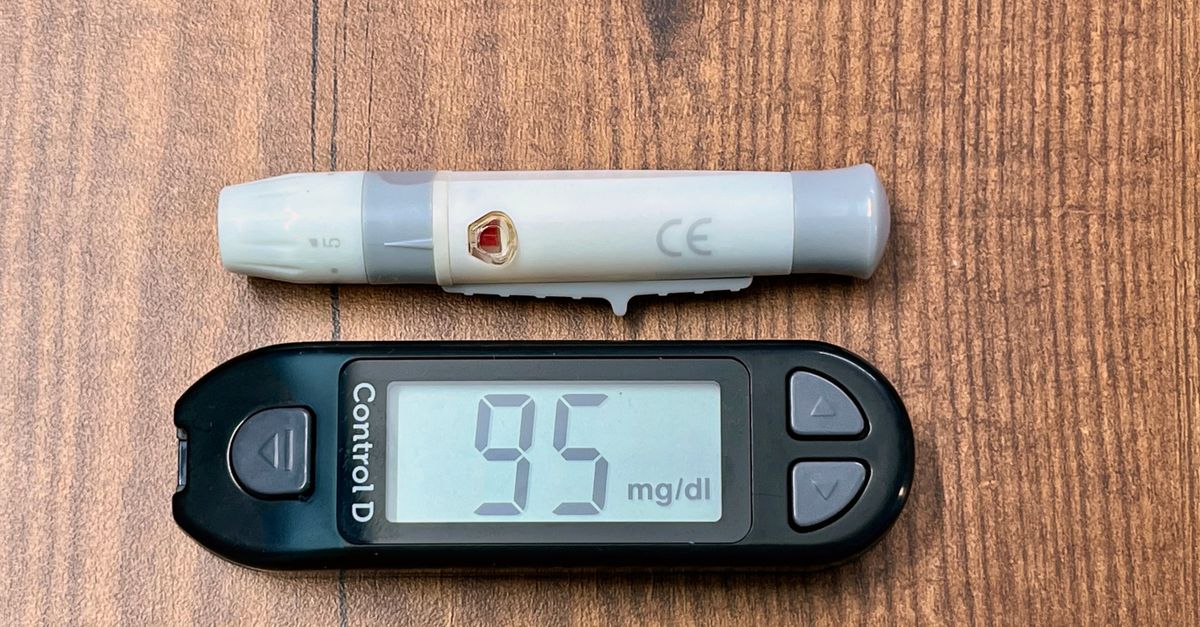
India's medical device sector opposes a draft bill treating devices as pharmaceuticals, fearing it will stifle innovation.
India's medical device industry and associated healthcare groups are voicing strong opposition to the draft Drugs, Medical Devices and Cosmetics Bill, 2026. Stakeholders argue that the proposed legislation, which aligns medical device regulation with pharmaceutical standards, could negatively impact manufacturing, investment, and innovation within the sector.
Industry Pushback Against Regulatory Overhaul
Several industry associations, representing manufacturers, traders, and healthcare providers, have expressed concerns over the new draft. In a letter dated August 8, addressed to the Union Health Minister, these groups urged a reconsideration of the bill's provisions. They argue that the current draft does not create the necessary regulatory environment for the medical devices sector to thrive and compete on a global scale.
The primary contention is that the bill treats medical devices as an extension of pharmaceuticals, despite fundamental differences in their scientific, engineering, and regulatory frameworks. The industry emphasizes that medical devices are engineering products, not drugs, and therefore should not be regulated under the same stringent conditions applied to pharmaceuticals.
Concerns Over Penal Provisions
One of the most contentious aspects of the draft bill is the imposition of criminal penalties for regulatory lapses, which the industry fears could stifle innovation and deter investment. The bill proposes imprisonment ranging from one to seven years for errors related to labeling, documentation, licensing, and post-market surveillance reporting, even in cases where no harm occurs.
Industry representatives argue that such punitive measures are not in line with global standards. They point out that regulatory bodies in regions like the European Union, the United States, Japan, the United Kingdom, and Australia favor administrative enforcement over criminal penalties for regulatory non-compliance in the medical devices sector.
Call for a Separate Regulatory Framework
In their communication with the government, industry groups have highlighted the need for a distinct regulatory framework tailored specifically to medical devices. They advocate for a system that includes risk-based conformity assessments, quality management systems, and post-market surveillance similar to international practices.
The draft bill, currently under inter-ministerial consultation, aims to replace the 86-year-old law governing India's pharmaceutical regulations. However, the medical device industry insists that treating their products as pharmaceuticals could hinder India's goal of becoming a leading global hub for medical device manufacturing and innovation.
As discussions continue, stakeholders are hopeful that the government will consider their concerns and work towards a regulatory framework that supports growth and innovation in India's medical devices sector.