
Medical Device Industry Challenges Draft Bill Treating Devices as Drugs
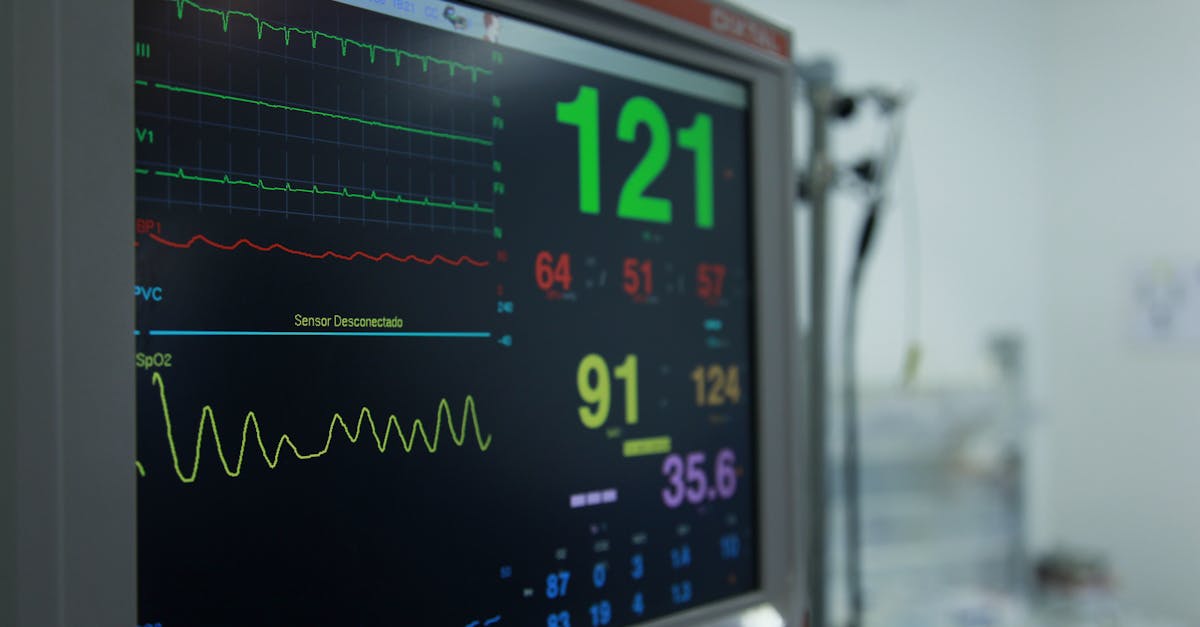
India's medical device sector opposes draft legislation equating devices with drugs, citing potential harm to innovation and investment.
India's medical device industry is pushing back against the proposed Drugs, Medical Devices and Cosmetics Bill, 2026, which it argues wrongly categorizes medical devices as pharmaceutical products. Industry leaders, patient safety groups, and healthcare providers have voiced concerns that this approach could inhibit manufacturing, innovation, and investment in the sector.
Industry Concerns Over Regulatory Approach
In a letter sent to the Union Health Minister, various associations representing manufacturers, traders, and healthcare providers have criticized the draft bill's provisions. They argue that medical devices, which are engineering products, cannot be regulated under the same framework as pharmaceuticals. The associations warn that the bill's drug-centric language and criminal penalties for regulatory lapses could deter investment and stifle India's aspirations to become a global hub for medical devices.
The draft bill, currently under inter-ministerial review, aims to update the 86-year-old law governing pharmaceuticals in India. However, industry representatives contend that the bill fails to establish a suitable regulatory foundation for the medical devices sector. They emphasize the need for a distinct approach that recognizes the scientific and engineering differences between medical devices and drugs.
Potential Impact on Manufacturing and Innovation
The draft legislation has drawn criticism for its use of terms like "adulterated," "spurious," and "misbranded," which are traditionally associated with pharmaceuticals. The proposal to impose criminal penalties, including imprisonment for labeling errors, documentation mistakes, and other regulatory lapses, has sparked particular concern. Industry stakeholders argue that such punitive measures are not common practice in other major markets, such as the European Union, the United States, and Japan, where administrative enforcement is typically used.
Globally, medical devices are regulated through risk-based conformity assessments, quality management systems, and post-market surveillance. The proposed bill, however, suggests imprisonment for regulatory violations, even when no harm has occurred, which could discourage innovation and growth in the sector.
Calls for a Revised Regulatory Framework
The medical device industry is calling for a regulatory framework that aligns with international standards and practices, focusing on risk management and quality assurance rather than punitive measures. Industry leaders believe that such a framework would better support the development and competitiveness of India's medical device sector on the global stage.
As the draft bill undergoes further consultation, industry groups hope for revisions that will address their concerns and foster an environment conducive to innovation, investment, and growth in the medical devices sector.