
Medical Device Industry Challenges Draft Bill Treating Devices as Drugs
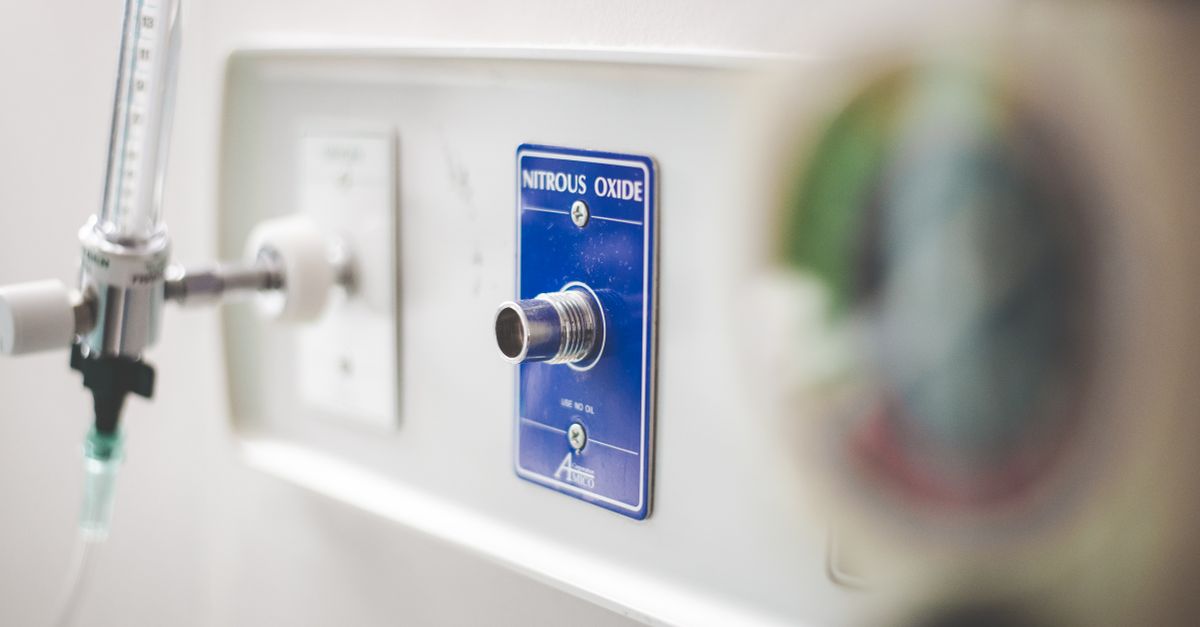
India's medical device sector opposes a draft bill equating devices with drugs, citing potential harm to manufacturing and innovation.
India's medical device industry is raising concerns over the proposed Drugs, Medical Devices and Cosmetics Bill, 2026, arguing that it erroneously equates medical devices with pharmaceuticals. Industry stakeholders warn that the draft bill could stifle innovation and deter investment by imposing pharmaceutical-style regulations and penalties on medical device manufacturers.
Industry Pushback Against Drug-Like Regulations
Representatives from the medical device sector, along with patient safety groups and healthcare providers, have expressed their opposition to the draft bill. In a letter to the Union health minister dated August 8, these groups emphasized that medical devices are fundamentally different from pharmaceuticals and should not be regulated as such. The letter, seen by The Economic Times, argues that the bill's approach could undermine India's goal of becoming a global hub for medical device manufacturing.
The draft legislation, currently under inter-ministerial review, aims to replace the existing 86-year-old law governing India's pharmaceutical regulations. However, critics point out that the bill continues to use drug-centric language and imposes severe penalties, including imprisonment for up to seven years, for regulatory lapses such as labeling errors or documentation issues, even when no harm is caused.
Calls for Risk-Based Regulation
The industry advocates for a regulatory framework that aligns with international standards. Globally, medical devices are typically governed by risk-based assessments, quality management systems, and post-market surveillance rather than criminal penalties. The draft bill's approach diverges from practices in regions like the European Union, United States, Japan, and Australia, where administrative enforcement is the norm.
In their communication, the associations argue that the draft bill lacks the necessary regulatory foundation to foster growth and innovation within India's medical device sector. They contend that the bill's treatment of medical devices as an adjunct to pharmaceuticals ignores the distinct scientific and engineering differences between the two categories.
Implications for India's Medical Device Sector
Stakeholders fear that the proposed regulations could discourage both domestic and international companies from investing in India's medical device industry. The sector is seen as a key area for economic growth and innovation, and the current draft bill could potentially set back these ambitions.
As the consultation process continues, industry leaders are urging the government to reconsider the bill's approach and develop a regulatory framework that recognizes the unique characteristics of medical devices. They argue that such a framework is essential for nurturing a competitive and innovative medical device industry in India.