
Measles Vaccine Remains Effective, Says icddr,b Report
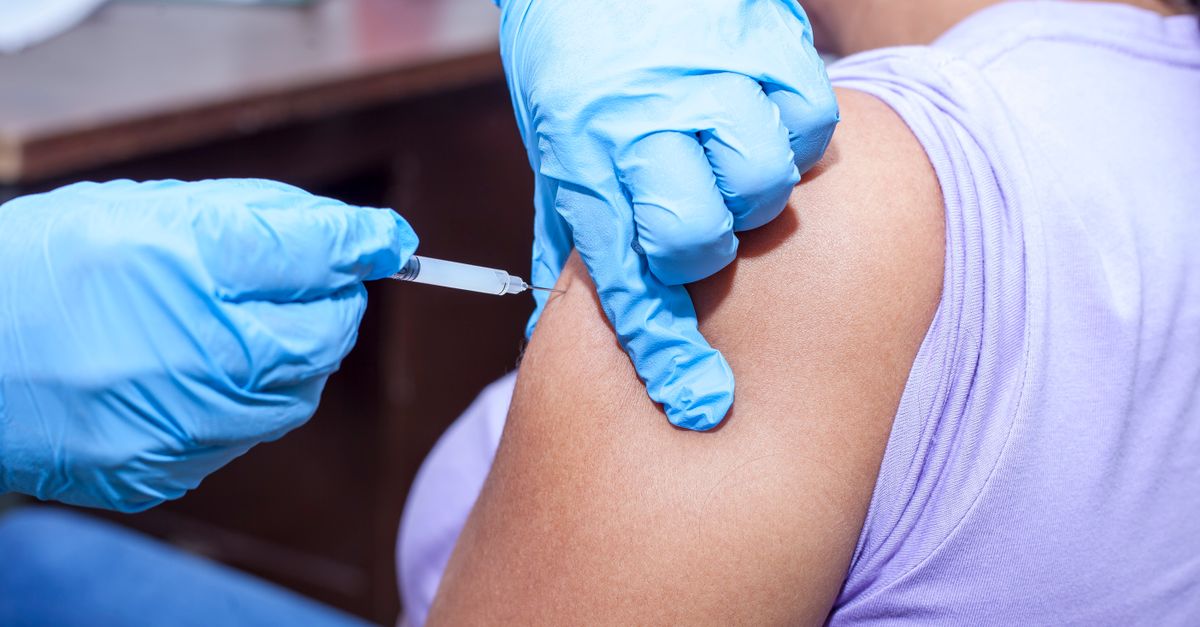
The icddr,b confirms that the measles vaccine continues to offer robust protection against the virus.
The International Centre for Diarrhoeal Disease Research, Bangladesh (icddr,b) has affirmed that the measles virus remains susceptible to current vaccine protocols, dispelling concerns about potential vaccine escape. This finding underlines the efficacy of the measles vaccine, which has been instrumental in reducing outbreaks globally.
Continued Vaccine Effectiveness
According to recent findings released by the icddr,b, there is no evidence suggesting that the measles virus is developing resistance to the vaccine. This assurance comes amidst rising global concerns over vaccine-resistant pathogens, particularly in the context of other infectious diseases.
The report emphasizes the importance of maintaining high vaccination coverage to prevent outbreaks. Measles, a highly contagious respiratory infection, can cause severe health complications but is preventable through effective immunization strategies.
Global Vaccination Efforts
Measles vaccination has led to a significant decline in cases worldwide. The World Health Organization (WHO) reports that measles vaccination resulted in a 73% drop in measles deaths between 2000 and 2019. Despite this success, gaps in vaccination coverage have led to periodic outbreaks in certain regions.
To address these gaps, the icddr,b and other health organizations continue to advocate for widespread immunization campaigns. These efforts are crucial in regions with limited healthcare infrastructure where outbreaks are more likely to occur.
Challenges and Future Directions
While the vaccine remains effective, challenges such as vaccine hesitancy and logistical barriers in vaccine distribution persist. Health authorities are working to overcome these issues through public education and improved healthcare delivery systems.
The icddr,b's findings reinforce the critical role of vaccines in controlling infectious diseases and highlight the need for ongoing research to monitor potential changes in virus behavior. Continuous surveillance is essential to ensure that vaccines remain effective against evolving pathogens.