
Maternal Vaccination: Safeguarding Newborns Through Immunization
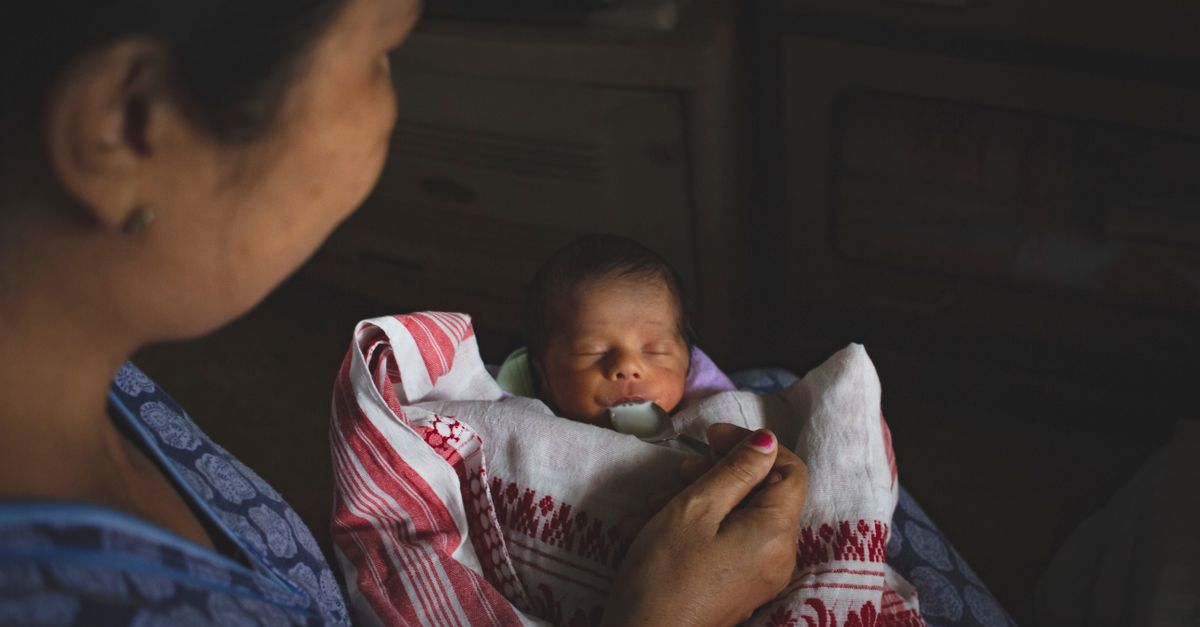
Maternal vaccines provide newborns with critical protection against infectious diseases, highlighting the importance of immunization during pregnancy.
Recent insights from the National Foundation for Infectious Diseases emphasize the critical role of maternal vaccination in safeguarding newborn health. As infections like pertussis and influenza pose serious risks to infants, immunizing mothers during pregnancy is a vital strategy to confer early protection to their babies.
The Science Behind Maternal Immunization
Pregnant women receiving vaccines not only protect themselves but also pass on antibodies to their unborn children. These antibodies offer newborns a defense mechanism against certain diseases during their first few months of life, a period when they are most vulnerable and unable to receive vaccinations themselves.
Health authorities recommend vaccines such as the influenza vaccine and the Tdap (tetanus, diphtheria, and acellular pertussis) during pregnancy. These vaccinations are timed to maximize the transfer of protective antibodies from mother to child.
Addressing Vaccine Concerns
Despite the benefits, some expectant mothers express concerns about the safety of vaccines during pregnancy. Extensive research supports their safety, showing no increased risk to the mother or fetus. The Centers for Disease Control and Prevention (CDC) and other health organizations advocate for maternal vaccination as a safe and effective measure to protect both mother and child.
Healthcare providers play a crucial role in educating pregnant women about the benefits of vaccination, dispelling myths, and addressing any apprehensions. Open communication between patients and healthcare professionals is essential to increase vaccination rates and enhance public health outcomes.
Global Implications and Public Health Strategies
Globally, maternal immunization is recognized as a key public health strategy. Organizations like the World Health Organization (WHO) are working to increase awareness and access to vaccines for pregnant women, particularly in low-resource settings where maternal and infant mortality rates are higher.
In addition to individual health benefits, maternal vaccination contributes to broader public health goals by reducing the incidence of diseases and preventing outbreaks. This underscores the importance of integrating maternal vaccination into routine prenatal care worldwide.
As researchers continue to explore vaccines for other infectious diseases during pregnancy, the potential for enhancing maternal and neonatal health grows. The ongoing development of vaccines and public health initiatives will likely expand the scope and impact of maternal immunization programs in the future.