
Maternal RSV Vaccine Proves Effective, Faces Uptake Challenges
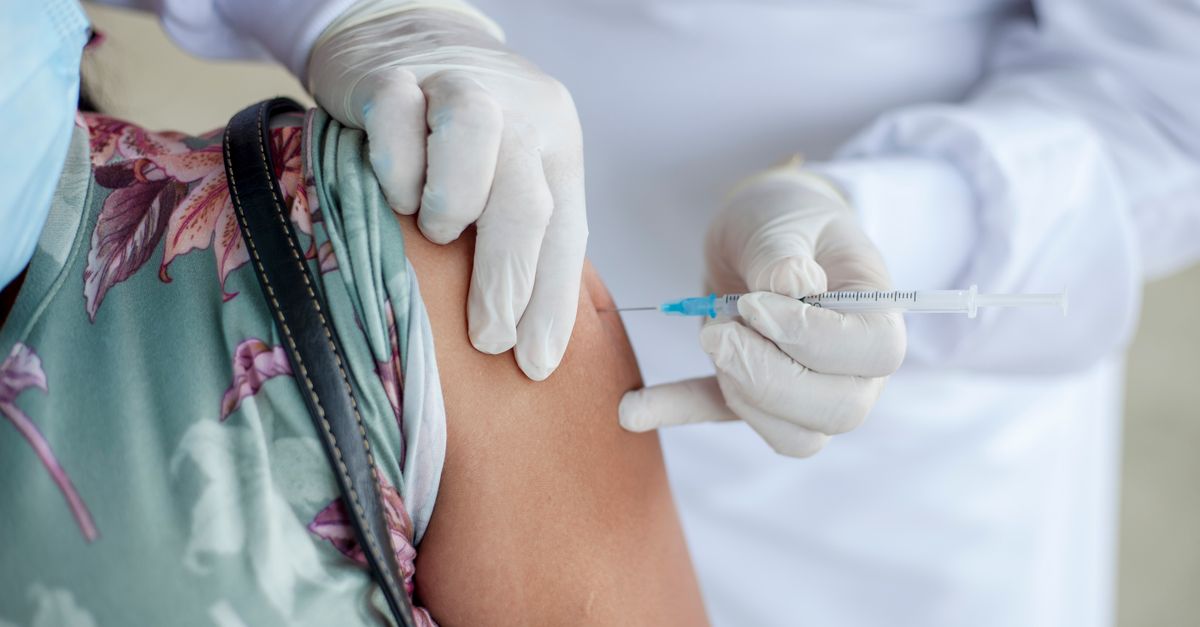
Real-world data confirms the effectiveness of maternal RSV vaccination, yet barriers to widespread adoption persist.
Recent studies underscore the effectiveness of maternal vaccinations against Respiratory Syncytial Virus (RSV) in protecting infants. However, achieving widespread adoption of these vaccines remains a significant hurdle.
Positive Outcomes from Maternal RSV Vaccination
Research published by Hospital Healthcare Europe highlights that maternal RSV vaccines are effective in real-world settings, significantly reducing the risk of severe RSV infections in newborns. These vaccines work by immunizing pregnant women, which in turn provides antibodies to the fetus, offering protection after birth.
The World Health Organization (WHO) has also recognized the potential of these vaccines. The WHO recently prequalified a multi-dose RSV vaccine vial, a move aimed at increasing accessibility and protecting more infants globally. This endorsement is expected to facilitate the distribution of these vaccines in lower-income regions, where RSV poses a significant threat to infant health.
Barriers to Widespread Adoption
Despite the proven benefits, several barriers hinder the uptake of maternal RSV vaccines. A major challenge is the lack of awareness among pregnant women and healthcare providers about the availability and importance of this vaccination. Additionally, issues such as vaccine cost and distribution logistics, especially in remote and underserved areas, exacerbate the problem.
Efforts to address these barriers are underway, with organizations like Gavi, the Vaccine Alliance, advocating for the use of multidose vials to reduce costs and improve distribution efficiency. Such measures are seen as essential in scaling up vaccination programs in regions most affected by RSV.
Global Efforts and Future Prospects
The WHO's backing of a lower-cost maternal RSV vaccine is a step towards making these vaccines more accessible. By lowering costs, the initiative aims to expand the reach of vaccination programs, thereby protecting more infants from RSV-related complications. The WHO's approval also aligns with global health strategies to reduce infant mortality rates attributed to infectious diseases.
As research continues to support the effectiveness of maternal RSV vaccines, public health campaigns and policy changes will be crucial in overcoming existing barriers. Enhanced education and advocacy could play a pivotal role in increasing vaccine uptake, ultimately leading to better health outcomes for newborns worldwide.