
Maternal Healthcare Challenges in New Orleans: A Growing Concern
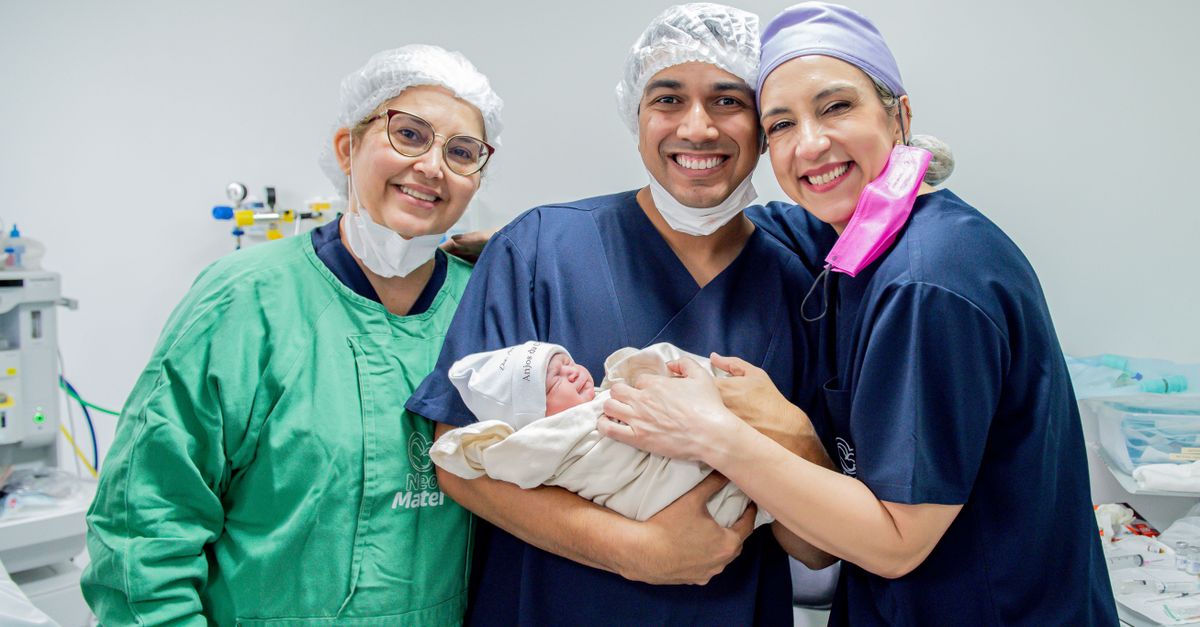
New Orleans faces significant maternal healthcare hurdles, highlighting disparities and systemic issues in the U.S. healthcare system.
New Orleans, a city known for its vibrant culture and history, is grappling with a less celebrated distinction: a troubling state of maternal healthcare. Despite the United States' advanced medical capabilities, maternal health in this Southern city mirrors a national crisis indicative of deeper systemic issues. As of 2023, Louisiana ranks among the worst states for maternal mortality, with New Orleans at the epicenter of this alarming trend.
Why New Orleans Faces Unique Maternal Health Challenges
Several factors contribute to the maternal healthcare crisis in New Orleans. Economic disparities, racial inequities, and access to care are at the forefront. The city has a high poverty rate, with nearly 23% of residents living below the federal poverty line, according to the U.S. Census Bureau. This economic hardship directly impacts healthcare access, as many women cannot afford the necessary prenatal and postnatal care.
Moreover, the racial disparities are stark. African American women in New Orleans are disproportionately affected, experiencing maternal mortality rates nearly four times higher than their white counterparts, as reported by the CDC. These figures reflect a broader national issue but are exacerbated in New Orleans due to historical and systemic racial inequalities.
The Role of Healthcare Systems and Policy
The New Orleans healthcare system faces challenges that are both structural and policy-driven. Medicaid expansion under the Affordable Care Act (ACA) has improved access to some extent, yet gaps remain. Many women still fall through the cracks due to bureaucratic hurdles and a lack of comprehensive coverage for maternal care, particularly postpartum services.
Local hospitals and clinics are often under-resourced, struggling to provide adequate care due to funding limitations and staff shortages. The Louisiana Department of Health has been working to address these issues, but progress is slow. The need for a robust policy response that includes increased funding and strategic planning is critical to reversing these trends.
Community Efforts and Grassroots Initiatives
Amidst these challenges, community-based organizations in New Orleans are stepping up to fill the gaps left by systemic failures. Initiatives like the New Orleans Breastfeeding Center and Birthmark Doula Collective are providing crucial support and education to expectant mothers, focusing on culturally competent care and advocacy.
These grassroots efforts aim to empower women with knowledge and resources, promoting healthier pregnancies and outcomes. However, while these organizations play a vital role, they cannot replace the need for systemic changes at the state and national levels.
What the Future Holds for Maternal Healthcare
Addressing maternal healthcare in New Orleans requires a multifaceted approach. Legislative reforms that prioritize maternal health funding, alongside initiatives that tackle socioeconomic and racial disparities, are essential. The federal government, through agencies like the Health Resources and Services Administration (HRSA), must increase support to local health departments and community programs.
Furthermore, integrating technology and data analytics can help track and address health disparities more effectively. By leveraging data-driven solutions, healthcare providers can better identify at-risk populations and allocate resources where they are most needed.
As New Orleans and the broader U.S. healthcare system confront these challenges, there is an opportunity to turn the tide. By focusing on equitable access to care, improved healthcare infrastructure, and policy reforms, maternal healthcare in New Orleans could become a model of resilience and progress.