
Maharashtra's Role as a Pillar in India's Government Healthcare
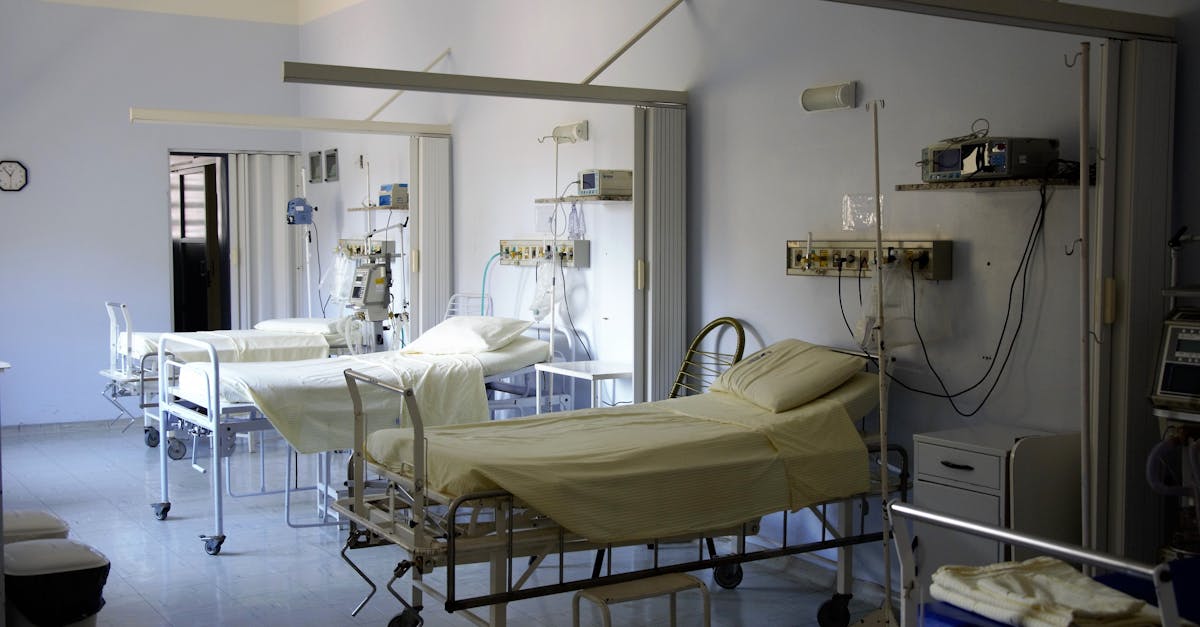
Maharashtra stands out in India for its extensive government healthcare services, driven by strategic initiatives and robust infrastructure.
Maharashtra, India's second-most populous state, has emerged as a formidable force in the provision of government healthcare services. With a population exceeding 123 million, the state has laid down a vast network of healthcare facilities aimed at improving the well-being of its residents. The government's commitment to healthcare is evident in its strategic initiatives and the integration of innovative technologies to enhance service delivery.
Expansive Infrastructure and Accessibility
One of Maharashtra's key strengths is its extensive healthcare infrastructure. The state boasts over 2,500 primary health centers, 400 rural hospitals, and numerous district hospitals, making healthcare accessible to both urban and rural populations. This network ensures that even the remotest villages have access to basic healthcare amenities. The state government has invested significantly in upgrading these facilities to handle a wide range of medical conditions, thereby reducing the need for patients to travel long distances for specialized care.
Strategic Initiatives in Public Health
Maharashtra’s government has launched several strategic initiatives aimed at addressing specific public health challenges. For instance, the 'Mahatma Jyotiba Phule Jan Arogya Yojana' provides health coverage to economically vulnerable sections, covering over 800 medical procedures. This scheme has been instrumental in providing financial protection and reducing out-of-pocket expenditures for millions of families.
Additionally, the state has implemented robust immunization programs, maternal and child health services, and campaigns against communicable diseases such as tuberculosis and malaria. These initiatives have significantly improved health outcomes, evidenced by declining mortality rates and increased life expectancy across the state.
Technological Integration in Healthcare Services
In recent years, Maharashtra has embraced technology to enhance the efficiency and reach of its healthcare services. The introduction of telemedicine has been a game-changer, especially in rural areas where access to specialist doctors is limited. By utilizing digital platforms, patients can consult specialists without the need for physical travel, saving time and costs.
The state government has also adopted electronic health records to streamline patient data management, ensuring better coordination among healthcare providers. These technological advancements have not only improved patient care but also contributed to more efficient resource management within the healthcare system.
Challenges and the Road Ahead
Despite these advancements, Maharashtra's healthcare system faces several challenges, including workforce shortages and financial constraints. The ratio of healthcare workers to patients remains below the national average, affecting service delivery, particularly in rural areas. The government is actively working on training and deploying more healthcare professionals to bridge this gap.
Financial sustainability is another pressing issue, with the government exploring various models of public-private partnerships to infuse additional resources into the healthcare system. Such collaborations could enhance service delivery and infrastructure development, ensuring that Maharashtra remains at the forefront of public healthcare provision in India.
As Maharashtra continues to navigate these challenges, its commitment to healthcare innovation and accessibility serves as a model for other states. The state's proactive approach in tackling healthcare issues will likely set benchmarks in public health initiatives across the country.