
Machine learning models for early cancer detection in India 2026
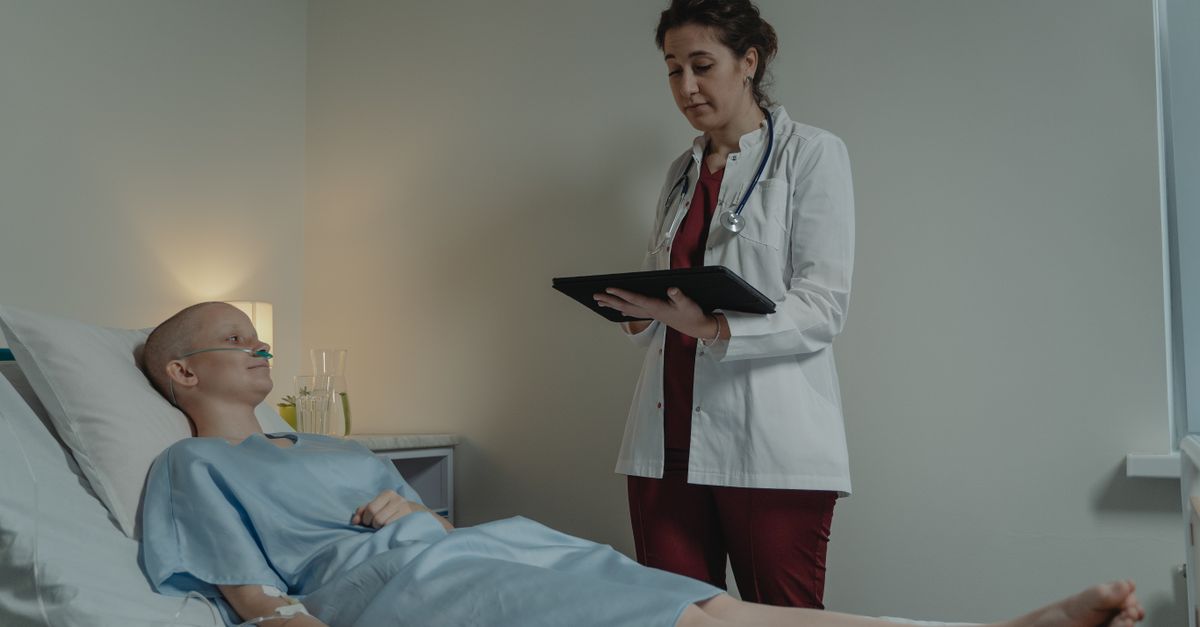
AI is transforming early cancer detection in India by 2026.
As India anticipates significant advancements in healthcare technology, 2026 is poised to be a transformative year for early cancer detection through machine learning. The integration of artificial intelligence (AI) and machine learning models is expected to drastically improve diagnostic accuracy and accessibility, making early detection of cancer more feasible than ever. With a growing burden of cancer cases in the country, these technological innovations offer hope in combating the disease through timely interventions.
Advancements in Machine Learning for Cancer Detection in 2026
In 2026, India is expected to witness notable developments in the realm of machine learning algorithms aimed at early cancer detection. Researchers and healthcare professionals are collaborating to create more sophisticated models that can analyze medical data with unprecedented precision. These advancements focus on leveraging vast datasets, including imaging, histopathology, and patient demographics, to train models that can identify cancerous cells at earlier stages. Such capabilities not only enhance diagnostic accuracy but also reduce false positives and negatives, crucial in a population where timely treatment can significantly improve outcomes.
Moreover, the deployment of AI-driven tools is expected to be more widespread in rural and underserved areas of India. Innovative partnerships between tech firms and healthcare providers are likely to facilitate the creation of mobile applications and telehealth platforms that incorporate machine learning for screening purposes. This democratization of access to advanced diagnostic technology could help bridge the gap in healthcare disparities prevalent in the country, allowing more individuals to benefit from early detection efforts.
Alongside these technical advancements, regulatory frameworks and ethical considerations will play a crucial role in shaping the landscape of AI in cancer detection. By 2026, it is anticipated that policymakers will have established guidelines to ensure that machine learning applications are used responsibly and effectively. This includes addressing data privacy concerns and ensuring algorithm transparency, ultimately fostering public trust in AI technologies that aim to improve healthcare outcomes.
The Role of AI in Transforming Early Cancer Diagnosis in India
AI's contribution to early cancer diagnosis is particularly significant in India, where late-stage diagnosis is a common challenge due to various factors, including lack of awareness and limited access to screening facilities. By 2026, machine learning models are expected to be integral components of a comprehensive healthcare strategy focusing on preventive measures. AI can analyze trends in patient data, identifying high-risk individuals who may benefit from targeted screening programs. This proactive approach could lead to earlier interventions, significantly improving survival rates.
Additionally, machine learning's ability to process and analyze large datasets allows for the development of personalized screening protocols. By incorporating variables such as genetic predispositions, lifestyle factors, and environmental exposures, these models can tailor recommendations for individuals. This personalized approach not only enhances the likelihood of early diagnosis but also aligns with the growing shift towards precision medicine in India’s healthcare landscape.
In conjunction with these advancements, public health initiatives are likely to leverage AI for educational campaigns aimed at increasing awareness about cancer symptoms and the importance of early detection. By 2026, the partnership between technology and community outreach efforts could lead to a more informed populace, encouraging proactive health-seeking behavior. This holistic integration of AI in early cancer diagnosis may serve as a game-changer in India's fight against cancer.
As we look ahead to 2026, the convergence of machine learning and healthcare holds immense promise for early cancer detection in India. With improved diagnostic models, personalized screening strategies, and effective public health initiatives, the healthcare landscape is set to evolve dramatically. While challenges remain, the ongoing collaboration among technologists, healthcare providers, and policymakers will be vital in harnessing the full potential of AI, ultimately saving lives and improving the quality of care in the country.