
The Persistent Challenge of Low Health Monitoring Among Indians
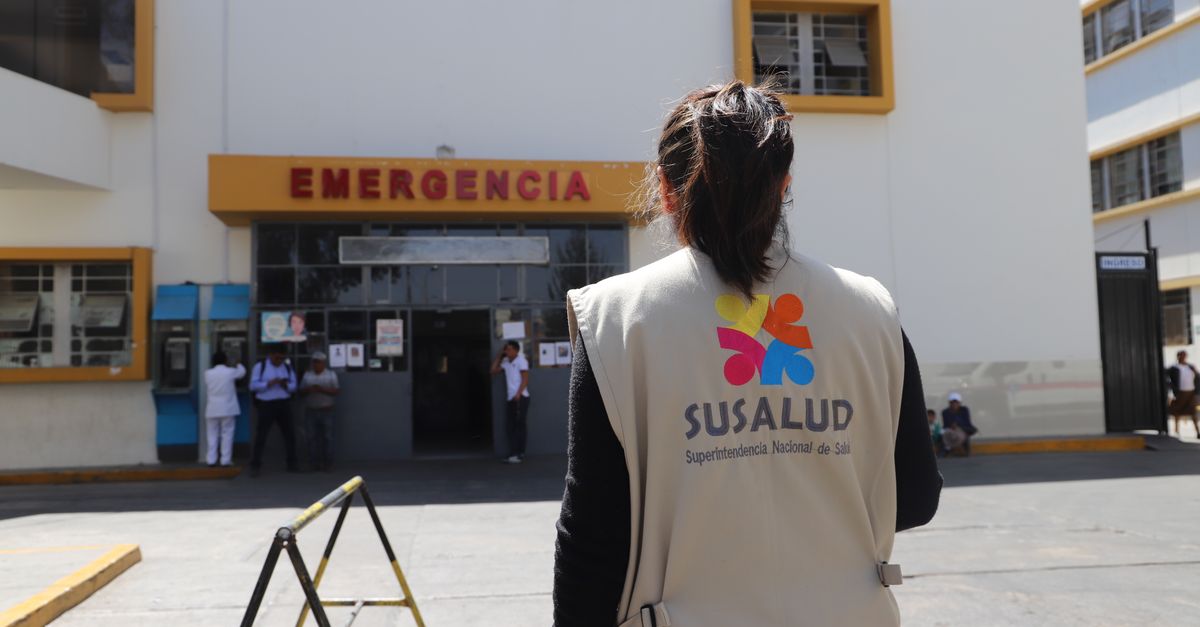
Despite advancements in healthcare, regular health monitoring remains low among Indians due to cultural, economic, and infrastructural barriers.
India, with its burgeoning population and rapidly evolving healthcare infrastructure, paradoxically struggles with low rates of regular health monitoring. Despite the country's advancements in medical technology and increasing awareness of preventive healthcare, a significant portion of the population still evades routine check-ups and screenings. This trend raises concerns about the overall effectiveness of health initiatives and the country's capacity to manage its public health.
Cultural Perceptions and Health Practices
Cultural factors significantly influence health monitoring practices in India. Many Indians only seek medical attention when symptoms become severe, a mindset rooted in traditional practices and economic realities. Preventive care, such as regular health check-ups, often takes a backseat to more immediate financial concerns. The belief that one should only visit a doctor in times of acute distress persists, contributing to the low uptake of routine health checks.
Additionally, there is a prevalent belief in traditional and alternative medicine systems, such as Ayurveda and homeopathy. While these practices have their merits and historical significance, they sometimes delay the pursuit of conventional health screenings, as individuals may rely on alternative treatments as a first line of defense against potential health issues.
Economic Barriers and Accessibility
Economic constraints further exacerbate the issue. Despite various government schemes aimed at making healthcare more affordable, the cost of regular health check-ups remains a deterrent for many Indians, particularly in rural areas. For a significant portion of the population living below the poverty line, spending on preventive healthcare is a luxury they cannot afford.
Moreover, healthcare infrastructure in many parts of the country, especially in rural and semi-urban areas, is still underdeveloped. The absence of nearby healthcare facilities and the cost of traveling to urban centers for check-ups further discourage regular health monitoring. This lack of accessibility means that even those who are aware of the importance of regular check-ups are often unable to act on this knowledge.
Government Initiatives and Public Health Campaigns
The Indian government has launched numerous initiatives to address these challenges, such as the Ayushman Bharat scheme, which aims to provide affordable healthcare to low-income families. However, these programs face obstacles in implementation and awareness. Many eligible individuals remain unaware of the benefits available to them or how to access these services.
Public health campaigns aiming to increase awareness of the benefits of regular health monitoring often face resistance due to misinformation and mistrust in government services. Improving the reach and effectiveness of these campaigns is crucial if they are to change ingrained perceptions and behaviors.
The Role of Technology and Innovation
Technology could play a transformative role in overcoming these barriers. The proliferation of smartphones and internet connectivity offers a unique opportunity to reach a wider audience with health information and services. Telemedicine and mobile health applications have the potential to bridge the gap between patients and healthcare providers, offering consultations and guidance without the need for physical travel.
Startups and tech companies in India are increasingly focusing on health tech solutions aimed at enhancing accessibility and affordability. However, the adoption of these technologies is uneven, with rural areas lagging behind urban centers. To maximize impact, efforts must focus on improving digital literacy and ensuring equitable access to technology across regions.
Looking Ahead: Bridging the Gap
To address the low levels of regular health monitoring in India, a multi-faceted approach is required. This involves enhancing public health education, improving the affordability and accessibility of healthcare services, and leveraging technology to reach underserved populations. Collaborations between the government, private sector, and non-governmental organizations will be essential in crafting and executing strategies that resonate with diverse communities across the country.
"In the end, the key to increasing regular health monitoring among Indians lies in creating a healthcare culture that prioritizes prevention over cure," says Dr. Anjali Mehta, a public health expert. "It's about shifting mindsets as much as it is about improving infrastructure."