
The Lifelong Benefits of Regular Health Screenings
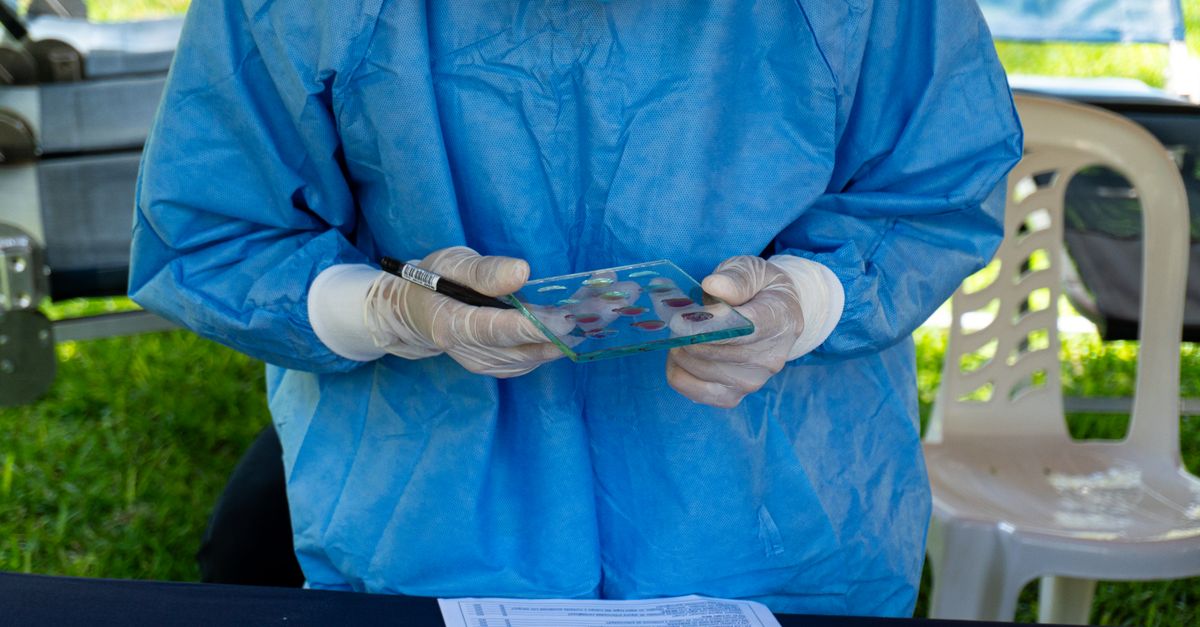
Regular health screenings can detect potential issues early, promoting long-term well-being and reducing healthcare costs.
In a world where medical advancements continue to push boundaries, the role of regular health screenings in maintaining long-term well-being shines ever brighter. These screenings serve as a proactive approach to healthcare, aiming to identify potential health issues before they manifest into more severe conditions. The emphasis today is not just on treatment but on prevention, and regular screenings are at the forefront of this preventive strategy.
Early Detection Saves Lives
One of the most compelling arguments for regular health screenings is their ability to catch diseases in their nascent stages. According to the American Cancer Society, early detection through screenings such as mammograms and colonoscopies can lead to a 30% reduction in mortality for certain types of cancer. Identifying a disease early often means that it can be treated more effectively, with a greater chance of a full recovery.
Beyond cancer, conditions like hypertension and diabetes often present no symptoms in their early stages. Regular screenings can uncover these silent threats, allowing for timely intervention. The Centers for Disease Control and Prevention (CDC) emphasizes that managing these conditions early can significantly reduce the risk of complications such as heart disease and stroke.
Cost-Effective Healthcare
While some might view regular screenings as an additional cost, they can actually lead to substantial savings over time. Treating a disease in its advanced stages is often far more expensive than managing it early on. For instance, the cost of treating advanced cancer is significantly higher than the expenses associated with regular screenings and early-stage treatment.
Insurance companies have taken note, increasingly covering preventive screenings under their policies. This shift not only benefits patients by reducing out-of-pocket expenses but also helps insurers by lowering the overall costs associated with long-term treatment of advanced diseases.
Improving Quality of Life
Health screenings do more than just detect diseases; they contribute to an overall improved quality of life. By identifying risk factors early, individuals can make informed lifestyle changes that enhance their health and well-being. For example, a person who learns they are at risk for type 2 diabetes might adopt a healthier diet and exercise regimen, effectively delaying or even preventing the onset of the disease.
Moreover, the peace of mind that comes from knowing one’s health status cannot be overstated. Regular updates on health metrics such as cholesterol levels, blood pressure, and body mass index can motivate individuals to maintain or improve their health, reducing anxiety and promoting a sense of control over one's well-being.
Barriers to Regular Screenings
Despite the clear benefits, several barriers still prevent widespread participation in regular health screenings. Access to healthcare remains a significant issue, particularly in rural and underserved communities. Lack of awareness and misinformation about the importance of screenings also contribute to low participation rates.
Efforts to overcome these barriers include public health campaigns aimed at educating the public about the importance of early detection and preventive care. Additionally, telemedicine and mobile health units are being increasingly deployed to reach populations with limited access to traditional healthcare facilities.
A Proactive Approach to Personal Health
Regular health screenings exemplify a proactive approach to personal health management. By shifting the focus from reactive treatment to proactive prevention, individuals can significantly enhance their long-term health outcomes. As healthcare continues to evolve, the role of screenings will likely expand, incorporating more advanced technologies and personalized approaches to prevention.
"The future of healthcare lies in prevention," says Dr. Linda Mitchell, a leading expert in preventive medicine. "Regular screenings are not just a medical recommendation; they are a vital component of a healthy lifestyle." As we look forward, the integration of regular health screenings into routine healthcare will be essential in shaping a healthier society.