
Laser Dentistry: Pioneering Innovations for Pain-Free Care
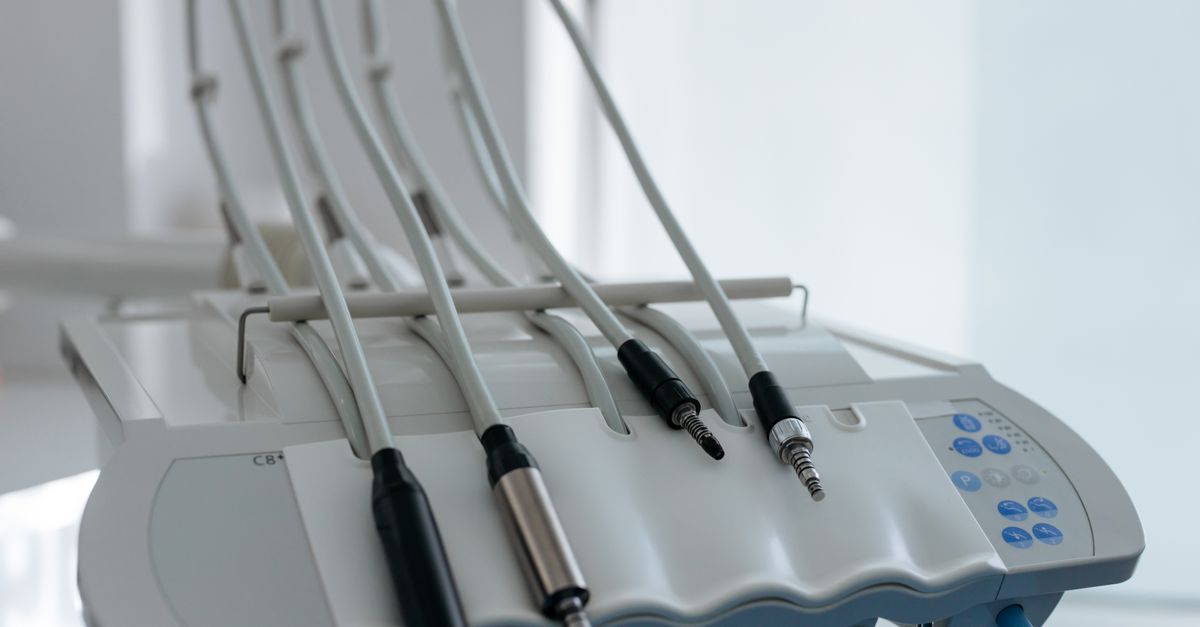
Laser dentistry is transforming patient experiences with reduced pain and faster recovery, making routine dental care more accessible.
The dental chair has long been a place of anxiety for many patients, but recent innovations in laser dentistry are transforming this experience. By replacing traditional drills and scalpels with precise laser tools, dentists are not only reducing pain and discomfort but also improving recovery times.
The Science Behind Laser Dentistry
At the heart of laser dentistry is the use of focused light beams to perform various dental procedures. These lasers, which vary in wavelength, can be tailored to treat specific dental issues such as tooth decay, gum disease, and even teeth whitening. The precision of lasers allows dentists to target specific areas with minimal impact on surrounding tissues, thus reducing the need for anesthesia and decreasing recovery time.
Innovative Applications in Dental Care
Lasers are being utilized in several innovative ways within dental practices. For cavity treatment, lasers can remove decay while preserving more of the healthy tooth structure compared to traditional methods. This not only maintains the integrity of the tooth but also enhances its longevity.
In the realm of periodontal care, laser therapy offers a minimally invasive option to treat gum disease. By targeting and removing infected tissue and bacteria, lasers promote quicker healing and less postoperative pain. This approach is particularly beneficial for patients who are apprehensive about traditional gum surgery.
Additionally, laser technology is making strides in cosmetic dentistry. Lasers can efficiently reshape gums, remove benign tumors, and even assist in the accurate placement of fillings. Teeth whitening procedures have also been significantly improved with laser assistance, providing faster and more uniform results.
Benefits Over Traditional Methods
The advantages of laser dentistry are numerous, starting with patient comfort. Many patients report a more pleasant experience with lasers due to the absence of the noise and vibration associated with drills. This reduction in sensory discomfort can make regular dental check-ups less intimidating.
Moreover, the precision of laser treatments means less damage to surrounding tissues, which translates to faster healing and reduced risk of infection. This is particularly important for patients with medical conditions that affect healing, such as diabetes.
Lasers also offer potential cost benefits. While the initial investment in laser technology can be high, the efficiency and reduced need for anesthesia can lower overall treatment costs and time spent in the dental office.
Challenges and Future Directions
Despite the clear advantages, laser dentistry is not without its challenges. The cost of acquiring and maintaining laser equipment can be prohibitive for smaller practices. Additionally, not all dental procedures are suitable for laser treatment, which means traditional methods still have their place.
Training and education are crucial as well. Dentists must undergo specialized training to effectively and safely use laser technology. This requirement adds an additional layer of complexity to adopting these innovations widely.
Looking forward, ongoing research and development are expected to expand the capabilities of laser dentistry further. As technology advances, new laser options may become more affordable and versatile, potentially making laser procedures a standard in dental care.
In the words of Dr. Jane Smith, a leading expert in dental laser applications, "We are only scratching the surface of what lasers can do in dentistry. The future holds immense possibilities that could redefine oral health care standards."