
Las Vegas Faces Growing Shortage of Primary Care Physicians
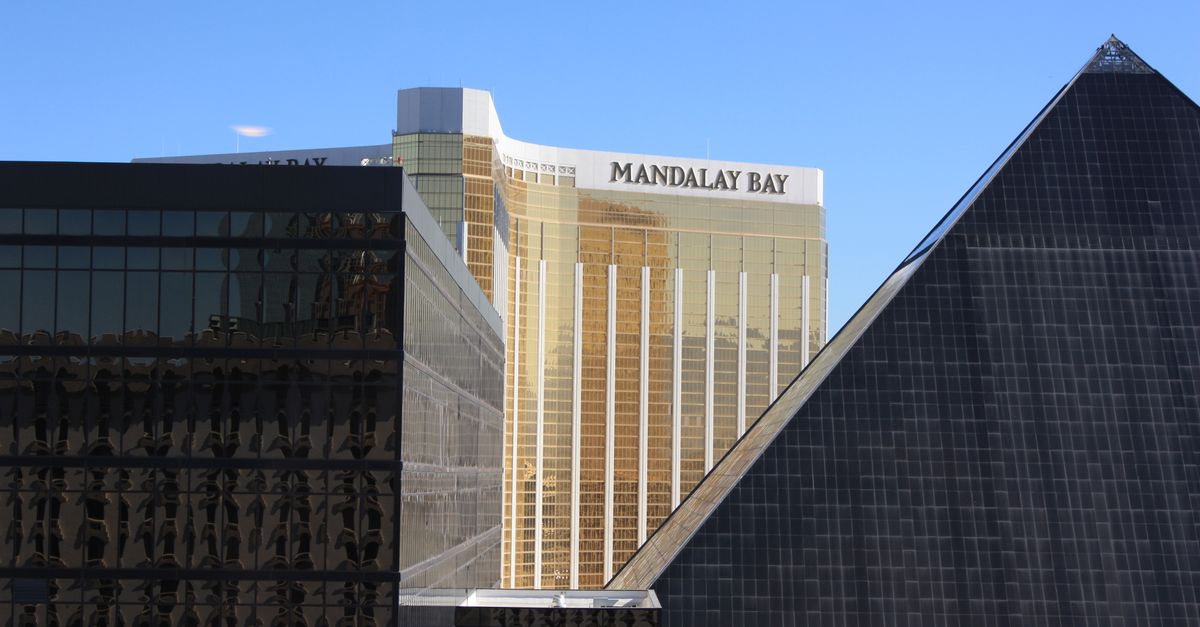
Las Vegas is grappling with a shortage of primary care physicians as demand outpaces supply, posing challenges for patient access and healthcare outcomes.
Las Vegas, renowned for its bustling nightlife and thriving entertainment industry, is confronting a less glamorous reality: a significant shortage of primary care physicians. This scarcity is more than a local issue; it is a microcosm of a broader national problem that could have serious implications for patient care and healthcare costs.
Why the Shortage is Worsening
The shortage of primary care physicians in Las Vegas has been driven by a confluence of factors. According to the Association of American Medical Colleges (AAMC), the U.S. could see a shortfall of up to 55,200 primary care doctors by 2032. Las Vegas, with its rapidly growing population, is already feeling the pinch. The city's expansion, fueled by new residents and an influx of tourists, has outpaced the growth of its healthcare infrastructure.
Compounding this issue is the fact that Nevada ranks among the lowest in the nation for the number of doctors per capita. The state's medical schools struggle to retain graduates, many of whom leave for better opportunities elsewhere. Additionally, the aging physician workforce means many will retire soon, exacerbating the shortage.
Impact on Patient Care and Access
The shortage is not just an inconvenience; it has tangible effects on healthcare delivery. Patients in Las Vegas often face long wait times for appointments, sometimes waiting weeks or even months. This delay can lead to worsening health conditions, especially for those with chronic diseases who require regular monitoring.
The shortage also puts a strain on emergency departments, which become the default option for many seeking immediate care. This not only increases healthcare costs but also burdens emergency facilities, which are not equipped to provide ongoing primary care.
Efforts to Alleviate the Crisis
Addressing the shortage requires a multi-faceted approach. Local institutions, such as the University of Nevada, Las Vegas School of Medicine, are working to expand their programs and retain more graduates in the area. Efforts include offering incentives such as loan repayment programs and competitive salaries to attract and keep medical professionals.
Furthermore, telemedicine has emerged as a promising solution. By using technology to bridge the gap, patients can receive consultations remotely, alleviating some of the pressure on local physicians. This method, however, requires robust internet infrastructure and patient willingness to adopt new technologies.
Federal and State Policy Implications
On a policy level, both state and federal governments are exploring solutions. The Nevada legislature is considering measures to streamline licensing processes for out-of-state doctors, making it easier to practice in Nevada and thus increase the physician pool. Federally, programs like the National Health Service Corps offer scholarships and loan repayment for doctors who serve in underserved areas, including Las Vegas.
Medicare and Medicaid reimbursement rates also play a crucial role. Increasing these rates could make primary care more financially viable and attractive to practitioners. However, balancing budgets and resources remains a challenge for policymakers.
The shortage of primary care physicians in Las Vegas highlights the urgent need for comprehensive strategies to ensure that healthcare access keeps pace with the city's growth. As stakeholders at every level—from local medical schools to federal agencies—work toward solutions, the future of Las Vegas' healthcare landscape hinges on effective collaboration and innovation.