
Las Vegas and the Rise of Healthcare Tourism
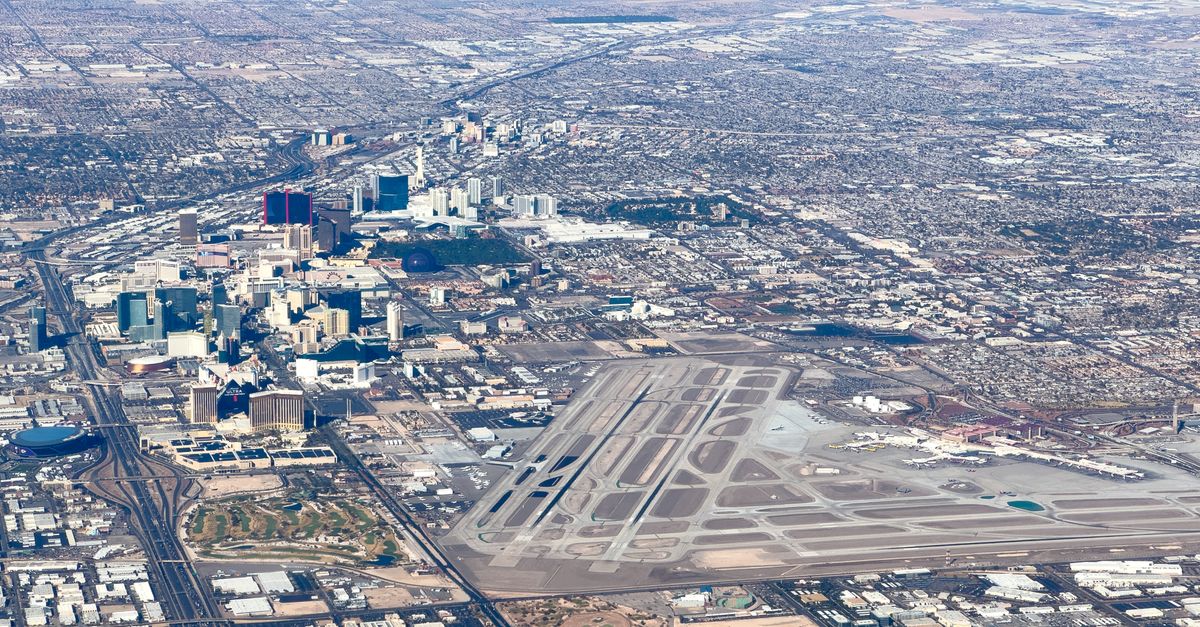
Las Vegas is emerging as a hub for healthcare tourism, attracting visitors seeking medical services amidst its vibrant offerings.
Las Vegas is known worldwide for its casinos, entertainment, and vibrant nightlife. However, in recent years, it has increasingly become a destination for healthcare tourism. This shift is driven by a combination of factors, including the city's hospitality infrastructure, competitive pricing, and a growing reputation for high-quality medical services.
The Allure of Las Vegas Hospitals
Las Vegas is home to several state-of-the-art medical facilities that are attracting patients both domestically and internationally. Hospitals such as the Cleveland Clinic Lou Ruvo Center for Brain Health and the Sunrise Hospital and Medical Center are noted for their advanced treatment options and specialized care. These institutions offer services ranging from elective cosmetic surgeries to complex neurological procedures, drawing patients who seek both medical expertise and the opportunity to recuperate in a city known for its luxury accommodations.
Cost Advantages and Insurance Dynamics
One of the primary drivers for healthcare tourism to Las Vegas is cost. Medical procedures in this city can be significantly more affordable than in other parts of the United States, especially for uninsured or underinsured patients. Las Vegas hospitals often offer package deals that include treatment, accommodations, and post-operative care, which can result in substantial savings. Moreover, some facilities are beginning to accept international insurance, expanding their reach to a global clientele.
For domestic patients, the dynamics of insurance coverage can also be favorable. Some procedures that might not be fully covered in other states due to high costs may be more accessible in Las Vegas. This is particularly relevant for elective surgeries, which are often out-of-pocket expenses. The Affordable Care Act (ACA) has made strides in expanding coverage, but gaps remain that Las Vegas healthcare providers are keen to fill by offering competitive pricing and flexible payment options.
Regulatory and Quality Considerations
In the United States, medical facilities must adhere to strict regulations set by entities such as the FDA and the CMS to ensure patient safety and care quality. Las Vegas hospitals are no exception, meeting these standards while also striving to exceed expectations through innovative care models and patient-centric services. The Nevada Department of Health and Human Services plays a crucial role in overseeing these facilities, ensuring they maintain the highest levels of care.
Furthermore, many Las Vegas hospitals have sought accreditation from international bodies, such as the Joint Commission International, to enhance their credibility and appeal to a broader audience. This move not only assures patients of the quality of care but also aligns with global standards, making Las Vegas a competitive player in the healthcare tourism market.
The Influence of Technology and Innovation
Technology has been a significant factor in the growth of healthcare tourism in Las Vegas. The city's healthcare providers are integrating advanced technologies such as telemedicine, electronic health records, and robotic surgeries to improve patient outcomes and streamline operations. These innovations are particularly appealing to tech-savvy patients who prioritize convenience and cutting-edge treatments.
Moreover, Las Vegas's proximity to tech hubs like Silicon Valley has facilitated collaborations that bring new technologies into the healthcare space. The adoption of these technologies not only enhances the patient experience but also positions Las Vegas as a forward-thinking destination for healthcare.
As healthcare tourism continues to grow, Las Vegas is poised to expand its offerings further, leveraging its unique position as a tourist destination while continually improving its medical services. "Las Vegas is not just a place to play; it's a place to heal," said a spokesperson from the Nevada Division of Tourism. This sentiment encapsulates the city's evolving identity as a hub for both entertainment and healthcare excellence.