
Lakshadweep Government Healthcare Schemes and Island Health Services
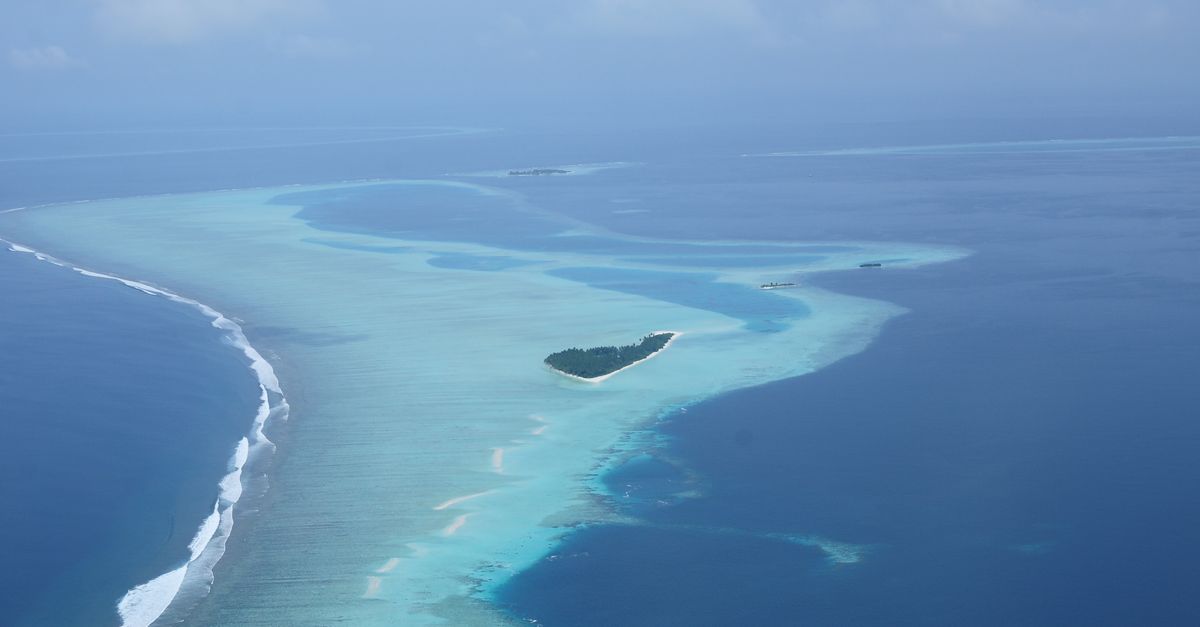
Lakshadweep's healthcare schemes aim to enhance island health services.
Comprehensive Overview of Lakshadweep's Healthcare Initiatives
Lakshadweep, a picturesque archipelago off the southwestern coast of India, boasts a unique healthcare landscape tailored to its limited but diverse population. With an aim to address the unique challenges posed by its geographic isolation and limited resources, the government has implemented a series of healthcare schemes designed to improve health outcomes across the islands. This article explores the various initiatives undertaken by the Lakshadweep government to enhance healthcare accessibility and quality for its residents.
The foremost initiative in Lakshadweep's healthcare strategy is the establishment of a robust network of primary healthcare centers. These centers serve as the first point of contact for residents, providing essential services ranging from maternal health to immunization programs. The government has also launched schemes to enhance the capacity of these facilities by providing training programs for healthcare workers and investing in medical equipment. This comprehensive approach aims to not only address immediate healthcare needs but also to build long-term resilience within the community.
In addition to primary care, specialized programs have been introduced focusing on the prevention and management of chronic diseases, which are becoming increasingly prevalent in the region. The Integrated Disease Surveillance Program (IDSP) has been instrumental in monitoring health trends and identifying outbreaks early, ensuring that healthcare providers can respond promptly. Furthermore, initiatives like telemedicine have been explored to bridge the gap between expert healthcare services and remote island populations, enhancing the overall quality of care available to residents.
Evaluating Health Services Accessibility Across the Islands
Accessibility to healthcare services in Lakshadweep remains a multifaceted issue. Despite the government's efforts to enhance healthcare infrastructure, geographical barriers often hinder residents from receiving timely medical attention. The islands are scattered over a vast expanse of sea, making transportation a significant challenge. To mitigate this, the government has introduced boat services specifically for medical emergencies, designed to expedite the transfer of patients to larger hospitals located on the main islands.
Moreover, the government has recognized the importance of community involvement in health service delivery. Local health workers are being trained to perform basic medical procedures and educate residents about preventive measures. This grassroots approach not only empowers the community but also fosters trust between healthcare providers and patients. By integrating local knowledge and cultural practices, these initiatives aim to bolster the effectiveness of healthcare services and ensure that they are tailored to the specific needs of island residents.
While strides have been made in increasing availability, issues such as staff shortages and the need for continuous professional development still pose challenges. Efforts are underway to attract and retain qualified healthcare professionals in Lakshadweep, but the remote setting often deters potential candidates. The government is exploring various strategies, including attractive incentive packages and ongoing training opportunities, to mitigate these challenges and ensure that health services remain robust and responsive to the community's needs.
In conclusion, Lakshadweep's government healthcare schemes and island health services represent a significant effort to address the unique challenges of providing healthcare in an isolated environment. Through a combination of improved infrastructure, community engagement, and innovative solutions, the government is paving the way for a healthier future for its residents. However, continuous efforts are necessary to overcome existing barriers and enhance the overall accessibility and quality of healthcare services across the islands. As the situation evolves, it is essential for stakeholders to remain committed to collaborative solutions that address both immediate and long-term health needs in Lakshadweep.