
Ladakh Government Healthcare Schemes and Public Health Insurance Coverage
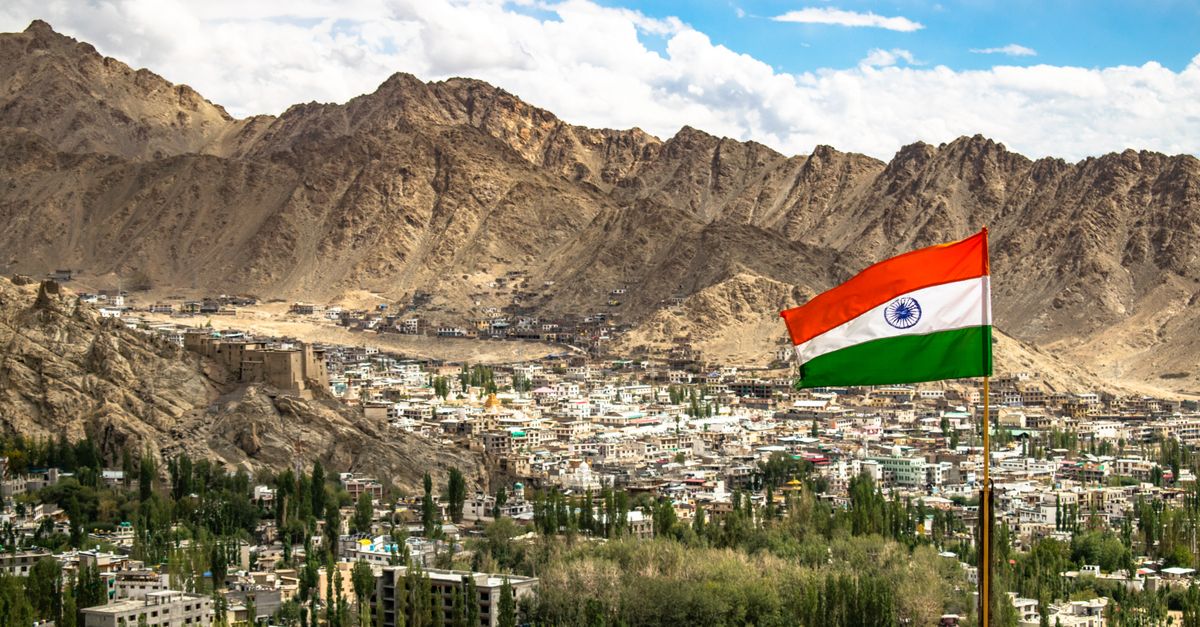
Ladakh's healthcare schemes aim to enhance public health access.
Ladakh, a region known for its stunning landscapes and rich cultural heritage, faces unique challenges in healthcare delivery due to its geographical isolation and rugged terrain. In response, the local government has implemented several healthcare schemes aimed at improving the health and well-being of its residents. This article explores the innovative healthcare initiatives launched by the Ladakh government and examines the public health insurance coverage available to its inhabitants, highlighting efforts to ensure equitable access to healthcare services.
Exploring Ladakh's Innovative Healthcare Schemes for Residents
The Ladakh government has rolled out several healthcare schemes designed to address the specific health needs of its diverse population. One noteworthy initiative is the Ladakh Health Mission, which aims to strengthen healthcare infrastructure and enhance the quality of medical services across the Union Territory. This mission focuses on establishing new healthcare facilities, upgrading existing hospitals, and training healthcare professionals to meet the demands of the local population. By investing in these areas, the government seeks to provide timely and effective medical services to residents, including remote and underserved communities.
Another significant scheme is the 'Ayushman Bharat – Pradhan Mantri Jan Arogya Yojana' (AB-PMJAY), which has been adapted to suit the unique needs of Ladakh. This health insurance scheme offers comprehensive coverage to economically disadvantaged families, ensuring they receive essential healthcare services without financial burden. Under this program, beneficiaries can access secondary and tertiary healthcare facilities, including surgeries and treatments that are often unaffordable for low-income households. This initiative not only aims to reduce out-of-pocket expenses but also encourages more residents to seek necessary medical care promptly.
In addition to state-sponsored initiatives, the Ladakh government has also emphasized the importance of preventive healthcare and awareness campaigns. Programs focusing on maternal and child health, immunization drives, and health education are integral to improving overall health outcomes within the region. By fostering a culture of health awareness, the government hopes to empower communities to take charge of their health, leading to increased utilization of existing healthcare services and ultimately reducing the burden on hospitals and clinics.
Understanding Public Health Insurance Coverage in Ladakh
Public health insurance coverage in Ladakh is primarily facilitated through the Ayushman Bharat scheme, which aims to provide free and cashless healthcare to eligible families. This scheme is particularly significant in a region where many residents face financial hardships that can limit their access to essential medical services. The insurance covers a wide range of services, including hospitalization, diagnostic tests, and treatment for various health conditions, thereby alleviating some of the financial pressures associated with healthcare costs.
Furthermore, the Ladakh government has been working to increase awareness and enrollment into these health insurance schemes. Community outreach programs are organized to educate residents about the benefits of public health insurance and the processes involved in availing themselves of these services. By promoting understanding and accessibility, the government aims to ensure that more families can benefit from financial protections against high medical expenses, which is critical in a region where healthcare facilities may be limited and travel for treatment can be both costly and time-consuming.
Despite these efforts, challenges remain in reaching the most vulnerable populations in remote areas. Issues such as limited internet connectivity, lack of awareness, and traditional beliefs about healthcare often hinder enrollment and utilization of public health insurance. To address these barriers, the Ladakh government is exploring partnerships with local organizations and community leaders to facilitate better outreach and support. By leveraging local knowledge and relationships, the government hopes to create a more inclusive healthcare environment where all residents, regardless of their circumstances, can access essential medical services without financial strain.
In conclusion, the healthcare landscape in Ladakh is evolving, with the government taking decisive steps to improve access to medical services through innovative schemes and public health insurance coverage. While challenges remain, ongoing efforts to enhance healthcare infrastructure and raise awareness of available resources are vital for ensuring the well-being of the region's residents. As Ladakh continues to navigate the complexities of healthcare delivery in its unique setting, the commitment to equitable access for all remains a guiding principle. The success of these initiatives will ultimately depend on the collaboration between the government, local communities, and healthcare providers, creating a healthier future for Ladakh.