
Lab-on-a-Chip Devices: Revolutionizing Medical Diagnostics
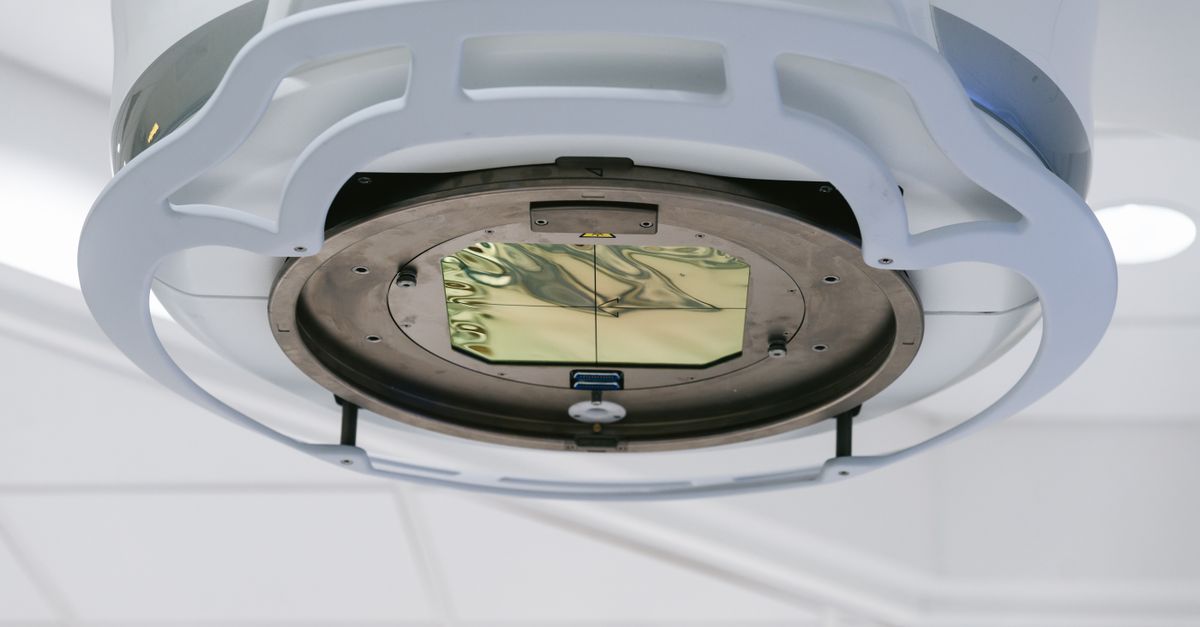
Lab-on-a-chip devices are transforming diagnostics by enabling rapid, accurate tests using miniature technology.
In recent years, the healthcare industry has witnessed a surge in the development and adoption of lab-on-a-chip (LOC) devices. These miniature devices are revolutionizing the field of medical diagnostics by enabling rapid and accurate testing at a fraction of the cost and time associated with traditional laboratory methods. As the healthcare sector grapples with the demand for quicker diagnostics, LOC technology stands out as a promising solution.
What Lab-on-a-Chip Technology Entails
Lab-on-a-chip technology integrates multiple laboratory functions on a single microchip just a few millimeters to a few square centimeters in size. These devices utilize microfluidics, a technology that manipulates small volumes of fluids, typically on the micron scale, to perform complex biochemical reactions and analyses. The ability to condense laboratory processes onto a chip not only improves efficiency but also reduces the need for bulky equipment and large sample volumes.
Applications Transforming Diagnostics
LOC devices have found applications across various domains of healthcare, notably in infectious disease testing, cancer screening, and genetic analysis. For instance, during the COVID-19 pandemic, LOC devices played a critical role in enabling rapid testing, facilitating timely intervention and control measures. In oncology, these devices assist in the early detection of cancers by analyzing biomarkers with high precision. Genetic testing, which once required extensive laboratory resources, is now more accessible due to LOC technology, allowing for personalized medicine approaches.
Advantages Over Traditional Methods
The primary advantage of lab-on-a-chip devices lies in their portability and speed. Traditional laboratory tests often require several days to return results, whereas LOC devices can provide results in minutes or hours. This rapid turnaround is especially crucial in emergency settings and remote areas where laboratory facilities may be limited. Additionally, the reduced sample size required for LOC devices minimizes patient discomfort and the risk of sample degradation.
Moreover, the cost-effectiveness of LOC technology cannot be overstated. As healthcare systems worldwide face budget constraints, LOC devices offer a financially viable alternative without compromising diagnostic accuracy. By reducing the need for costly reagents and equipment, these devices have the potential to significantly lower healthcare costs.
Challenges in Widespread Adoption
Despite their advantages, there are challenges to the widespread adoption of lab-on-a-chip devices. One of the main hurdles is the integration of LOC technology into existing healthcare infrastructure. Many healthcare providers are accustomed to traditional laboratory practices, and the transition to LOC-based diagnostics requires training and a shift in protocols.
Regulatory hurdles also pose a challenge. LOC devices must meet stringent regulatory standards to ensure safety and efficacy, which can delay their entry into the market. Furthermore, the miniaturization of laboratory processes while maintaining accuracy and reliability is a complex engineering challenge that requires ongoing research and development.
The Future of Lab-on-a-Chip Technology
Looking ahead, the future of lab-on-a-chip technology appears promising. Advances in materials science and engineering are likely to enhance the capabilities of these devices, making them even more versatile and reliable. Researchers are exploring the integration of artificial intelligence with LOC technology to improve diagnostic accuracy and expand the scope of their applications.
As LOC devices continue to evolve, they hold the potential to democratize access to high-quality diagnostics globally. By bringing laboratory testing closer to the point of care, these devices could transform healthcare delivery, particularly in resource-limited settings. "In the near future, we envision a world where lab-on-a-chip devices are as commonplace as stethoscopes," says Dr. Emily Carter, a leading researcher in the field. This optimistic outlook underscores the transformative potential of lab-on-a-chip technology in reshaping the landscape of medical diagnostics.