
Korba Healthcare: Tackling Respiratory Risks in Power and Mining
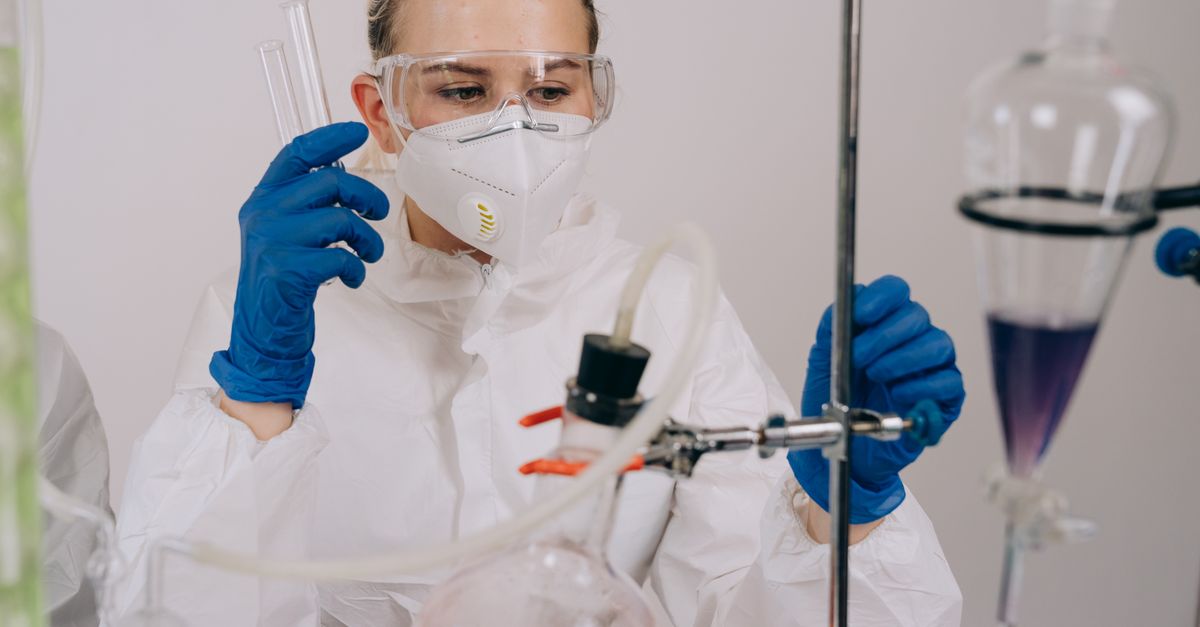
Korba's power and mining sectors face significant occupational health challenges, particularly in respiratory health due to dust and emissions.
Korba, the industrial hub in Chhattisgarh, India, known for its power plants and mining activities, grapples with occupational health challenges that are as large as its coal reserves. Workers in these industries are exposed to significant respiratory risks, driven by the pervasive dust and emissions inherent in power generation and mineral extraction processes.
Understanding the Respiratory Hazards
Within Korba's sprawling industrial landscape, the air often carries a mixture of pollutants, including coal dust, fly ash, and sulfur dioxide, all of which pose severe risks to respiratory health. According to recent studies, workers in these environments are at heightened risk for chronic respiratory conditions such as pneumoconiosis, chronic bronchitis, and even lung cancer.
The local healthcare infrastructure, while growing, struggles to keep pace with the demand for treatment of such conditions. The incidence of respiratory ailments among workers has prompted health experts to call for more stringent monitoring and improved protective measures.
Regulatory Measures and Their Gaps
The Indian government has established various occupational safety standards aiming to mitigate these risks, such as the Factories Act and the Mines Act, which mandate regular health check-ups and the provision of personal protective equipment (PPE). However, implementation remains inconsistent across many sites, partly due to inadequate enforcement and monitoring.
Despite these regulations, many workers report insufficient access to PPE and limited awareness of the hazards they face daily. This gap underscores the urgent need for both stricter enforcement of existing laws and the introduction of robust health education programs tailored to the unique challenges of Korba's industrial sectors.
The Role of Healthcare Providers
Local healthcare providers, including hospitals and clinics, play a critical role in managing and mitigating the impact of occupational health issues. These institutions are tasked with not only treating respiratory diseases but also conducting regular health assessments and providing educational outreach to workers.
Efforts by healthcare providers to establish mobile health units and community health programs have shown promise, yet they require more robust support and resources. Partnerships between industrial operators and healthcare providers could enhance these initiatives, ensuring that workers receive comprehensive care and preventive education.
Innovations in Occupational Health Monitoring
Technological innovations are beginning to offer new solutions for monitoring and reducing occupational health risks in Korba's industries. Wearable technology, such as smart helmets equipped with air quality sensors, can alert workers to dangerous conditions in real-time, allowing for immediate protective actions.
Moreover, data analytics can help identify patterns and hotspots of pollution exposure, guiding both preventive measures and policy adjustments. By embracing such technologies, Korba's industrial sectors could significantly improve their occupational health standards.
Looking Ahead: A Collaborative Approach
Addressing the occupational health challenges in Korba requires a multi-faceted approach involving government bodies, industry leaders, and healthcare providers. Only through collaborative efforts can the region hope to enhance worker safety and reduce the incidence of respiratory diseases.
As India's energy demands continue to grow, so too does the importance of ensuring that the workforce sustaining this growth is protected from the very risks inherent in their work environments. Emphasizing occupational health will not only improve worker well-being but also enhance productivity and sustainability in the long term.